
When Did the Concept of Terrorism Become Exclusively Negative?
Over the span of 125 years, the concept of terrorism changed its meaning from "almost acceptable" to "unacceptable" and "purely evil".

Over the span of 125 years, the concept of terrorism changed its meaning from "almost acceptable" to "unacceptable" and "purely evil".
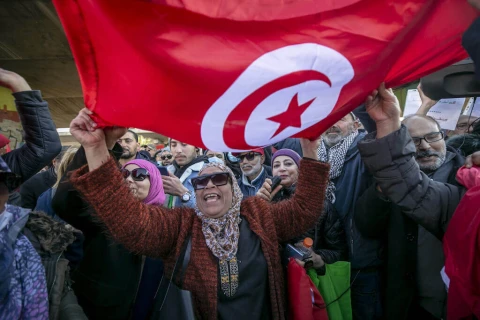
Yes, Tunisia is at a crossroads now. Autocracy is not the solution to the difficulties facing the consolidation of democracy in Tunisia.
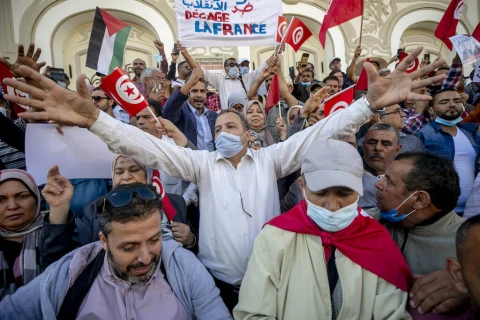
The Islamists' recent defeat in Morocco must not be viewed as a crisis in political Islam.
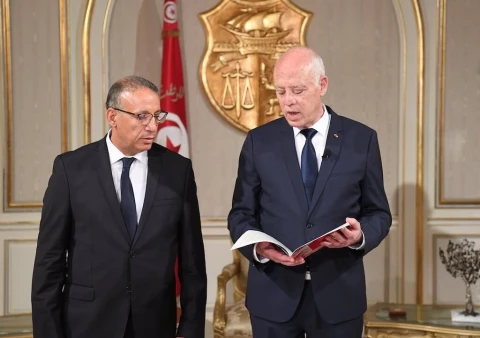
Unfortunately, I am pessimistic as I watch the events unfold in Tunisia. With regret, I feel that the chances of the coup succeeding are significantly greater than it failing.
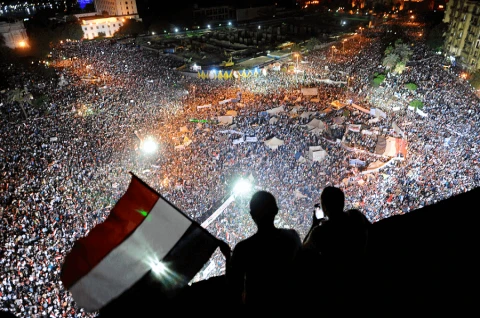
Undermined by its ideological and political contradictions, Islamism failed to emerge as the dominant force to take over the state following the Arab Spring.
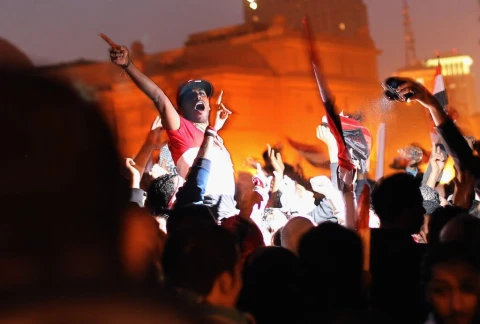
The Arab Spring had many messages, the most important of which was that the Arab people could hold their governments accountable.
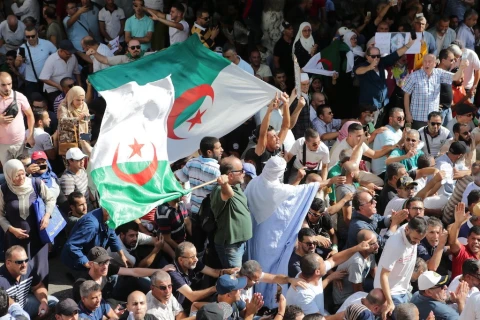
The Hirak in Algeria is not exclusive to the protests in the streets; every article, every meme, every tweet against the injustice of the system is part of the Hirak, and no system can ever keep all tongues tied.
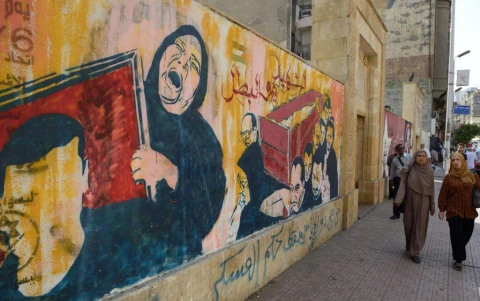
The Middle East has come to a point where the possibility of a violent conflict between powerful forces in the region is higher than ever.
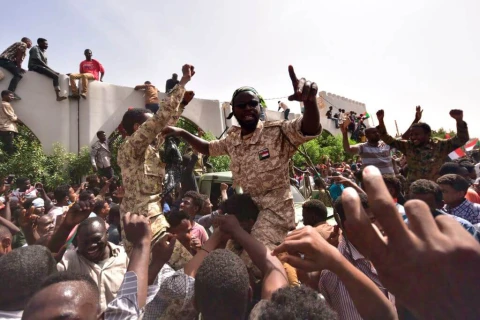
Although it’s been over 8 years since the beginning of the Arab revolutions, the developments in Sudan show that revolutionary appetite is still alive across the Middle East and the Arab world.
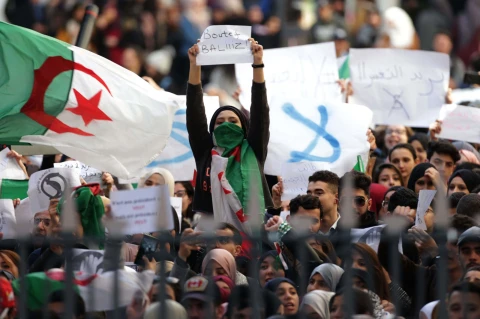
Ghost of Arab revolutions will continue to haunt the oppressive regimes in the Arab world, despite their counter-revolutionary attempts.
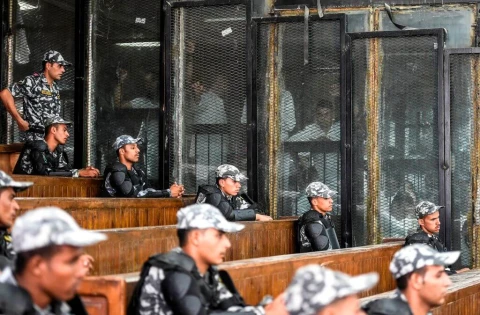
Since Sisi assumed power, the Egyptian judiciary has served to legitimate and facilitate the authoritarian rule. Other than a feigned opposition against the transfer of two islands - Sanafir and Tiran – to Saudi Arabia in 2016, the Egyptian judiciary has served as a channel through which Sisi presses his oppression.
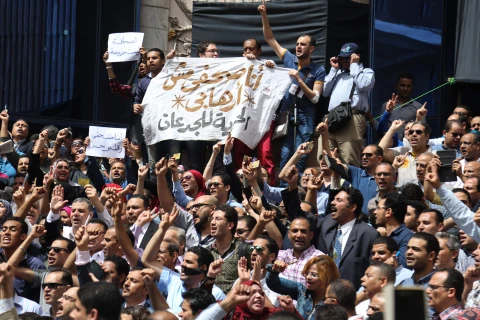
It may be misleading to state that the wave of regional transformation, which began in 2010, has come to an end despite the downward course of events in recent years. Many factors, both regional and international, have the potential to reactivate the wave of transformation in the Middle East.
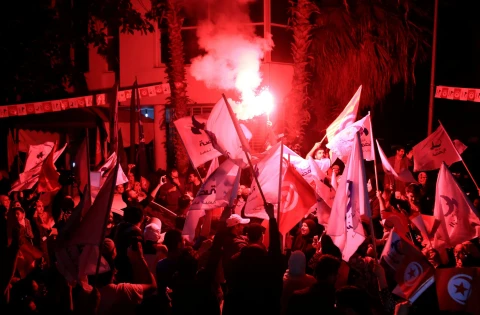
It is of great importance that Ennahda and other Tunisian political groups show a unified front against foreign intervention in order to maintain political stability and become a strong democracy.

Unlike other countries that experienced violence and instability during the wave of the Arab uprisings, Morocco has achieved relative stability. However, deteriorating economic conditions, the democratic demands of the youth and ethnic discrimination have contributed to widespread dissatisfaction among Moroccans against their long-standing regime.
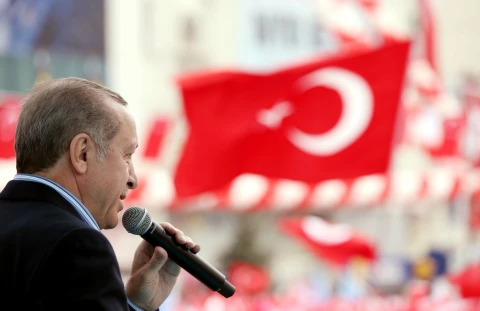
The Turkish model, offered by the Justice and Development Party (AK Party) after 2002, presents a political community of Muslims and non-Muslim peoples in a post-nation-state framework.
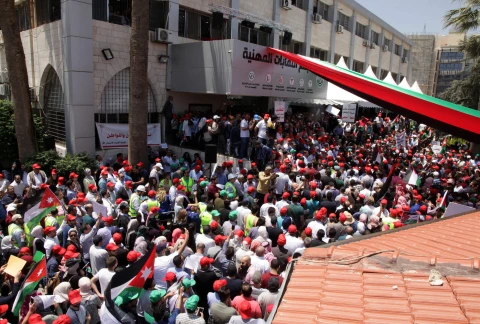
It can be predicted that Jordan will have to face more serious challenges in the coming period. Its economic problems will continue to exist as the country needs external support, the new political setting in the region will put more pressure on King Abdullah’s regime. As the region will focus more on the Palestinian issue, it will also bring Jordan on the spotlight in regional politics.
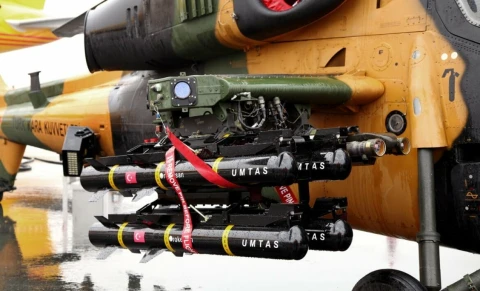
Turkey’s defense industry has been developing rapidly. At the very beginning of the 2000s, the country’s rate of dependency on foreign industrial suppliers was around 80%. It now is able to create weaponry and systems with its local resources.