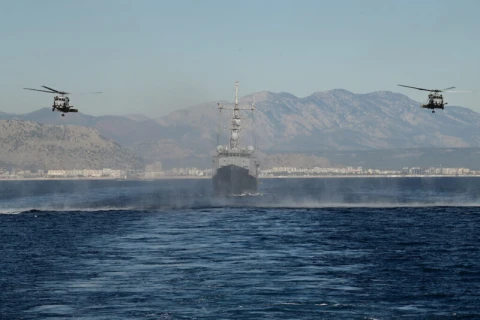
Back to Future in the Eastern Mediterranean: Polarization Once Again?
Ankara will remain calm, not allow itself to be tricked and provoked, strengthen its deterrence, and protect Türkiye’s and TRNC’s rights in Eastern Mediterranean.

Ankara will remain calm, not allow itself to be tricked and provoked, strengthen its deterrence, and protect Türkiye’s and TRNC’s rights in Eastern Mediterranean.
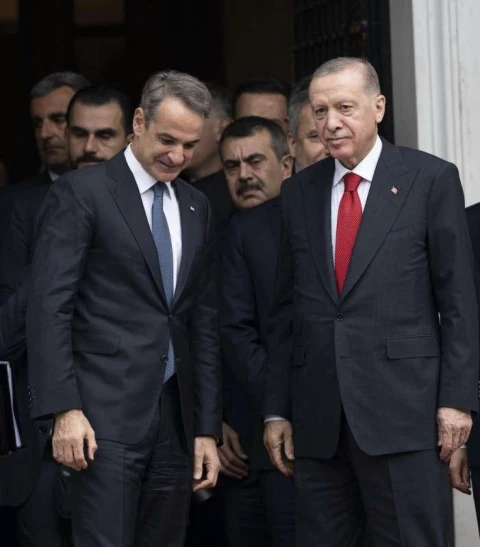
The deterioration of relations between Turkey and Greece, especially since 2016, has led to serious tensions over existing core issues in the Aegean.
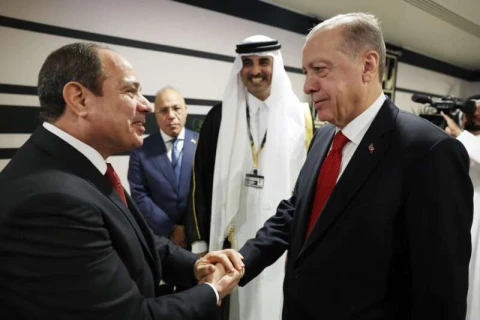
Despite strong signs of normalization between Turkey and Egypt, the challenges of the past are still there and threaten the prospect of normalization.
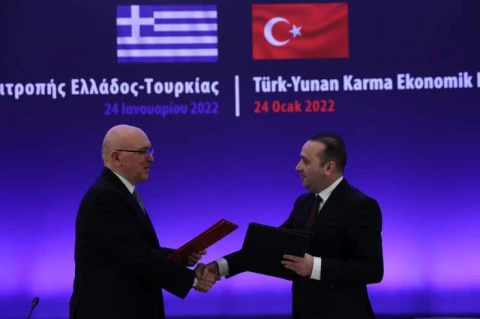
Footsteps of an upcoming alternative to Alexandroupolis in Turkish Thrace are heard as Putin announced a plan to turn Turkey into an energy hub for Europe.
The US abandoning of the EastMed Project may pave the way to negotiation and even collaboration in the Eastern Mediterranean.
In the last three years, one of Turkey’s most important advantages has been its natural gas exploration in the Eastern Mediterranean.
Geopolitical rivalry, not economic rationality, has become the main determinant of the limits of Eastern Mediterranean energy cooperation.
The most reliable route to transfer natural gas from Eastern Mediterranean to European markets go through Turkey. The success of any region-wide initiative to export natural gas resources from the Eastern Mediterranean to world markets is dependant on Turkey’s inclusion.
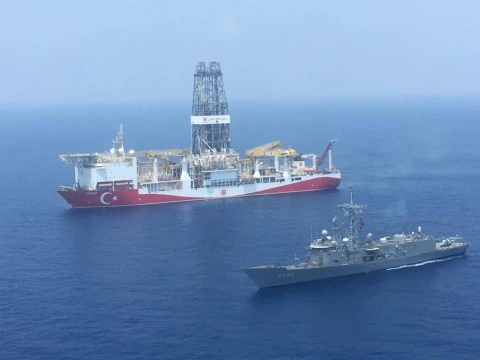
The sirens of Fatih and Yavuz are now ringing like alarm bells to awake those dreaming about ignoring Ankara and Nicosia in the Mediterranean, while the region is on the brink of a global-scale geopolitical fight.
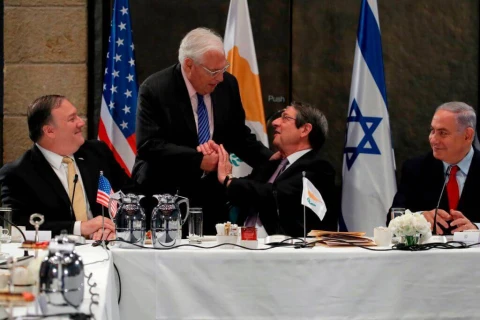
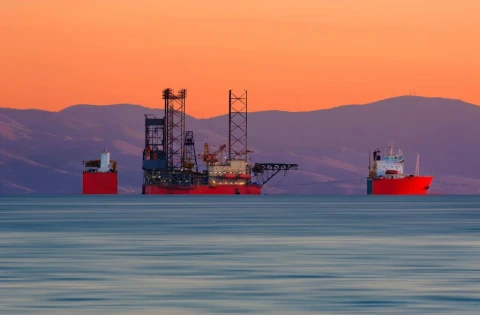
The most important subject for the Eastern Mediterranean today is the derivation of economic benefit from the resources of the region. Developments such as the discovery of new resources and increases in the natural gas potential of the basin are of course important, but without a market-ready transfer route built it is obvious that these countries will not have an effective role in ensuring their energy supply security.
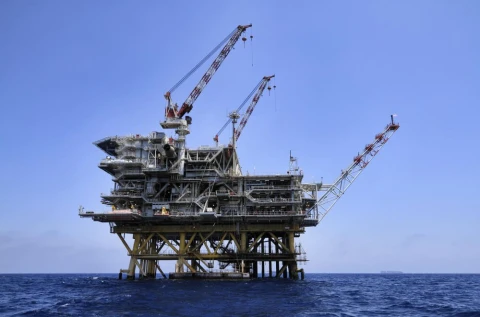
It is time for the U.S. to remember its commitment to Turkey within the framework of the NATO partnership and launch a more productive way of dialogue between Turkey and other relevant states in the eastern Mediterranean, including Israel.
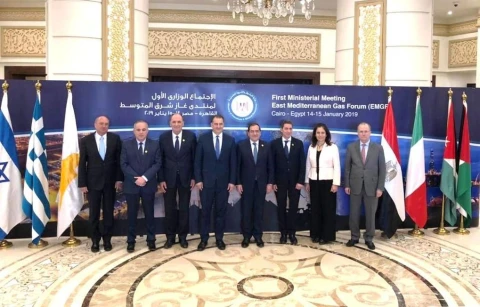
At the expense of the Turkish Cypriots, a group of seven European Union member states declared their support for the Greek Cypriot administration, amid controversial hydrocarbon exploration taking place off the island of Cyprus.