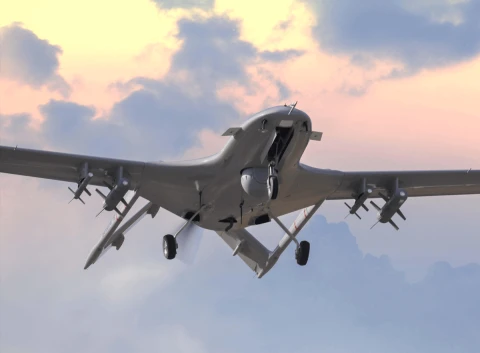
The Drone Warfare Revolution Has Arrived
The genie is out of the bottle as the technology to manufacture UCAVs spreads globally, signaling the dawn of drone warfare revolution that has arrived.

The genie is out of the bottle as the technology to manufacture UCAVs spreads globally, signaling the dawn of drone warfare revolution that has arrived.
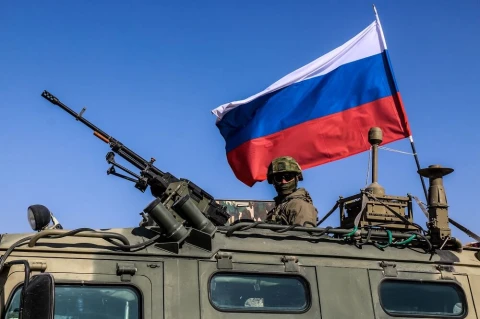
Turkey needs to change the balance of power in Idlib in its favor in order to have a stronger position in the tit-for-tat dynamic that Russia may try to create.
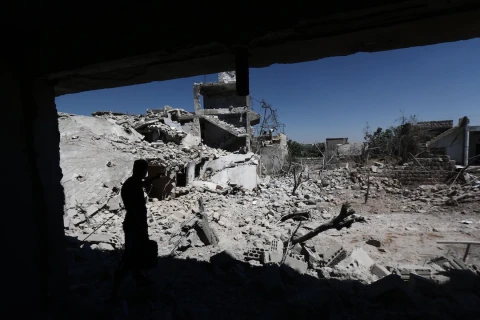
With the support of the EU states and the US, Turkey could convince Russia to establish a security belt in Idlib. Such a move would require Turkey to take control over a certain area in Idlib following the Euphrates Shield model.
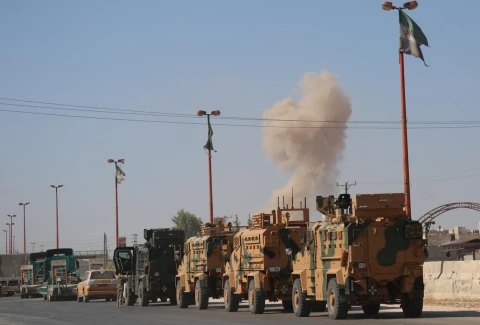
Assuming that no miracle will happen soon, the Turkish authorities need a new approach for Idlib. This should start with reaching an evacuation deal and securing the safety of trapped soldiers in Morek.
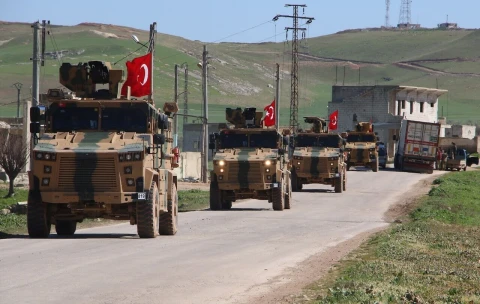
There seem to be four pathways for Turkey: Withdrawing, escalating, postponing or preventing. Each of which will have its own implications and risks.
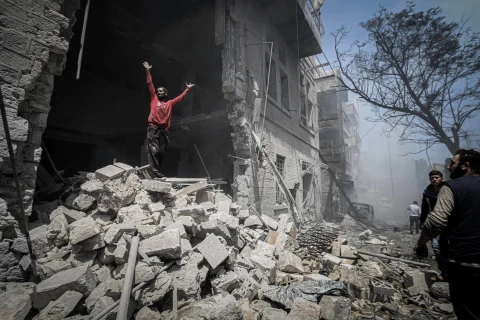
Idlib’s future has yet to be decided, but its current state could easily worsen. If the Assad regime attacks the city without restraint, a new state of chaos will erupt in northwestern Syria. Grave consequences will undoubtedly result.
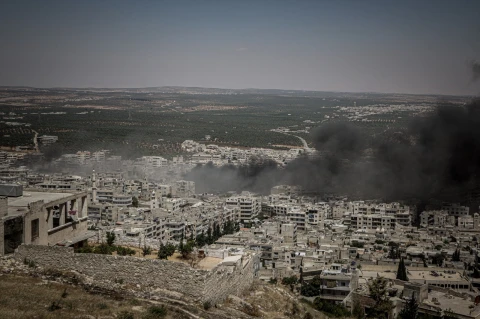
If Turkey and the Syrian opposition fail to stand firm, the political transition process towards peace in Syria might fail.
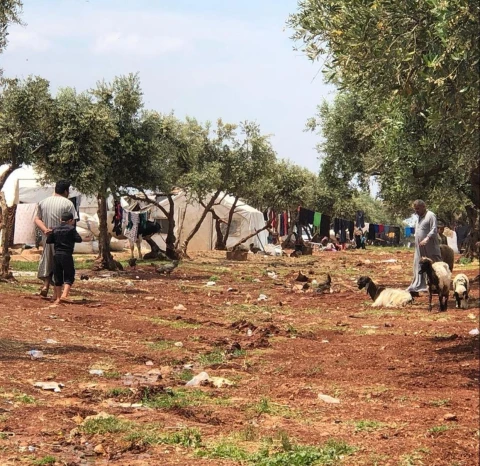
Eight months later, the Assad regime, backed by Russian air power, has conducted a ruthless aerial campaign which has forced over 200,000 people to flee their homes in less than a month. Meanwhile, 200 people have been killed, nearly all by indiscriminate shelling and aerial bombing.
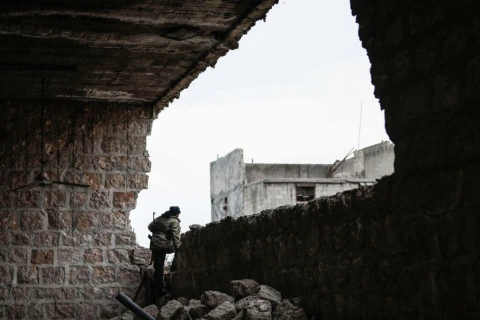
A weak cease-fire is likely but also open to the possibility of further escalation in the field. Each party will possibly use the military confrontation during political negotiations in Astana or Sochi.
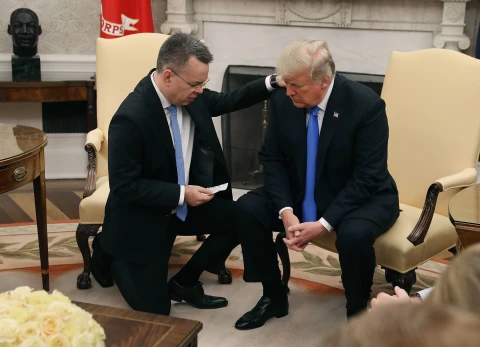
Brunson’s return to the U.S. and President Trump’s hosting of the pastor in the oval office with high level administration officials sends a strong message to the Evangelical base ahead of the midterm elections in November. Not that Trump risked losing the support of the Evangelicals, but Brunson’s return gives his standing with Evangelical supporters a big boost.
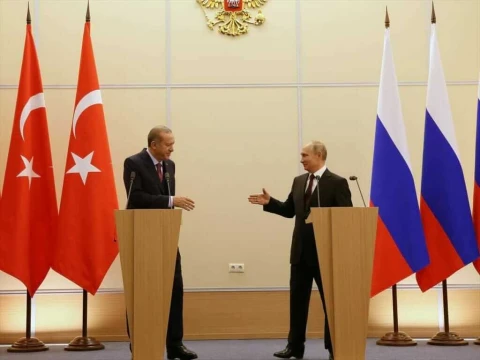
Turkish Ministry of National Defence announced that the withdrawal of heavy weapons from the demilitarized zone of Idlib was completed. The announcement underscored that “operations were ceaselessly underway to establish sustainable and enduring peace in Idlib within the framework of the consensus reached in Sochi.”
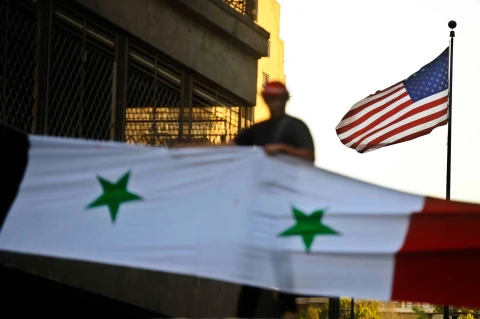
The U.S. policymakers in charge of the Syria policy would like to see Turkey enlisted on their side in their push back against Iran in the region and they must see an interest in alleviating at least some of the Turkish concerns
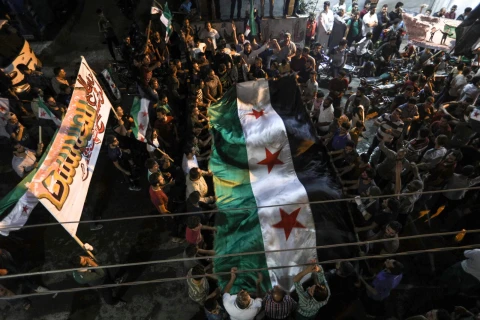
Turkey’s Idlib deal gave the rebels one more month to consider their options. It gave Turkey another month to make its preparations for the worst case scenario. It also presented another successful test for the Turkish-Russian cooperation in Syria.
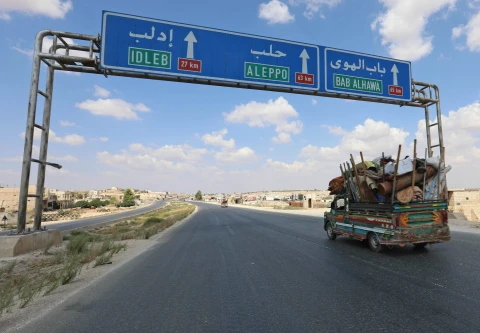
At this stage, the most important objective for Turkey is to solve the potential radicalization of the armed groups. If Turkey can deliver its objective, then it can keep its overall position in the Syrian civil war.
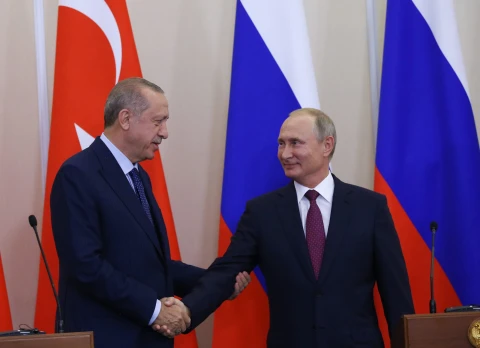
Turkey’s diplomatic success may have just saved thousands of innocent lives as well as yet another unnecessary humanitarian crisis. However, the Assad regime will certainly seek to take over Idlib eventually. If the Turkish-Russian deal succeeds, the opposition can survive and the contours of a future political deal can be based more on realities on the ground rather than the political goals of the Assad regime.
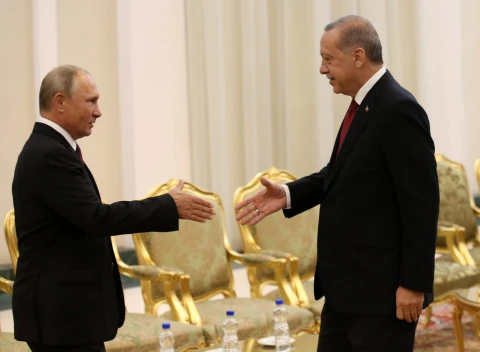
Turkey’s primary strategy in this game is to deter the Syrian regime from a brutal offensive while trying to find a middle ground with Russia and bringing the similar minded European powers closer to the game.
This is the right time for the international society to take real responsibility in order to overcome the already deepening Syrian crisis. The violent fall of Idlib will not bring an end to the Syrian Civil War, but Idlib can provide a tremendous opportunity for Russia and the international community to find a common ground for the future of Syria.
With the recent U.S. appointment of James Jeffrey, the new representative for engagement on Syria, there are signs that Washington might listen to and understand Ankara better, especially on its Syria policy.