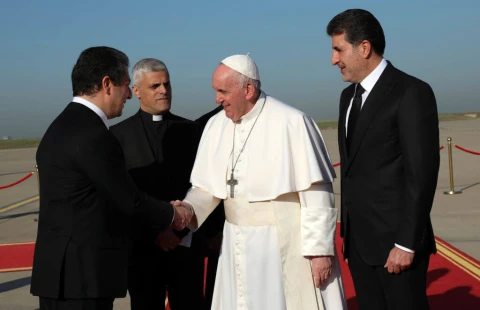
The Pope’s Visit to Iraq: How the KRG Tainted Its Message of Hope
Pope Francis tried to bring hope and a spirit of unity to the Middle East region but a stamp issued to mark the visit by the KRG sparked anger.

Pope Francis tried to bring hope and a spirit of unity to the Middle East region but a stamp issued to mark the visit by the KRG sparked anger.
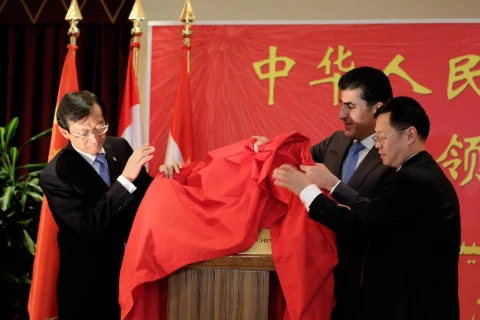
Chinese investments in Northern Iraq raise some questions. Is the devil is in the details?
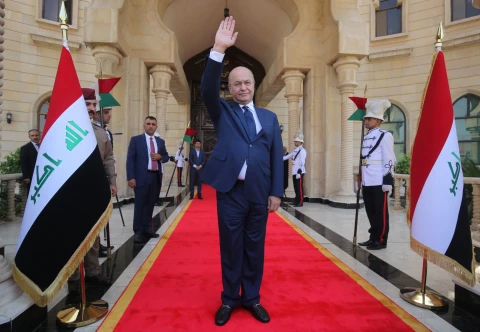
Recent developments in Iraq illustrate that the KDP and PUK will continue to dominate Iraqi politics. You can essentially read this as the Barzani and Talebani houses continuing their reign on this shaky settlement, a settlement found based on a delicate division of power in the region.
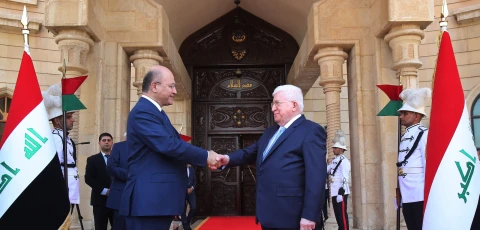
What will be Trump’s forthcoming strategy to contain Iran’s expansionist policy in the Middle East? If Trump’s policy is to make Iraq the theater for the first attempt to restrain Iran, as some policy analysts have suggested, then confrontation will be more probable.
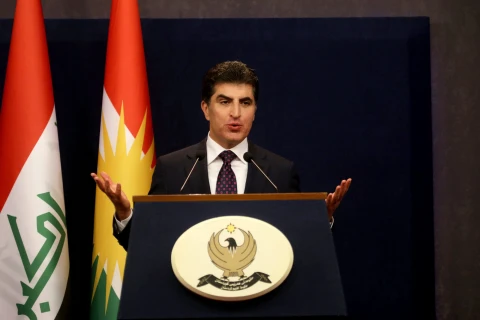
The KRG is also not happy with the presence of the PKK in its region. As PM Barzani stated 5 days before his official visit to Turkey, "The PKK uses KRG land it occupies as a base to attack Turkey."
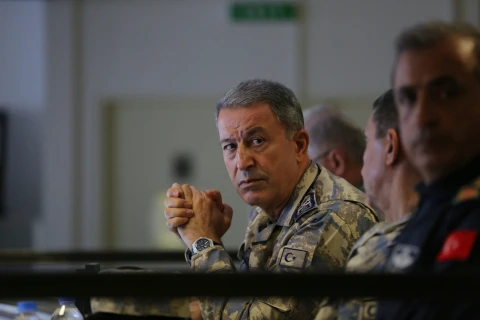
This is the first comprehensive counter-terror operation against the PKK. This time, the military strategy is not only targeting to eliminate PKK terrorists but also aiming to clean and hold the territory where the PKK has any presence.
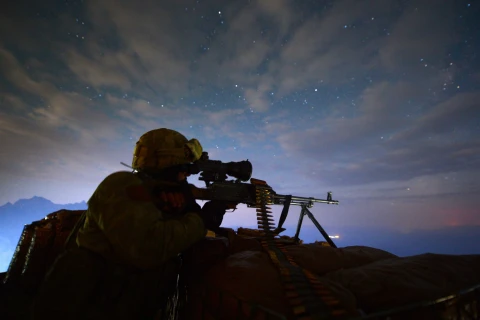
As a result of its alliance with the US, the PKK expanded territories it captured and began to consolidate its territorial control in the Middle East.
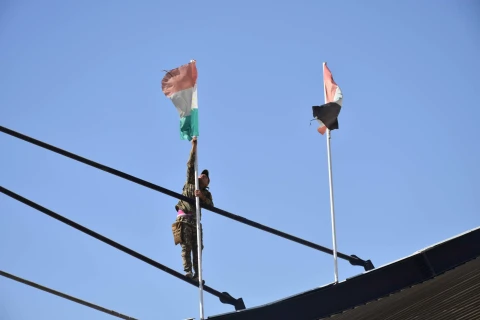
On November 6, Iraq’s Supreme Federal Court issued a decision that the country’s constitution which indicates the Republic of Iraq as “a single federal, independent and fully sovereign state” does not allow for the secession of any part of the country from the Iraqi state.
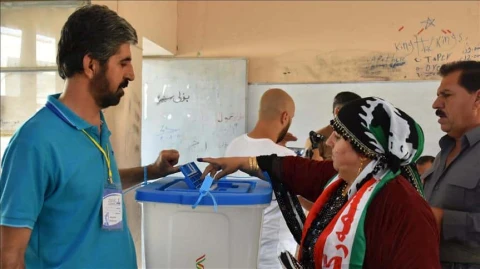
“Regardless of whatever decision the northern Iraqi administration takes, the point we reach today clearly shows that any decision they take would not bear any compensation for the damage they caused.”
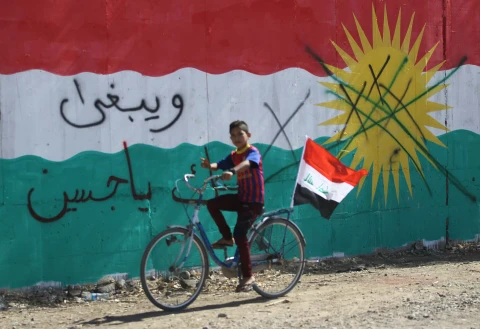
Being successful against Daesh, capturing Kirkuk within a day and being supported by regional and international actors, the Iraqi central government could be expected to launch new operations in the short and mid-term in order to gain control over the disputed territories.
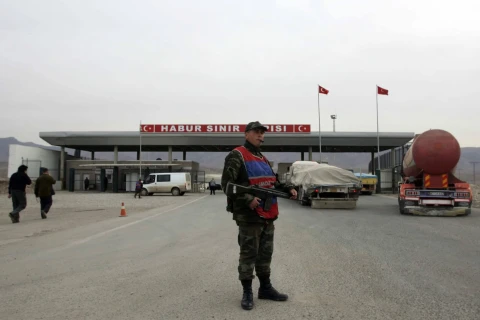
With the rights arising from the 1926 Treaty of Ankara, Turkey is expected to exercise pressure on the Iraqi central government and the KRG. Minimizing the activities of the Turkish Consulate General in Erbil and reducing the diplomatic relations with the KRG to minimum can also be expected.
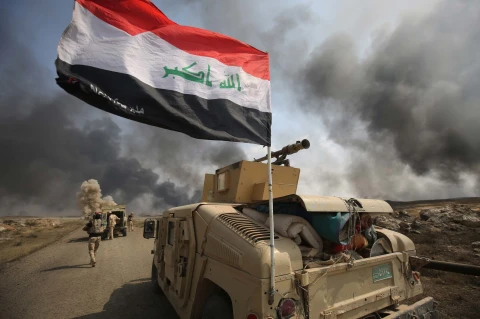
The PYD stated that they would be ready to perform their duty at a possible conflict in Kirkuk, which clearly illustrates that the PKK and the PYD wish to make room for themselves by taking advantage of a possible crisis in Iraq.
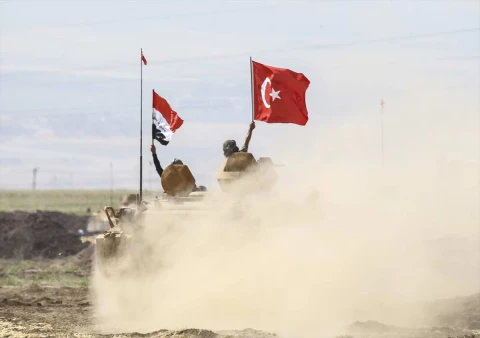
For Turkey, who accomplished a great deal in her fight against the PKK within domestic borders, it is unacceptable for this terrorist group, which seeks to find a de facto state in northern Syria with the support of the U.S., to enhance its influence towards northern Iraq.
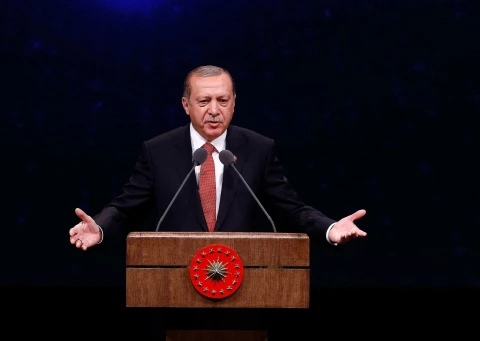
Referring to the British spy T.S. Lawrence, who was connected to the Arab revolt against the Ottoman Empire during the First World War, the President stated that “New Lawrences [of Arabia] will not succeed this time, I want you all to know that.”
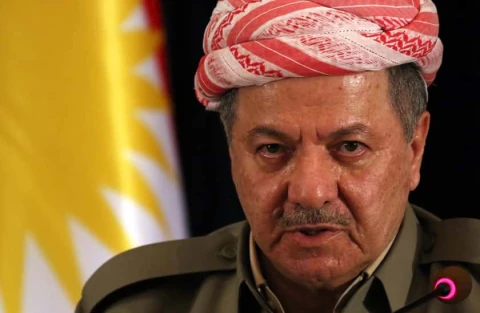
An independent Iraqi Kurdistan would probably lead to yet another round of conflict in Iraq’s never-ending civil war. In the absence of any international backing and legitimacy, the KRG leaders will need to think long and hard before declaring independence.
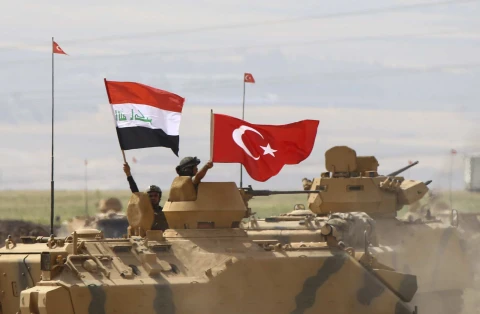
While Turkey had already started its military maneuvers in the southeastern Silopi region on September 18, a week ahead of the referendum, announcement of a joint exercise came after the vote took place.
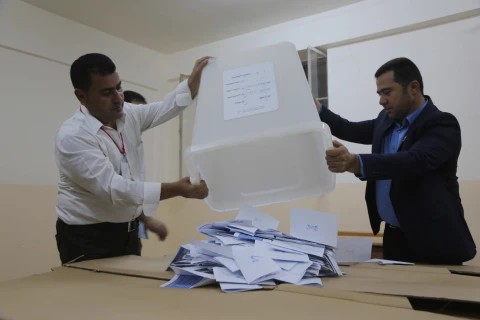
A statement released by his spokesman Stephane Dujarric, highlighted that Guterres “respects the sovereignty, territorial integrity and unity of Iraq” and recommends that all outstanding issues “be resolved through structured dialogue and constructive compromise.”
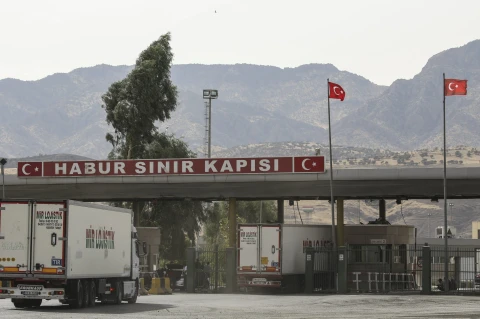
During a news conference in Tehran, Ministry spokesman Behram Qasimi said that “At the request of Iraq, we have closed the airspace and ground borders with the Kurdish Regional Government.”