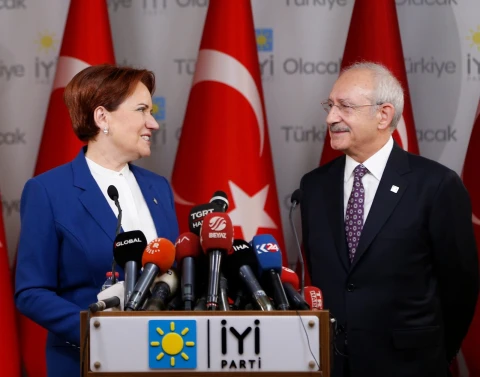
Is the Turkish Opposition Really an Alternative?
Despite the rising public displeasure with the existing ruling power, the opposition seems to fail to offer itself as an alternative in the elections.

Despite the rising public displeasure with the existing ruling power, the opposition seems to fail to offer itself as an alternative in the elections.

The AK Party is expected to reveal its candidate for Istanbul on Saturday.
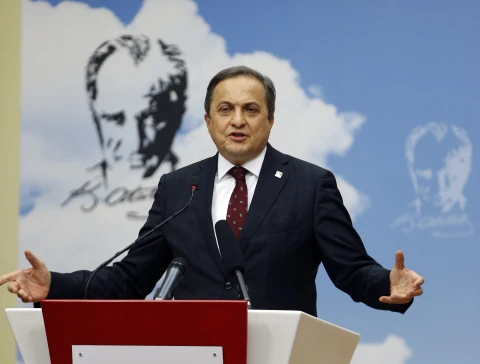
After the party assembly meeting for determining candidates for local elections yesterday, Seyit Torun – deputy head of the CHP – made a press conference and announced 67 candidates of the CHP.
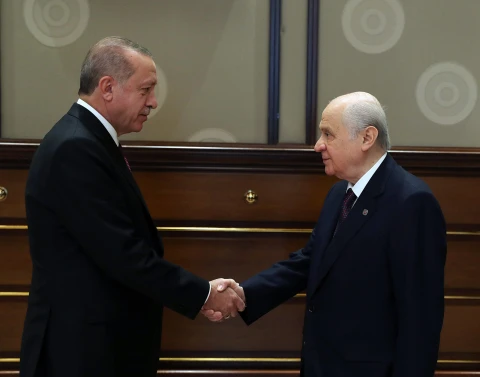
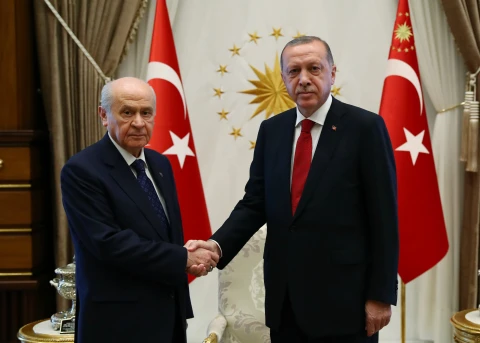
The leader of MHP, Devlet Bahceli, stated that the MHP would not nominate its own candidates in Istanbul, Ankara, and Izmir, the most critical provinces for the People’s Alliance, and that the MHP would support the AK Party candidates in these provinces. Thus, the People’s Alliance has once again emerged as a game changer in Turkish politics.
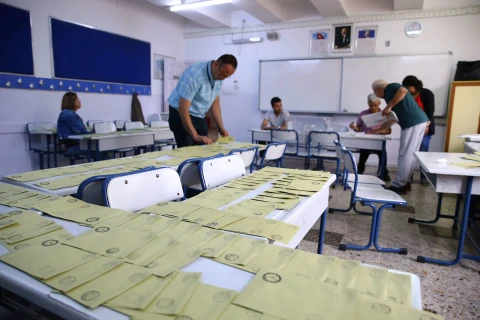
Change is expected in the AK Party candidate profiles that more than half the candidates will probably be new names. For Istanbul, the candidate of AK Party is finalized: Binali Yildirim - the former and last Prime Minister of the parliamentary system.
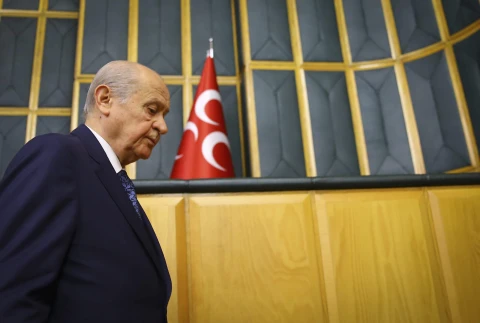
If the AK Party and the MHP are able to balance between “being rivals” in the local elections and “being partners” in the parliament, the People’s Alliance will continue to contribute to the solution of Turkey’s serious problems in the future.
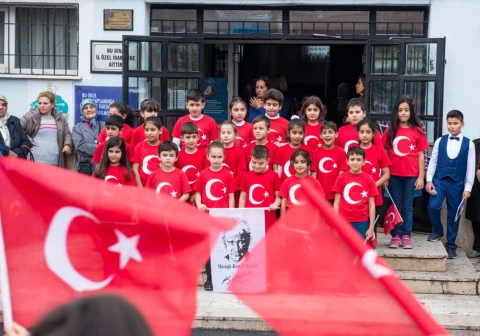
The old Turkey was a period when the nation was reduced to only one ethnicity as prescribed in the Student Oath, multiculturalism was disregarded, and the ones not conforming to this model were not even considered proper citizens.
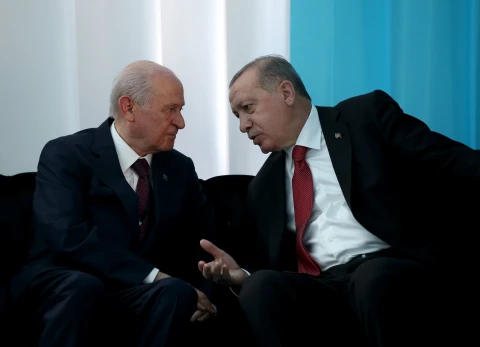
What makes the upcoming local elections more important than a simple vote to determine local administrators is the fact that the opposition is trying to make it ‘a referendum vote’ for the Turkish government. And this effort may lead to the most critical stage of a struggle in voter sociology, which has been long ongoing.
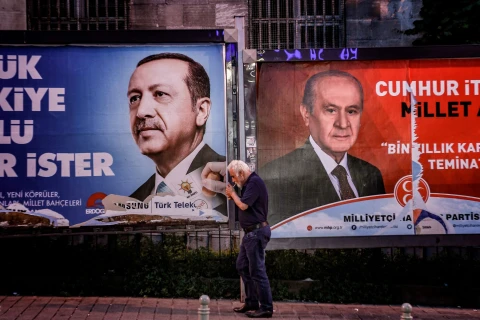
It is too early to talk about the future of the People’s Alliance. However, it is fair to state that unless the conditions that had formed the Alliance change, it will maintain its existence with periodical fluctuations.

In the “Old Turkey,” to use the term coined by the AK Party, courts often examined the “aptness” of government decisions and acted as if they were opposition parties, banning certain behavior. It has been a long time since this situation was named “judicial tutelage” and many efforts were made to end it.
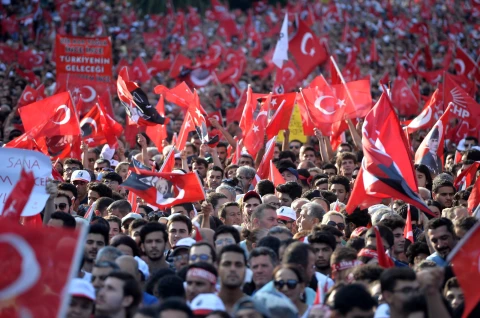
What do the political parties in Turkey plan for the local elections 2019? What will be their local elections strategies? What kind of a road map have they drawn?
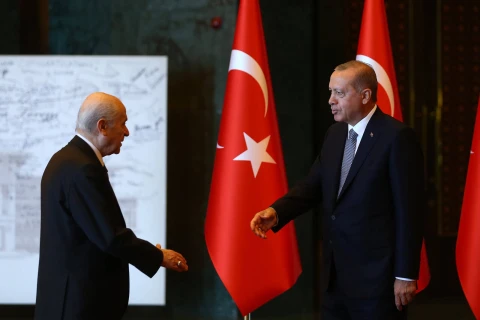
Nowadays, Turkey has been discussing the possibility of pre-electoral alliances in local elections. Last week, chairman of the MHP – Devlet Bahceli – announced that they are open to discuss the issue of pre-electoral alliances in local elections – even though this will not be easy to formulate.
The Turkish political system is not unipolar, in which a single party acts unilaterally, but has a dominant power whose influence is possible through cooperation with other parties or power blocs.
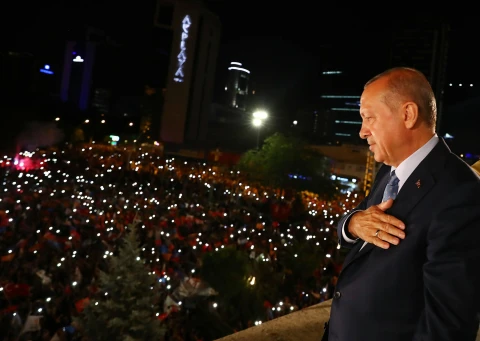
Having handled serious domestic and foreign policy crises over the years, including party closure cases and a failed coup attempt, Erdogan’s campaign for the presidential system has been accepted by the Turkish electorate.
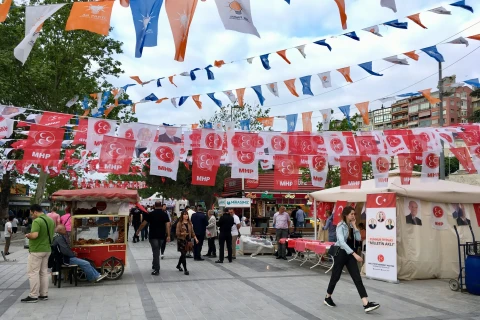
According to YSK rules, pre-election restrictions will be implemented by June 14 and parties will have to re-organize their campaign strategies according to these restrictions.
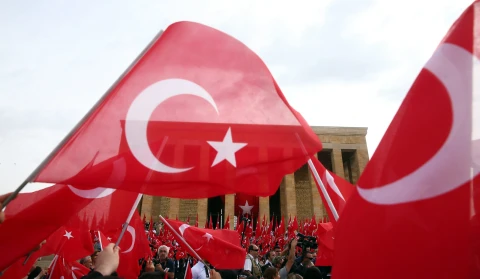
On June 24, the people will rather decide whether the country should revert the old oligarchic regime in which the bureaucracy used to hold power and sovereignty or whether it should consolidate its burgeoning democratic regime in which power and sovereignty lay with the people.
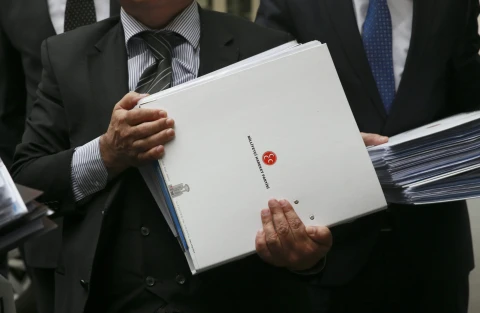
While some parties followed a more transparent method and informed the public at every stage of their parliamentary candidacy process, some contrarily held the process behind closed doors. Thus, before the announcement of the final lists, it is important to evaluate the parties’ candidate selection process in detail.
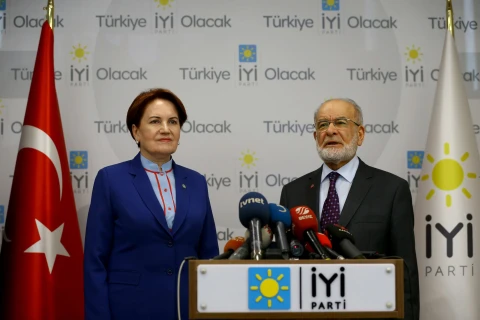
After the announcement of the alliance, supporters of the Felicity Party criticized the cooperation of their party with the CHP on social media. Especially the CHP’s historical discourse on women that wear headscarves came to the prominence again.