
Jacques Chirac: What Legacy Does He Leave Behind?
Chirac has had a fundamental impact on the trajectory of the French system of government and its consolidation over the years. He consolidated the country’s current president-party relationship.

Chirac has had a fundamental impact on the trajectory of the French system of government and its consolidation over the years. He consolidated the country’s current president-party relationship.
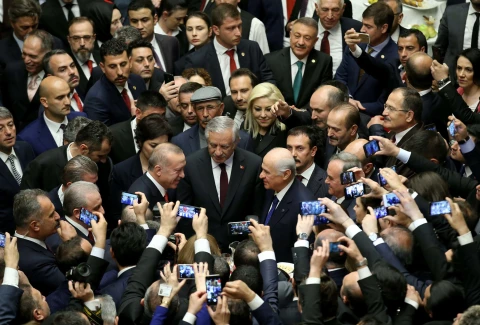
Centralizing and de-centralizing dynamics existing side-by-side create a complex situation for the present and future of Turkish politics.
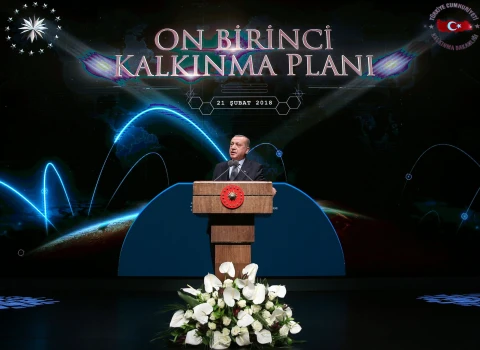
The report, “New System New Economy: A Detailed Roadmap” concentrates on the fields of industrial, agricultural, fiscal, and monetary policies and on institutional systems and the bureaucracy in accelerating the developments in Turkey’s economy.
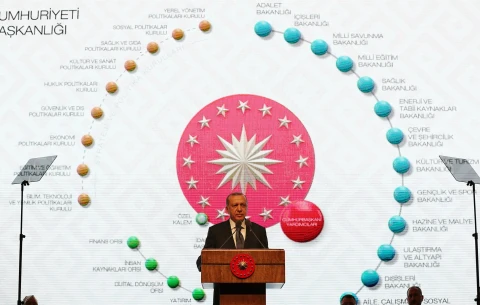
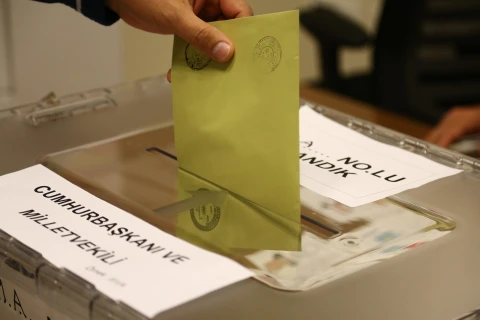
The last two months after the election were important in terms of the implementation of the presidential system and the transformation of the state structure in accordance with the requirements of the new system.
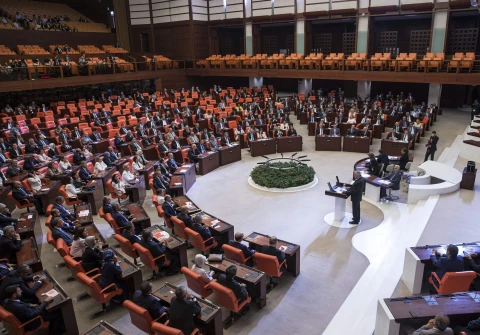
All the main characteristics of bureaucratic transformation will take some time to be active. Actors, institutions, structures, and all other elements will gain momentum in accordance with the new system.
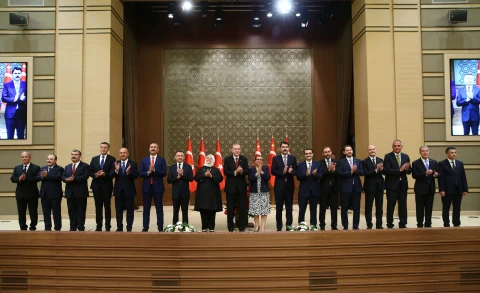
When names in the new cabinet are examined, it is seen that the main trigger behind its formation is expertise with bureaucratic and technical knowledge. Almost all names in the cabinet have significant experience in working areas of their ministries.
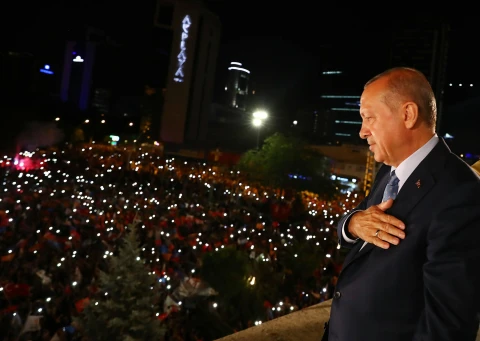
Having handled serious domestic and foreign policy crises over the years, including party closure cases and a failed coup attempt, Erdogan’s campaign for the presidential system has been accepted by the Turkish electorate.
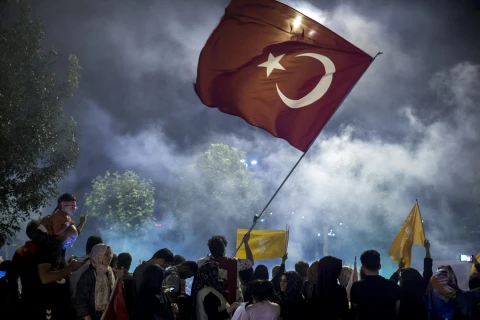
The turnout in the elections was higher than 85 percent, which proves the health of Turkish democracy compared to other democracies in the world.
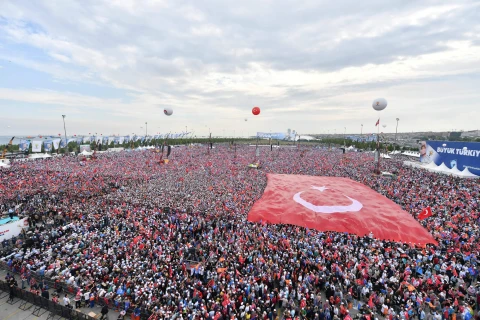
It’s striking that Ince makes use of populism by not explaining several promises in depth. For instance, Ince declares that he has no problem with women who wear headscarves while he does not explain his previous and well-known anti-positions just some years ago.
The liberal international order has been challenged by the rise of China, the resurgence of Russia in the Middle East and in Europe, and the Brexit, a product of the populist movements throughout the West, including the U.S. Turkey has had to face security, foreign policy, and economic challenges in its immediate neighborhood as well as those emanating from the unpredictability of the international system.
Turkey is heading for a systemic transformation towards the “Presidential Government System” under such difficult global conditions. But it is exactly these difficult conditions that make Turkey’s systemic transition more important and inevitable.
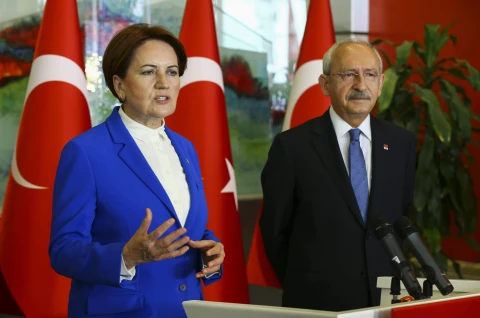
A roust may hit the opposition parties, especially after the elections. The main reason for this will be the lack of a comprehensive and well-defined political project shared by all opposition parties, which can produce a united front.
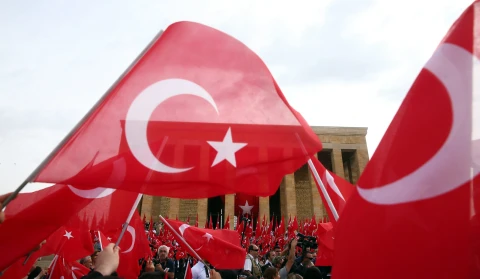
On June 24, the people will rather decide whether the country should revert the old oligarchic regime in which the bureaucracy used to hold power and sovereignty or whether it should consolidate its burgeoning democratic regime in which power and sovereignty lay with the people.
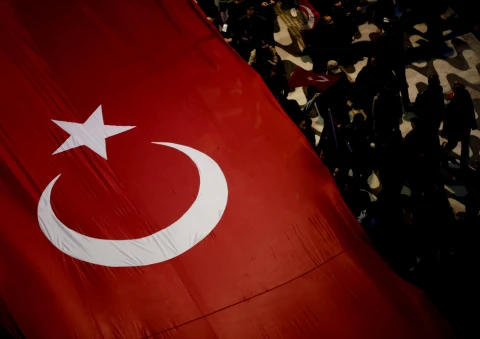
To get a clear notion of what’s happening in Turkey, the following main points can be taken into consideration: First, what do the snap elections mean for the Turkish political system and the people’s attitude in general? Second, what about the main parties regarding the elections? And lastly, what do we expect during the two months until the election day?
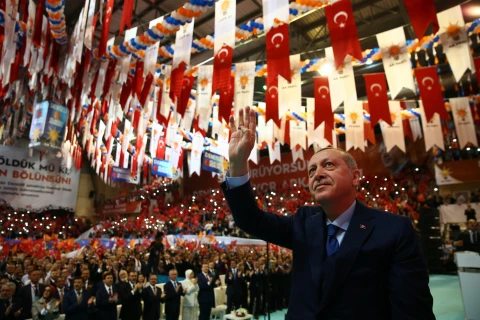
Erdogan knows that he will win in any pairwise election and that is the reason why he presents the elections in dichotomies as in the case of “me versus him.” In a nutshell, if politics is a game, Erdogan knows how to play it.
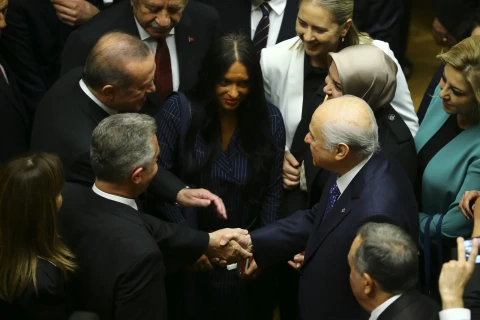
If a party fails to convince its voters that it has achieved necessary gains from an alliance, the party may be negatively affected. For this reason, political parties pay close attention to their achievements and contributions when forming an alliance and observe whether there is any deviance is the balance of power between the two parties.
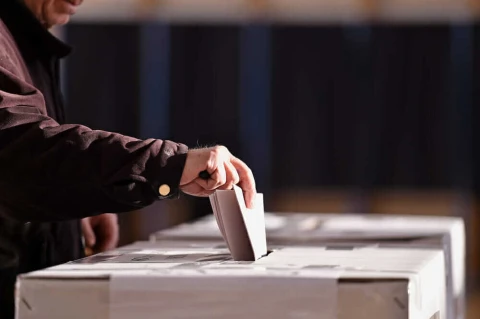
By increasing voter turnout, the pre-electoral alliances invalidate the principle of “If you don’t vote, you don’t count.”
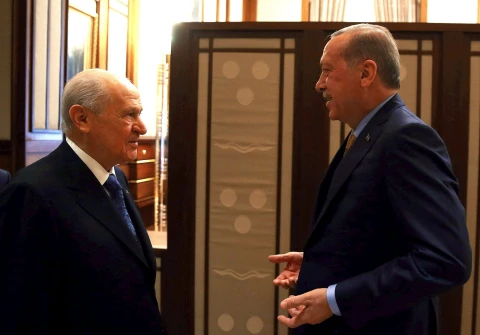
The alliance-forming process between the AK Party and the MHP also revealed another tangible outcome of the presidential system: reconciliation between political parties in a different form other than a coalition in the parliamentary system.