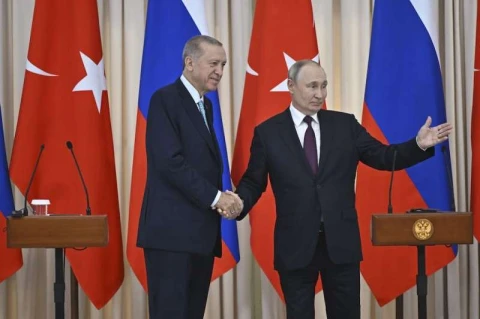
US Sanctions Threat Causes Disruption in Turkish-Russian Trade
The recent threat of US secondary sanctions targeting Turkish banks and companies has complicated Turkey-Russia trade relations.

The recent threat of US secondary sanctions targeting Turkish banks and companies has complicated Turkey-Russia trade relations.
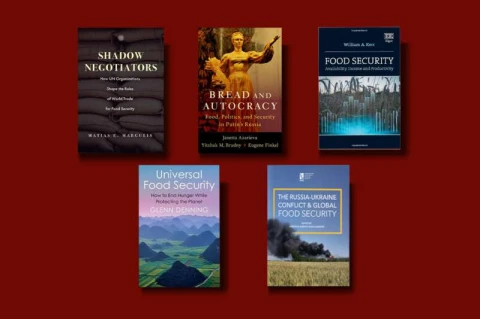
From the intricacies of international trade policies to the sustainability of food systems, the impacts of geopolitical conflicts to the strategic place of food, these books provide a comprehensive understanding of the challenges and opportunities in the realm of global food security.
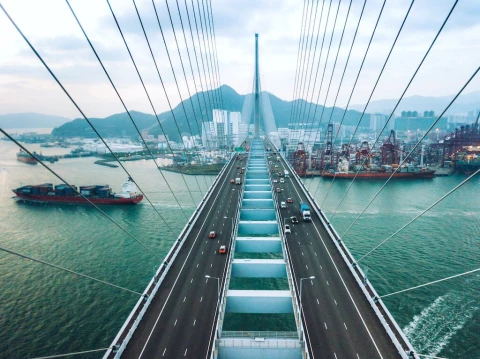
For Americans, participating in the New Silk Road should not be seen as a defeat or loss of standing in the international order but rather as a chance to lead in bettering the world.
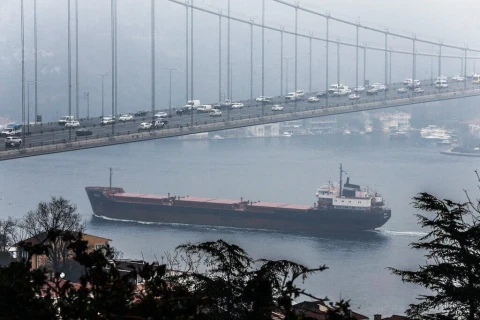
As the blurriness of geopolitical, economic, and security alliances fades, countries are likely to find themselves dependent on the supply chains of either the U.S. or China.
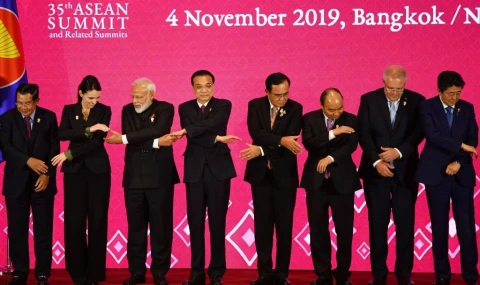
The RCEP is ostensibly a mechanism to oversee the trade activities of the major countries in the region. The hypothesis that China will draw the other countries into its orbit has yet to be proven.
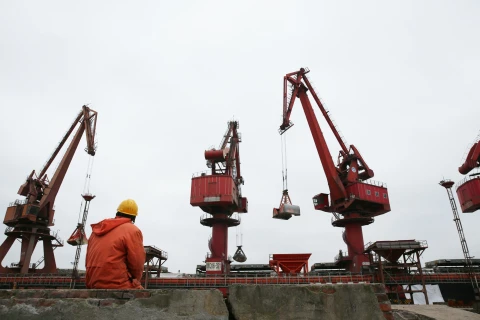
While what is going on is clear protectionism, it may be a little early to call it a trade war. Though the primary goal is not to pick a trade war, this mutual display of strength raises the fear and possibility of one.
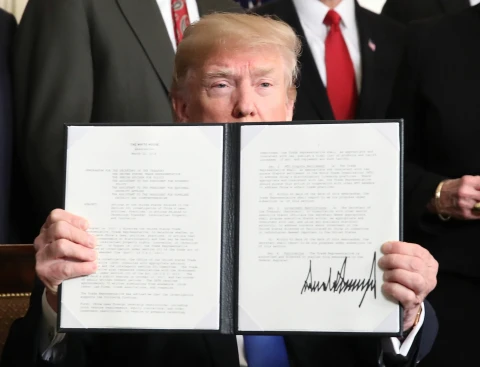
Now that Trump has expanded his list of exempted countries from new tariffs, this brings into mind two questions: Is this protectionism only rhetoric? Is China the target?