Trump Announces Russia-Ukraine Energy Ceasefire as Zelenskiy Awaits Details

October 12, 2026

Trump declared on his Truth Social platform that Russia and Ukraine had agreed to halt attacks on energy facilities, following days of mounting pressure on Ukraine to stop targeting Russian oil refineries.
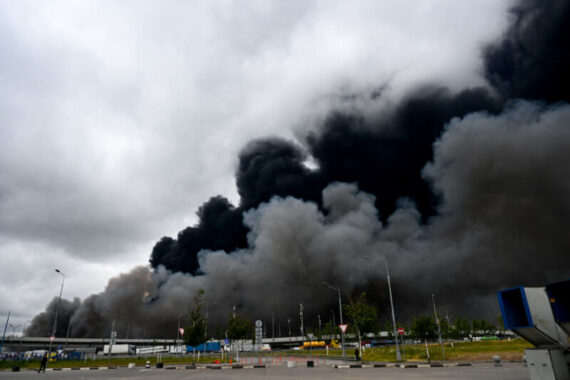
Black smoke rises from the refinery where a fire broke out following a strike as firefighting efforts continue in Moscow, Russia on June 18, 2026. Photo by Anadolu Images.

A

merican President Donald Trump announced an immediate energy ceasefire between Russia and Ukraine on Sunday, catching Ukrainian President Volodymyr Zelenskiy by surprise as Kyiv awaited details of the proposed agreement and reported continued Russian attacks on its energy infrastructure.

Trump declared on his Truth Social platform that both countries had agreed to halt attacks on energy facilities, following days of mounting pressure on Ukraine to stop targeting Russian oil refineries.

“Effective immediately, there is an ENERGY CEASEFIRE in the War between Russia and Ukraine. Both parties have agreed. Do not break it!” Trump wrote.

Neither Moscow nor Kyiv immediately confirmed that a formal agreement had been reached.

Zelenskiy subsequently said Ukraine supported an energy ceasefire but needed clarification from Washington, emphasizing that Russia must also comply with any arrangement.

“Ukraine supports the ceasefire, and it is important that Russia support it as well. We are awaiting details from the American side,” he said on Telegram.

The Ukrainian leader said he had discussed the announcement with NATO Secretary General Mark Rutte, Canadian Prime Minister Mark Carney and Finnish President Alexander Stubb.

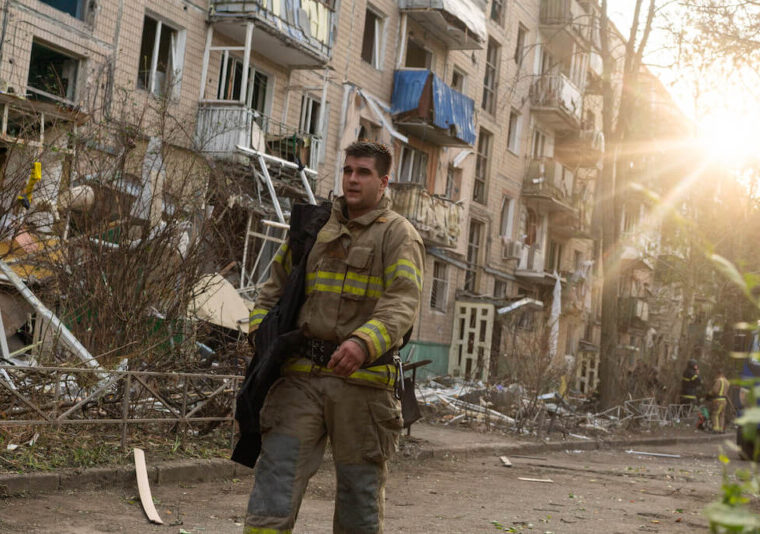
However, Zelenskiy reported that Russian forces continued striking Ukrainian energy infrastructure, including a combined heating and power plant in Kharkiv. A Ukrainian official confirmed that the attack occurred after Trump’s announcement.

Washington pressures Kyiv over Russian oil strikes

Trump’s announcement followed a sharp deterioration in relations between Washington and Kyiv over Ukraine’s attacks on Russian oil refineries, which the US president has blamed for contributing to rising global diesel prices.

On Saturday, Trump publicly warned Zelenskiy to stop targeting Russian refineries and suggested that Ukrainians should elect a new leader willing to reach an agreement with Moscow.

According to a person familiar with the situation, Washington also threatened to suspend intelligence sharing with Ukraine and block weapons procurement through the Prioritised Ukraine Requirements List (PURL) mechanism unless Kyiv halted its attacks on Russian energy facilities.

The White House did not immediately respond to a request for comment on the reported threats.

Zelenskiy maintained that Ukraine would suspend strikes against Russian refineries only if Moscow reciprocated by ending attacks on Ukrainian electricity and energy infrastructure.

The dispute comes amid rising global fuel prices following the outbreak of the Iran war in February. Higher diesel costs have become a political concern for Trump’s Republican Party ahead of November’s US midterm elections.

Zelenskiy rejected suggestions that Ukrainian strikes were primarily responsible for the increase, arguing that the conflict in the Middle East was a more significant factor.

Tensions were further heightened by Trump’s announcement on Friday of a diesel supply arrangement with Russia. Under the deal described by the US president, Moscow would immediately supply more than 300,000 metric tons of diesel to American and international markets, equivalent to approximately 2.25 million barrels.

Zelenskiy criticized the arrangement, warning that renewed economic cooperation with Moscow could embolden Russia and lead to further Ukrainian casualties.

The deal also drew criticism from US lawmakers, including Republican Senator Thom Tillis, who questioned its legality and warned that it could endanger American lives.


Zelenskiy offers elections in exchange for 60-day truce

The diplomatic confrontation also extended to Ukraine’s political leadership after Trump called for new presidential elections, which have been suspended since Russia launched its full-scale invasion in February 2022.

Zelenskiy responded that Ukrainians alone should determine their country’s leadership and offered to organize elections if Russian President Vladimir Putin agreed to a comprehensive 60-day ceasefire.

“Please tell Putin, give us two months, 60 days of total ceasefire, 60 days, and we will organise elections,” Zelenskiy said.

Ukrainian legislation prohibits elections during martial law because of security concerns.

Trump’s remarks drew criticism from residents in Kyiv, where some viewed his intervention in Ukraine’s electoral affairs as inappropriate while the country remained at war.

Meanwhile, Russian attacks continued on Sunday. Ukrainian authorities reported that three people were killed outside a grocery store in Kharkiv, while another three died in strikes on the western city of Ivano-Frankivsk.

Neighbouring Moldova also reported an incursion involving suspected Russian drones, which landed approximately 35 kilometres from its capital, Chisinau.

The continuing violence highlighted the uncertainty surrounding Trump’s ceasefire declaration, with neither a confirmed agreement nor evidence of an immediate halt to attacks on Ukrainian energy facilities.

For Kyiv, the central question remains whether Washington’s proposed arrangement will impose reciprocal obligations on Moscow or primarily restrict Ukraine’s ability to target Russian energy infrastructure.

(Source: Reuters)

Politics Today is dedicated to publishing insightful analyses in order to understand the changing nature of contemporary politics. It aims to contribute to the sound and constructive discussion of international affairs.