303 Lebanese Killed by Israeli Airstrikes in One Day
The latest wave of Israeli bombardment brings the overall death toll in Lebanon since March 2 to 1,888, with more than 6,000 injured.
April 10, 2026
I
sraeli airstrikes across Lebanon intensified sharply this week, killing hundreds and wounding more than a thousand in a single day, as the country remains excluded from a fragile regional ceasefire framework, raising fears of a wider Middle East conflict.
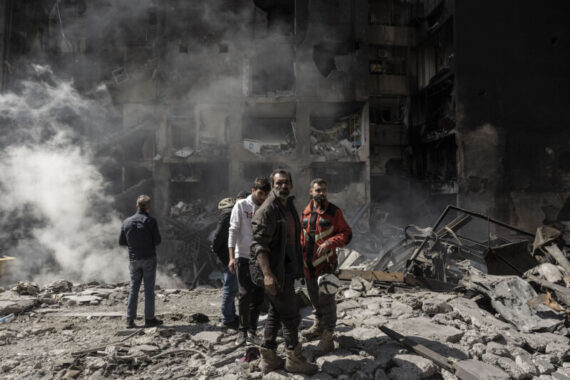
According to the Lebanese Health Ministry, at least 303 people were killed and more than 1,150 injured in strikes carried out on Wednesday alone. The ministry said the attacks, which targeted dozens of areas across the country, included residential areas and critical infrastructure. Among the dead were at least 110 women, children, and elderly people, highlighting the heavy civilian toll.
The latest wave of bombardment brings the overall death toll in Lebanon since March 2 to 1,888, with more than 6,000 injured. Emergency teams continue to search for victims trapped beneath rubble in several locations, particularly in the capital, Beirut, where entire buildings were reduced to debris.
In southern Lebanon, Israeli strikes hit at least 52 towns and villages over a 24-hour period, killing 24 people, according to official figures. The deadliest attacks included a strike on a residential building in Zrariyeh that killed 10 people, as well as additional strikes in Abbassiyeh and Jibsheet.
The Israeli military said it was targeting positions linked to Hezbollah. It claimed to have killed a senior figure associated with the group’s leadership in a strike on Beirut. However, the scale and spread of the bombardment have drawn international condemnation and renewed scrutiny over the proportionality of the attacks.
Israeli Prime Minister Benjamin Netanyahu has defended the operations as necessary for national security, while also instructing officials to prepare for potential direct talks with Lebanon. The announcement of possible negotiations came even as strikes continued, underscoring the contradiction between military escalation and diplomatic outreach.
Efforts to contain the crisis are now intensifying on the diplomatic front. The United States has confirmed it will host talks next week aimed at reaching a ceasefire between Israel and Lebanon. A State Department official said the meeting would focus on mechanisms to halt hostilities and prevent further regional spillover.
The United Nations has welcomed the prospect of negotiations, stressing that diplomacy remains the only viable path to resolving the escalating violence. However, Lebanese officials have made clear that they will not enter talks without a prior cessation of hostilities, calling for a multi-day ceasefire as a precondition.
Recommended
Hezbollah has also rejected the idea of direct negotiations with Israel, reiterating its position that any dialogue must follow an immediate halt to Israeli attacks. The group’s stance reflects broader domestic pressure within Lebanon, where public anger has surged amid mounting casualties and widespread destruction.
International reaction has been swift and critical. Emmanuel Macron warned that continued Israeli strikes risk undermining ongoing peace efforts and destabilizing the region further. Norway’s foreign minister said the attacks could constitute violations of international humanitarian law, while Canada issued a strong condemnation of the airstrikes and called for respect for Lebanon’s sovereignty.
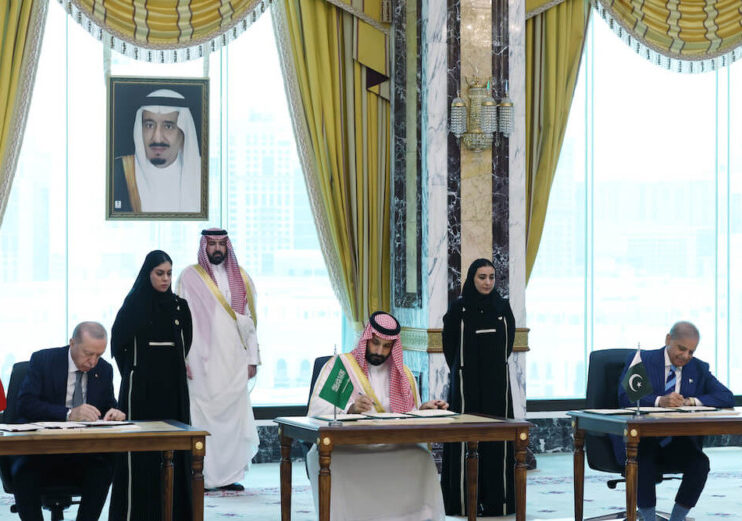
In the region, Türkiye accused Israel of expanding its war beyond Gaza, warning that the conflict is entering a more dangerous phase. Pakistan also condemned the strikes, emphasizing that Lebanon must be included in any broader ceasefire arrangement tied to ongoing US-Iran negotiations.
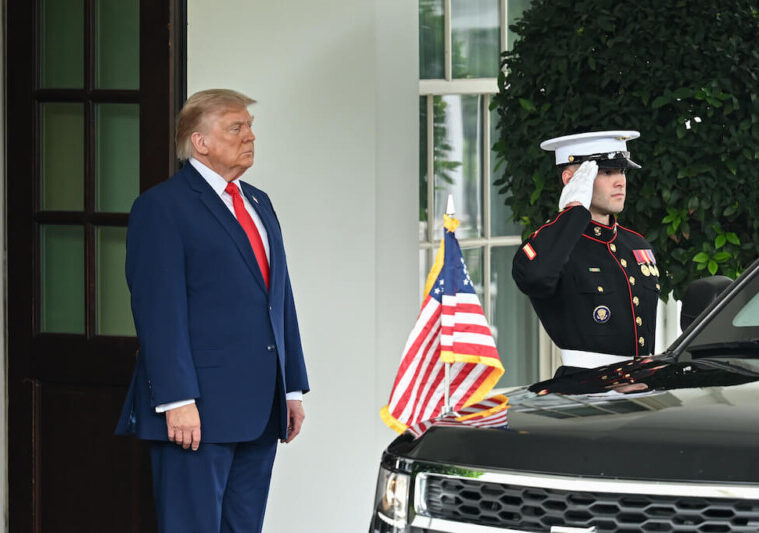
The crisis is unfolding against the backdrop of a fragile understanding between Washington and Tehran aimed at reducing tensions elsewhere in the region. Former U.S. President Donald Trump, commenting on the situation, warned that Iran was failing to uphold commitments related to oil transit through the Strait of Hormuz, adding another layer of uncertainty to an already volatile situation.
Iran, for its part, has warned that continued Israeli attacks on Lebanon could render ongoing diplomatic efforts “meaningless,” signaling that escalation on the Lebanese front could derail broader regional negotiations.
Within Lebanon, the government has taken steps to assert greater control over the security situation, instructing the army to enforce a state monopoly on weapons in Beirut. The move appears aimed at stabilizing the internal environment as the country faces simultaneous external attacks and internal political pressure.
Despite these efforts, the situation on the ground remains highly volatile. With Lebanon still excluded from current ceasefire arrangements and military operations continuing unabated, fears are growing that the conflict could expand into a broader regional confrontation.
As diplomatic efforts gather pace ahead of next week’s talks in Washington, the coming days are likely to be critical in determining whether the violence can be contained—or whether the war will deepen further across the region.
(Source: Anadolu Agency)

Politics Today is dedicated to publishing insightful analyses in order to understand the changing nature of contemporary politics. It aims to contribute to the sound and constructive discussion of international affairs.
You can see how this popup was set up in our step-by-step guide: https://wppopupmaker.com/guides/auto-opening-announcement-popups/

Stay informed by subscribing to
our weekly newsletter.
You can see how this popup was set up in our step-by-step guide: https://wppopupmaker.com/guides/auto-opening-announcement-popups/
You can see how this popup was set up in our step-by-step guide: https://wppopupmaker.com/guides/auto-opening-announcement-popups/
You can see how this popup was set up in our step-by-step guide: https://wppopupmaker.com/guides/auto-opening-announcement-popups/
You can see how this popup was set up in our step-by-step guide: https://wppopupmaker.com/guides/auto-opening-announcement-popups/