Australia Enforces World-First Ban on Social Media for Under-16s
With global regulators watching closely, Australia’s experiment may shape the future of online child protection — and the limits of government intervention in digital life.
December 10, 2025
A
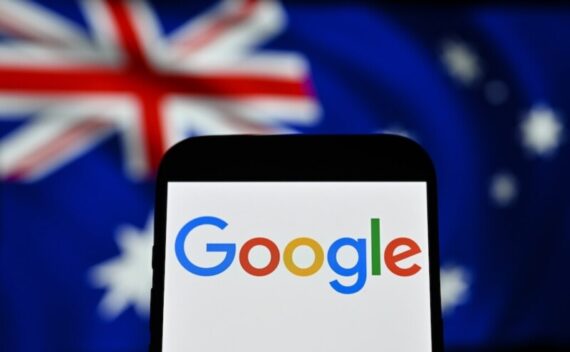
ustralia on Wednesday became the first country in the world to ban social media access for children under 16, implementing a sweeping new law that compels major tech platforms to block young users or risk hefty penalties. The policy, which took effect at midnight, is poised to reshape online habits across the nation and influence global regulatory debates.
Under the legislation, ten of the world’s largest platforms — including TikTok, YouTube, Instagram, Facebook and Elon Musk’s X — must remove or deny access to underage users or face fines of up to A$49.5 million (US$33 million). X became the last major platform to confirm its compliance just hours before the deadline, stating it had “no choice” but to follow Australian law.
Prime Minister Anthony Albanese hailed the rollout as “a proud day for families”, describing the ban as one of the most transformative social policy reforms in decades. “This will make an enormous difference,” he said. “It’s a profound reform that will reverberate around the world.”
In the hours leading up to the ban, many of the approximately one million affected children posted farewell messages to their followers.
“No more social media… no more contact with the rest of the world,” wrote one teenager on TikTok, while others shared the tag #seeyouwhenim16.
Some young users have voiced concerns about losing essential support networks, particularly LGBTQ+ teens and those who rely on online communities to discuss mental health. “It’s going to be worse for queer people and people with niche interests,” said 14-year-old Annie Wang. “For some, it could actually worsen their mental health.”
Platforms will use a mix of age-inference algorithms, selfie-based age estimation, and optional ID or bank-linked verification. Officials say the list of regulated platforms will expand as new apps emerge and children move to different online spaces.
The law follows growing concerns about the impact of social media on young teens, including rising anxiety, cyberbullying, misinformation, and harmful body-image content. Countries such as Denmark, New Zealand, and Malaysia have already signalled interest in studying or emulating Australia’s approach.
Australia’s eSafety Commissioner Julie Inman Grant said she was hearing increasing demand for similar reforms in the United States. “Parents tell us they wish they had a government putting tween and teen safety before technology profits,” she said.
With global regulators watching closely, Australia’s experiment may shape the future of online child protection — and the limits of government intervention in digital life.
(Source: The Assosiated Press)
Recommended

Politics Today is dedicated to publishing insightful analyses in order to understand the changing nature of contemporary politics. It aims to contribute to the sound and constructive discussion of international affairs.
You can see how this popup was set up in our step-by-step guide: https://wppopupmaker.com/guides/auto-opening-announcement-popups/

Stay informed by subscribing to
our weekly newsletter.
You can see how this popup was set up in our step-by-step guide: https://wppopupmaker.com/guides/auto-opening-announcement-popups/
You can see how this popup was set up in our step-by-step guide: https://wppopupmaker.com/guides/auto-opening-announcement-popups/
You can see how this popup was set up in our step-by-step guide: https://wppopupmaker.com/guides/auto-opening-announcement-popups/
You can see how this popup was set up in our step-by-step guide: https://wppopupmaker.com/guides/auto-opening-announcement-popups/