Global Warming Set to Pass 1.5C Threshold Within Years, UN Body Warns
A UN report indicates that the world is on track to breach the critical 1.5 degrees Celsius warming threshold within just a few years.
September 2, 2026
T
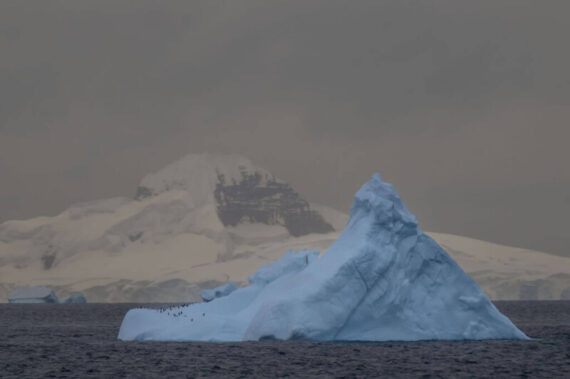
he world is on track to breach the critical 1.5 degrees Celsius warming threshold within just a few years, according to a new assessment from the United Nations Environment Programme (UNEP), which cautioned that the overshoot would intensify extreme weather and place growing strain on ecosystems, glaciers and coastal communities.
UNEP said reversing course and bringing long-term warming back under 1.5C remains achievable but is far from guaranteed, requiring both steep, rapid cuts to greenhouse gas emissions and active efforts to pull existing carbon dioxide out of the atmosphere.
Under the 2015 Paris Agreement, nations pledged to hold global temperature increases within 1.5C of pre-industrial levels in order to limit the worst effects of climate change. With that goal now almost certain to be missed, UNEP said the priority is shifting toward minimizing how long global temperatures stay above the threshold rather than preventing the breach altogether. The agency warned that every year of inaction and every additional fraction of a degree compounds the danger, cautioning that some resulting damage could prove permanent even if temperatures eventually come back down.
Even in the best-case scenario, one in which every country fully delivers on its existing climate pledges, warming would still likely peak around 1.8C above pre-industrial levels, and the report suggested the actual outcome is likely to run higher. Based on the policies currently in place worldwide, UNEP projected that median warming could reach roughly 2.6C by the end of the century.
Recommended
The report identified carbon dioxide removal efforts, including large-scale reforestation, as a necessary part of reining in rising temperatures, but stressed that such measures cannot substitute for deep, direct reductions in current emissions.
Scientists have long emphasized that each additional fraction of a degree of warming brings disproportionately larger risks, and that limiting temperature rise as much as possible remains essential to preserving a livable planet. It’s worth noting that a single month or year exceeding 1.5C does not by itself mean the Paris Agreement’s target has been missed, since that goal is defined over long-term, decadal averages rather than short-term fluctuations driven by natural variability such as El Niño and volcanic activity.
Still, such short-term breaches, including the record warmth of 2024, when average global temperatures ran about 1.55C above the pre-industrial baseline, are increasingly viewed as early warning signs that the world is edging closer to a lasting breach of the long-term limit.
(Source: Reuters)

Politics Today is dedicated to publishing insightful analyses in order to understand the changing nature of contemporary politics. It aims to contribute to the sound and constructive discussion of international affairs.
You can see how this popup was set up in our step-by-step guide: https://wppopupmaker.com/guides/auto-opening-announcement-popups/

Stay informed by subscribing to
our weekly newsletter.
You can see how this popup was set up in our step-by-step guide: https://wppopupmaker.com/guides/auto-opening-announcement-popups/
You can see how this popup was set up in our step-by-step guide: https://wppopupmaker.com/guides/auto-opening-announcement-popups/
You can see how this popup was set up in our step-by-step guide: https://wppopupmaker.com/guides/auto-opening-announcement-popups/
You can see how this popup was set up in our step-by-step guide: https://wppopupmaker.com/guides/auto-opening-announcement-popups/