Iran Reviews Ceasefire Proposal Amid Conflicting Signals from Washington
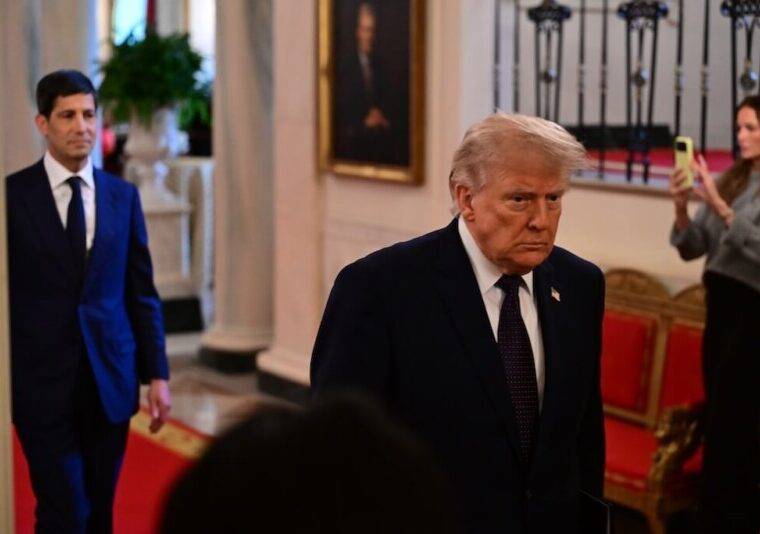
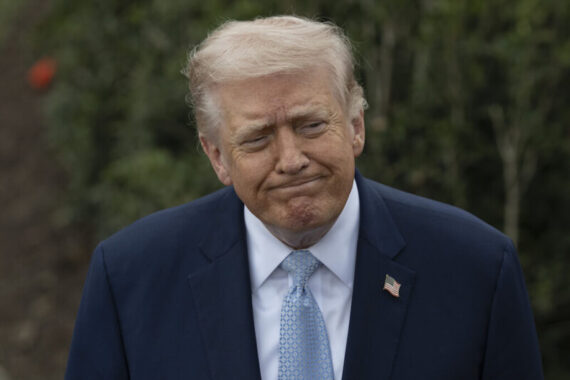
Trump, speaking at an event in Washington, said Iranian leaders “want to make a deal so badly,” suggesting internal pressures were preventing them from openly engaging.
March 26, 2026
I
ran said it is reviewing a U.S. ceasefire proposal but denied that any negotiations are taking place, contradicting claims by U.S. President Donald Trump that Tehran is eager to reach a deal.
Iranian Foreign Minister Abbas Araqchi said communication with Washington has been limited to indirect exchanges through intermediaries, stressing that such contacts do not constitute formal talks.
“Messages being conveyed through friendly countries and our responses are not negotiation or dialogue,” Araqchi said in remarks broadcast on state television.
Trump, speaking at an event in Washington, said Iranian leaders “want to make a deal so badly,” suggesting internal pressures were preventing them from openly engaging.
The conflict, now in its fourth week, is having far-reaching economic and humanitarian consequences. The effective closure of the Strait of Hormuz—a critical route for global oil and gas supplies—has driven energy prices sharply higher and disrupted supply chains worldwide.
Industries ranging from aviation to agriculture are struggling with rising costs and fuel shortages. Aid agencies warn that prolonged disruption could push tens of millions toward severe hunger.
António Guterres, head of the United Nations, urged immediate de-escalation, warning that the world risks sliding into a broader regional war.
According to regional sources, the U.S. proposal includes:
Iran has indicated through intermediaries that any ceasefire arrangement must also address Lebanon.
Military exchanges have continued across the region, with missile and drone strikes reported between Iran, Israel, and U.S. forces.
U.S. officials say thousands of targets inside Iran have been struck, significantly weakening its military capabilities. Additional American troops are being deployed to the Gulf, raising the possibility of further escalation.
U.S. President Donald Trump said Iran is eager to reach a deal with Washington but is unwilling to admit it publicly, claiming Iranian leaders fear both domestic backlash and U.S. retaliation. Speaking at a Republican fundraising event in Washington, Trump said, “They want to make a deal so badly, but they’re afraid to say it,” adding that Iranian officials worry they could be killed “by their own people” or by the United States.
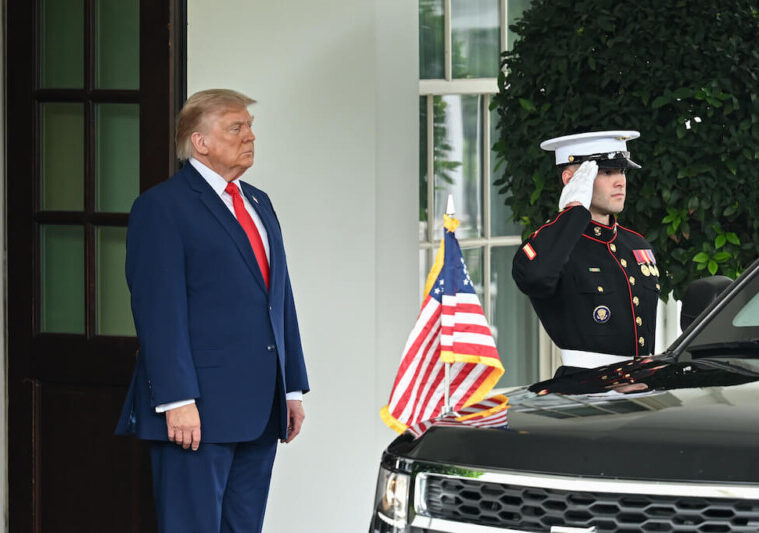
Trump described the ongoing U.S. military campaign against Iran as a “military operation” rather than a war, saying American forces were “decimating” Iran’s capabilities. He framed the intervention as necessary to eliminate what he called a nuclear threat, stating, “We had to cut out the cancer,” and emphasized that the objective was to fully neutralize Iran’s potential to develop nuclear weapons. He also praised the U.S. military, claiming it had successfully intercepted a large-scale Iranian missile attack.
The remarks come amid escalating regional tensions following joint U.S.-Israeli strikes that reportedly killed more than 1,300 people, including Iran’s Supreme Leader Ali Khamenei. Iran has since responded with missile and drone attacks targeting Israel and U.S.-linked positions in the Gulf. The conflict has also resulted in American casualties, with several service members killed and hundreds injured, raising concerns about further escalation in the region.
Recommended
Financial markets, which had briefly rallied on hopes of a ceasefire, reversed course as optimism faded. Oil prices resumed their climb, reflecting concerns over prolonged disruption to global energy supplies.
In Washington, Trump faces increasing domestic pressure to resolve the conflict, with public opposition to the war rising ahead of congressional midterm elections.
Despite signals of possible diplomacy, no formal negotiations have begun. With both sides maintaining hardline positions and military operations ongoing, prospects for a near-term ceasefire remain uncertain.
(Source: Reuters and Anadolu)

Politics Today is dedicated to publishing insightful analyses in order to understand the changing nature of contemporary politics. It aims to contribute to the sound and constructive discussion of international affairs.
You can see how this popup was set up in our step-by-step guide: https://wppopupmaker.com/guides/auto-opening-announcement-popups/

Stay informed by subscribing to
our weekly newsletter.
You can see how this popup was set up in our step-by-step guide: https://wppopupmaker.com/guides/auto-opening-announcement-popups/
You can see how this popup was set up in our step-by-step guide: https://wppopupmaker.com/guides/auto-opening-announcement-popups/
You can see how this popup was set up in our step-by-step guide: https://wppopupmaker.com/guides/auto-opening-announcement-popups/
You can see how this popup was set up in our step-by-step guide: https://wppopupmaker.com/guides/auto-opening-announcement-popups/