Israel and Hamas Agree to First Phase of Trump Peace Plan
Turkey and Qatar—both instrumental in brokering the negotiations—also voiced strong approval for the Gaza ceasefire deal.
October 9, 2025

I
n what U.S. President Donald Trump hailed as a “historic breakthrough,” Israel and Hamas have agreed to the first phase of a peace plan that aims to halt fighting in Gaza and begin the release of hostages and prisoners after two years of devastating war.
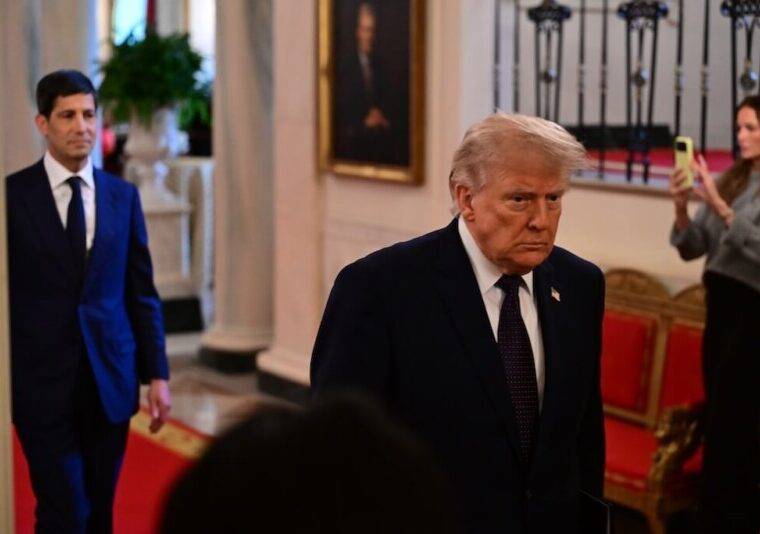
“This means that ALL of the hostages will be released very soon, and Israel will withdraw their troops to an agreed upon line as the first steps toward a Strong, Durable, and Everlasting Peace,” Trump announced on social media Wednesday. “All Parties will be treated fairly!”
Under the first phase of the agreement, Hamas is set to release 20 living Israeli captives in the coming days in exchange for about 2000 Palestinian prisoners held in Israel. In return, Israel’s military will begin a partial withdrawal from most areas of Gaza, marking the most significant step toward de-escalation since the conflict began in 2023.
Israeli Prime Minister Benjamin Netanyahu responded to the announcement by expressing optimism. “With God’s help, we will bring them all home,” he said on social media. His office later confirmed that the Israeli cabinet would convene on Thursday to approve the plan, calling it a “sacred mission.”
Hamas, in a statement released shortly after Trump’s post, said the agreement came after “responsible and serious negotiations” and urged the United States and mediators to ensure Israel fulfills all obligations “without delay or changes.” The group emphasized that the deal also guarantees greater humanitarian access to Gaza, where over two million people have been displaced, and international agencies have warned of famine conditions.
While the breakthrough has sparked celebrations in parts of Israel—particularly in Tel Aviv’s “Hostages Square,” long a site of protests and vigils—many remain skeptical about how lasting the ceasefire will be.
“This is a step in the right direction, but trust is fragile,” said Yael Cohen, whose son was among those kidnapped during Hamas’ attacks two years ago. “We’ve seen deals collapse before.”
The peace initiative, announced during Trump’s visit to the United Nations General Assembly, has drawn widespread international support. European leaders hailed the agreement as a long-awaited opening for diplomacy.
British Prime Minister Keir Starmer, speaking during a visit to India, called the news “a relief” and urged “immediate implementation and the lifting of all restrictions on humanitarian aid to Gaza.”
European Commission President Ursula von der Leyen said the EU “fully supports” the agreement’s terms, while French President Emmanuel Macron described it as “a moment of hope” that must pave the way for a two-state solution.
“This agreement must mark the end of the war and the beginning of a political solution based on two states,” Macron said at a press conference in Paris, where officials are meeting later Thursday to discuss Gaza’s future.
German Chancellor Friedrich Merz and Italian Prime Minister Giorgia Meloni also welcomed the deal, with Meloni calling it “extraordinary news” and urging rapid enforcement.
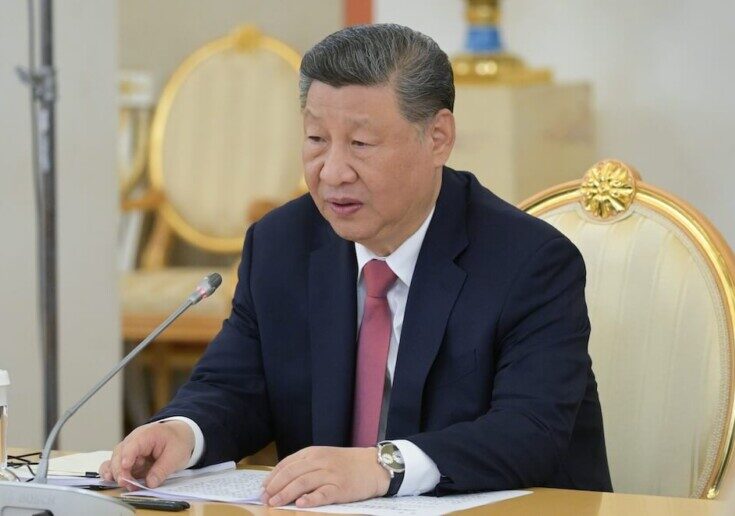
From Beijing, Chinese Foreign Ministry spokesperson Guo Jiakun said China hopes for a “lasting and comprehensive ceasefire,” adding that the agreement could ease Gaza’s humanitarian crisis and reduce regional tensions. “We stand ready to work with the international community toward a comprehensive, fair and lasting solution,” he said.
Turkey and Qatar—both instrumental in brokering the negotiations—also voiced strong approval. Turkish President Recep Tayyip Erdogan thanked Trump for “demonstrating the necessary political will” and said Ankara would monitor implementation closely.
“I extend my heartfelt greetings to my Palestinian brothers and sisters who have endured indescribable suffering for two years,” Erdogan wrote on X. Turkey’s Foreign Ministry reiterated that humanitarian aid delivery and Gaza’s reconstruction would remain priorities.
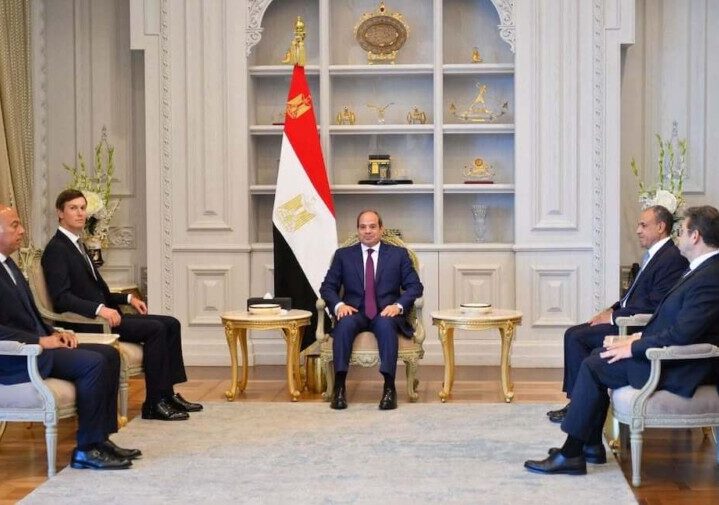
Egypt, another key mediator, welcomed the deal as a “critical step” and confirmed that Cairo will host follow-up meetings in the coming week to discuss Phase Two of the plan, which is expected to focus on establishing a governing authority in Gaza “non-affiliated with Hamas.”
Despite the optimism, major uncertainties remain about the next stages of the Trump peace plan. U.S. officials have said subsequent phases will include discussions on Hamas’ potential disarmament, the formation of a transitional governing body in Gaza, and mechanisms for reconstruction aid.
Analysts caution that achieving these goals will be far more difficult. “The initial phase is largely humanitarian,” said Dr. Lina Haddad, a Middle East analyst at the Brookings Institution. “But the political phase—who controls Gaza, how Hamas is integrated or excluded, and how to ensure security for both sides—will test whether this peace can endure.”
Critics of Trump’s plan argue that it does not adequately address the underlying causes of the conflict, including Israel’s occupation policies and the blockade of Gaza. Human rights groups have long accused Israel of creating “collective punishment conditions” in the enclave.
Meanwhile, Israeli hardliners have expressed concern that the deal could embolden Hamas or weaken Israel’s deterrence. Far-right members of Netanyahu’s coalition have warned they might oppose the agreement unless it includes clear guarantees of Hamas’ demilitarization.
Recommended
Still, after two years of relentless warfare that has claimed tens of thousands of Palestinian lives, the deal has offered a rare moment of hope. For the families of Israeli captives in Gaza, the first phase represents not just political progress but personal salvation.
“It feels like we can finally breathe,” said Gadi Levi, father of a 19-year-old soldier captured in 2023. “We just pray this time it’s real.”
As celebrations erupted in parts of Israel and Gaza, Trump vowed to continue pressing for a “total end” to the conflict. “Peace is possible,” he wrote late Wednesday, “if both sides choose it.”
(Source: The Associated Press)

Politics Today is dedicated to publishing insightful analyses in order to understand the changing nature of contemporary politics. It aims to contribute to the sound and constructive discussion of international affairs.
You can see how this popup was set up in our step-by-step guide: https://wppopupmaker.com/guides/auto-opening-announcement-popups/

Stay informed by subscribing to
our weekly newsletter.
You can see how this popup was set up in our step-by-step guide: https://wppopupmaker.com/guides/auto-opening-announcement-popups/
You can see how this popup was set up in our step-by-step guide: https://wppopupmaker.com/guides/auto-opening-announcement-popups/
You can see how this popup was set up in our step-by-step guide: https://wppopupmaker.com/guides/auto-opening-announcement-popups/
You can see how this popup was set up in our step-by-step guide: https://wppopupmaker.com/guides/auto-opening-announcement-popups/