Israel Approves Gaza City Occupation Plan Amid Criticisms
The same as Israel destroyed Rafah, it now approved a plan to destroy Gaza City.
August 8, 2025

I
srael’s political-security cabinet has approved a plan to occupy Gaza City, escalating military operations nearly two years into the genocide despite mounting criticism from allies and humanitarian groups.
Israeli Prime Minister Benjamin Netanyahu’s office announced early Friday that the Israeli occupation forces would “prepare to take control of Gaza City while providing humanitarian aid to the civilian population outside the combat zones.”
The decision focuses on the enclave’s largest urban center in the north, even as Netanyahu reiterated in a Thursday interview with Fox News that Israel intended to take military control of the entire Gaza Strip. “We don’t want to keep it. We want to have a security perimeter. We don’t want to govern it,” Netanyahu said, suggesting Arab countries could assume administrative control, though without naming which nations might participate.
Citing an Israeli official, Axios journalist Barak Ravid reported that the operation would involve evacuating Palestinian civilians from Gaza City ahead of a ground offensive. Sources told Reuters that evacuation warnings could be issued “weeks in advance to allow civilians to move out of targeted areas.”
Israel’s plan emerged from a tense meeting earlier this week between cabinet members and Israeli military chief Eyal Zamir, who reportedly pushed back against expanding the Gaza campaign. Alternative proposals—such as phased takeovers of remaining non Israel-controlled areas—were rejected by most ministers, who argued they would not achieve the dual goals of defeating Hamas and freeing hostages.
Any final resolution will require approval from Israel’s full cabinet, which is not expected to convene until Sunday.
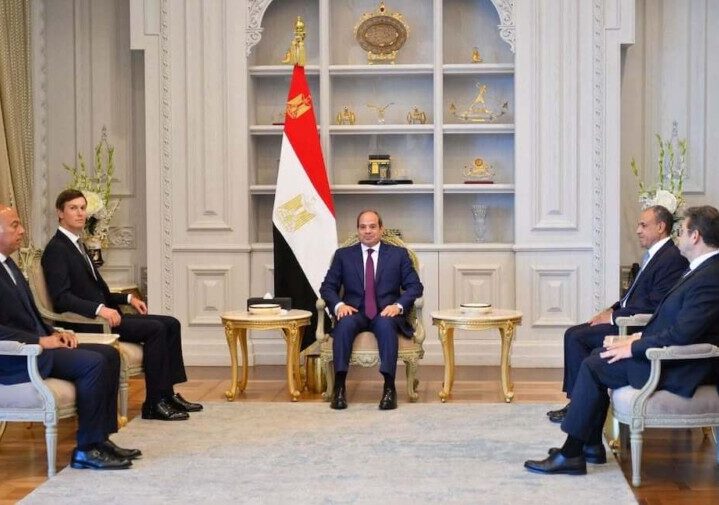
Earlier in 2025, Israel and the United States rejected an Egyptian-backed proposal from Arab leaders to establish a non-partisan Palestinian technocratic authority to govern Gaza post-war.
Opinion polls show that a majority of Israelis now favor a negotiated deal to secure the release of remaining hostages over continued military escalation. However, Netanyahu’s coalition, heavily influenced by far-right ministers, has resisted such agreements unless Hamas is decisively dismantled.
In the U.S., the White House had no immediate comment Friday. U.S. President Donald Trump has declined to state whether he supports or opposes a complete Israeli military takeover of Gaza.
Israeli officials believe around 50 hostages remain in Gaza, with approximately 20 still alive. Most releases to date have resulted from mediated ceasefire arrangements, but the last such talks collapsed in July. Hamas has signaled to Arab intermediaries that increased humanitarian aid could restart negotiations.
The United Nations called reports of a possible Gaza City offensive “deeply alarming,” warning of catastrophic consequences for civilians.
Recommended

If implemented, the occupation plan would mark a major new phase in the Israeli genocide in Gaza, putting Israeli troops in control of Gaza’s most populous city for the first time since 2005. It would also raise questions about governance, security, and the fate of both Palestinian civilians and the remaining hostages.
With Arab capitals signaling reluctance to oversee Gaza under Israeli security control, Netanyahu faces diplomatic and logistical challenges.
Whether the Gaza City offensive will change the reality on ground for Israel remains uncertain. For now, the decision signals that, despite international calls for restraint, Israel is prepared to expand its military footprint in pursuit of its genocide goals.
(Source: Reuters)

Politics Today is dedicated to publishing insightful analyses in order to understand the changing nature of contemporary politics. It aims to contribute to the sound and constructive discussion of international affairs.
You can see how this popup was set up in our step-by-step guide: https://wppopupmaker.com/guides/auto-opening-announcement-popups/

Stay informed by subscribing to
our weekly newsletter.
You can see how this popup was set up in our step-by-step guide: https://wppopupmaker.com/guides/auto-opening-announcement-popups/
You can see how this popup was set up in our step-by-step guide: https://wppopupmaker.com/guides/auto-opening-announcement-popups/
You can see how this popup was set up in our step-by-step guide: https://wppopupmaker.com/guides/auto-opening-announcement-popups/
You can see how this popup was set up in our step-by-step guide: https://wppopupmaker.com/guides/auto-opening-announcement-popups/