Soybeans, The New Flashpoint in Escalating U.S.-China Trade War
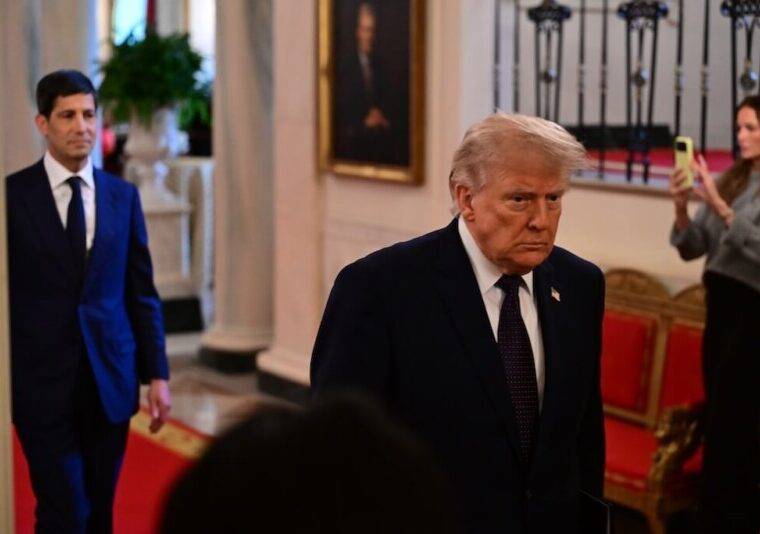
U.S. soybean farmers played a crucial role in Donald Trump’s election victories and have long pushed for Beijing’s market to stay open to American agricultural exports.
October 21, 2025
S
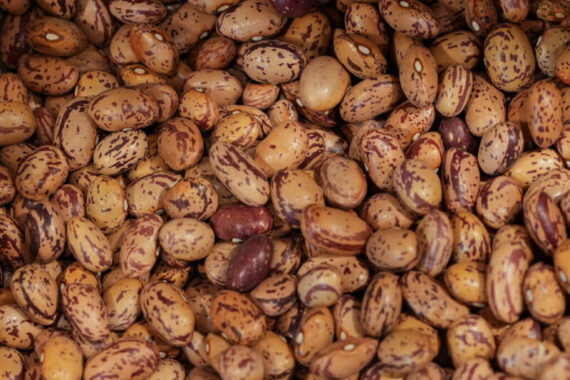
oybeans have become the latest battleground in the escalating U.S.-China trade conflict, as Beijing shifts away from U.S. agricultural imports in response to tariffs and export controls, tightening an already fraught global commodities market and pressuring prices in both hemispheres.
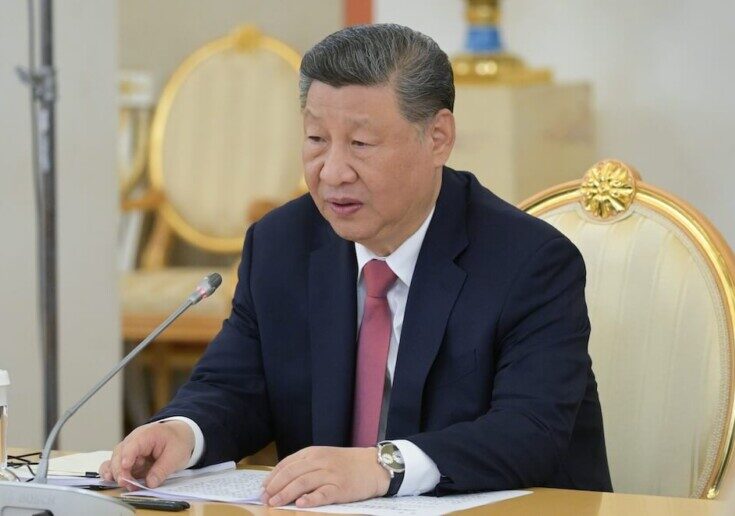
With Washington moving ahead with plans to hike tariffs on Chinese goods to 100% on Nov. 1 — alongside export controls on software and dual-use technologies — China has intensified its campaign to reduce reliance on U.S. farm products by deepening agricultural trade links with Brazil and other Latin American suppliers.
The shift carries outsized political weight in Washington. U.S. soybean farmers played a crucial role in Donald Trump’s election victories and have long pushed for Beijing’s market to stay open to American agricultural exports. But recent moves indicate that Beijing may be treating soybeans as a strategic lever similar to how Washington treats semiconductors — central to a geopolitical standoff rather than a conventional commodity dispute.
President Trump has accused China of “purposefully not buying” American soybeans, saying the slowdown in purchases is “hostile and retaliatory,” according to a recent social media post. Beijing has not formally confirmed a coordinated halt, but agricultural brokers say Chinese private buyers have sharply reduced spot purchasing of U.S. soybeans since mid-summer.
“China is signaling that soybeans are now politically off-limits — at least until there is clarity on tariffs,” said Sadi Kaymaz, Asia markets expert. “Beijing is using demand flexibility as a form of counter-pressure without issuing a formal ban.”
China is the world’s largest consumer of soybeans, which are critical feedstock for its enormous pork and poultry sectors. Domestic production covers only a fraction of national demand, making imports an unavoidable geopolitical linkage.
Brazil has emerged as the primary beneficiary of the shift. Shipments to China surged in recent months despite a sharp rise in prices caused by adverse weather conditions and higher transport costs. Brazilian soybeans are trading almost $3 per bushel above U.S. prices on landed cost, a substantial premium in a price-sensitive commodities market.
“Brazil’s export volumes exceeded 102 million tons in the first nine months of the year, a new record,” Kaymaz said. “Of every 100 tons of soybeans Brazil exported this year, 79 tons went to China.”
However, the buying spree has left Beijing with a dilemma. While Brazilian supply provides political cover, the market is strained and costly. Chinese trading houses have slowed purchases since mid-October and are expected to tap state reserves to cover winter demand. Analysts say China needs to secure around 10 million additional tons by the end of the year to maintain supply continuity for livestock feed producers.
China has spent the past several years quietly amassing soybean reserves to give itself insulation during trade shocks. Commercial and state reserves are now estimated at about 44 million tons — enough to temporarily meet demand if imports decline.
“Drawdowns from reserves give Beijing flexibility,” Kaymaz said. “They buy time, letting China wait out the White House without risking domestic food inflation.”
Still, prolonged reliance on reserves would expose Beijing to new price swings if weather or exports from South America deteriorate, especially during the first quarter of 2026 when Brazil’s next harvest timeline will not yet be secure.
Soybean prices rose modestly over the past year but remain volatile. Benchmark U.S. soybeans began 2025 at $10.10 per bushel, slipped to $9.70 mid-year, and now trade around $10.82. Traders say geopolitical risk — not fundamentals — is driving the price floor.
The U.S. Midwest also faces inflationary pressures. High interest rates, increased fertilizer costs, and strong dollar conditions have squeezed margins for American farmers, many of whom already suffered during the 2018–2020 trade standoff.
Market analysts warn that unless trade negotiations improve, soybean prices could face additional structural upward pressure.
Recommended
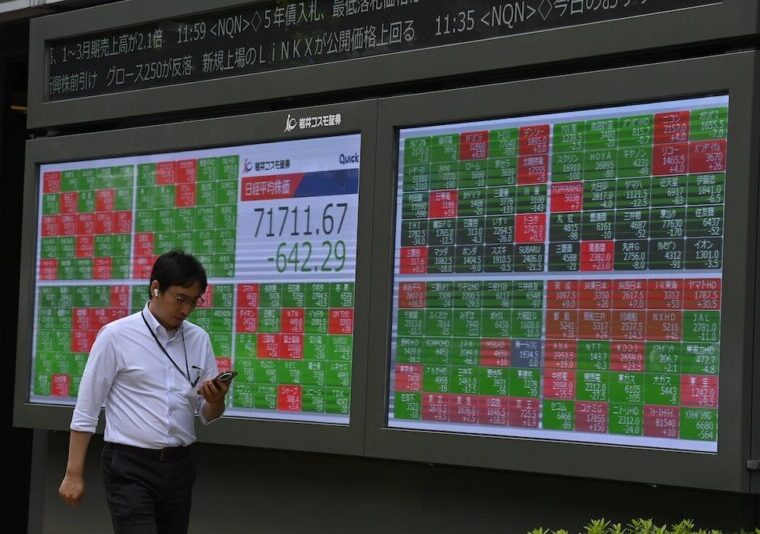
China’s soybean strategy is part of a wider diversification drive across the global food system. After Trump imposed a 50% tariff on Brazilian iron and steel last year, Beijing responded by substituting more U.S.-sourced corn and soybean meal with Brazilian and Argentine-origin products — further shifting the global supply balance.
The country has also deepened purchases of Arabica coffee beans from Brazil after Washington expanded inspections and tariff reviews on Chinese foodstuffs imported via intermediaries.
“Food security has become a geopolitical instrument for both sides,” said a commodity strategist at ING. “China is using market access as leverage, the U.S. is using export controls — and the casualties are pricing stability and predictability.”
The dispute is now moving beyond tariffs toward strategic resources, critical technology and core inputs supporting domestic industries. Rare earths, semiconductors, software ecosystems, and now large-volume staple goods are being drawn into the rivalry.
If the November tariffs proceed without exemptions or de-escalation, analysts expect China to lean even more heavily on agricultural substitutes — potentially pushing soybean supply chains into a two-track system split along geopolitical lines.
A breakthrough in trade talks or a short-term truce could temporarily boost U.S. soybean prices by reopening Chinese demand. But for now, as relations deteriorate, the world’s two largest economies appear to be treating soybeans not just as a crop — but as a negotiating instrument in a broader strategic contest.
(Source: Anadolu Agency)

Politics Today is dedicated to publishing insightful analyses in order to understand the changing nature of contemporary politics. It aims to contribute to the sound and constructive discussion of international affairs.
You can see how this popup was set up in our step-by-step guide: https://wppopupmaker.com/guides/auto-opening-announcement-popups/

Stay informed by subscribing to
our weekly newsletter.
You can see how this popup was set up in our step-by-step guide: https://wppopupmaker.com/guides/auto-opening-announcement-popups/
You can see how this popup was set up in our step-by-step guide: https://wppopupmaker.com/guides/auto-opening-announcement-popups/
You can see how this popup was set up in our step-by-step guide: https://wppopupmaker.com/guides/auto-opening-announcement-popups/
You can see how this popup was set up in our step-by-step guide: https://wppopupmaker.com/guides/auto-opening-announcement-popups/