The Economic Impact of the Iran-Israel War
While Iran benefits from its oil resources in terms of growth, a potential decline in Chinese demand is currently putting pressure on the country.
August 28, 2025
T
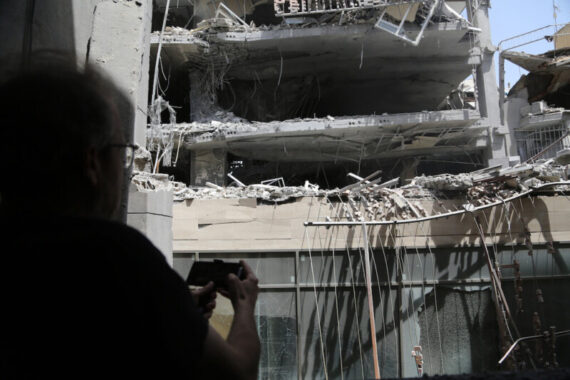
he Iran-Israel war has led to a reexamination of many issues, particularly those related to security in the global economy. Global trade has been negatively impacted, especially with regard to energy security and control of transportation networks. In short, the Iran-Israel war was fought not only on the battlefield, but also in markets and along energy pipelines. Consequently, the war’s dynamics could fundamentally alter the global economic order.
The Iran-Israel War, which broke out in June 2025, will not remain merely a military conflict between the two countries. It has led to a reexamination of security issues in the global economy. Global trade has been negatively affected in many ways, particularly with regard to energy security and control of transportation networks.
The war has also put pressure on financial markets. While prices of many financial assets, such as gold and stocks, have fluctuated, global central banks have also made decisions based on the war’s progress.
Due to the constant threat of war and its tight monetary policy, Israel’s economy slowed down in 2024. The country’s political choices are putting pressure on investments and domestic demand, hindering growth. The war environment is also making employment measurements problematic. In July 2024, an unemployment rate of 2.8% was recorded, which is historically low, but this is due to a decline in the labor force.
One of the most significant developments that could lead to inflationary pressures is the fiscal adjustment plan to increase taxes on consumer goods, driven by political tensions and reform efforts within the country. Tight financial conditions and the war environment could increase the risk of bankruptcy by suppressing corporate profits, particularly in the IT and construction sectors. Currently, declining public consumption may also hinder growth.
Israel, a start-up country that values new ventures, has seen its foreign trade with Turkey come to a standstill. These new ventures, which also carry service exports, are inevitably affected by geopolitical developments. One area in which Israel is not seen as disadvantaged is energy. Due to high natural gas production within the country, Israeli markets may react less to commodity prices.
Even before the war, Iran was expected to experience a slowdown in growth. The main reasons for this are weak domestic demand caused by high inflation and tightening global sanctions. The Central Bank’s tight monetary policy has restricted credit expansion. Additionally, sanctions imposed by the U.S. in April 2024 have made it increasingly difficult for Iran to access foreign markets.
While Iran benefits from its oil resources in terms of growth, a potential decline in Chinese demand is currently putting pressure on the country. Declining oil demand poses a risk to Iran. Another risk is that protests are gaining momentum due to economic difficulties and social discontent in the country. In summary, Iran is facing the risk of low growth and high inflation.
Attacks by Israel and the U.S., particularly on Iran’s nuclear infrastructure, have had a domino effect on global oil markets. Brent crude oil increased in value by about 10% during the first week of the war. These price movements are influenced by speculative behavior driven by geopolitical uncertainty and questions about supply capacity. However, markets are reacting not only to data-driven statements, but also to political ones. Estimates surpassing $100 and approaching $150 are bringing to the fore scenarios that could shake not only the energy sector, but also the entire economic system. After all, oil is one of the cornerstones of global growth. Rising oil prices could reduce global production and growth.
The Strait of Hormuz is currently a focal point of attention. Approximately one-fifth of the global oil and liquefied natural gas trade takes place there. The closure of this strait by Iran or disruptions to ship traffic could significantly impact energy prices.
The possibility of a closure during wartime has also brought the need for new trade routes to the forefront. A potential closure of the strait, which directly affects maritime transport, could lead to increased costs in international trade by raising insurance premiums and freight rates. Currently, the limited capacity of alternative routes poses an additional risk. For example, the positive effects of the Development Road Project, which is expected to contribute more than $50 billion to production over the next decade and promote regional economic development, could be threatened by a closure of the Strait of Hormuz.
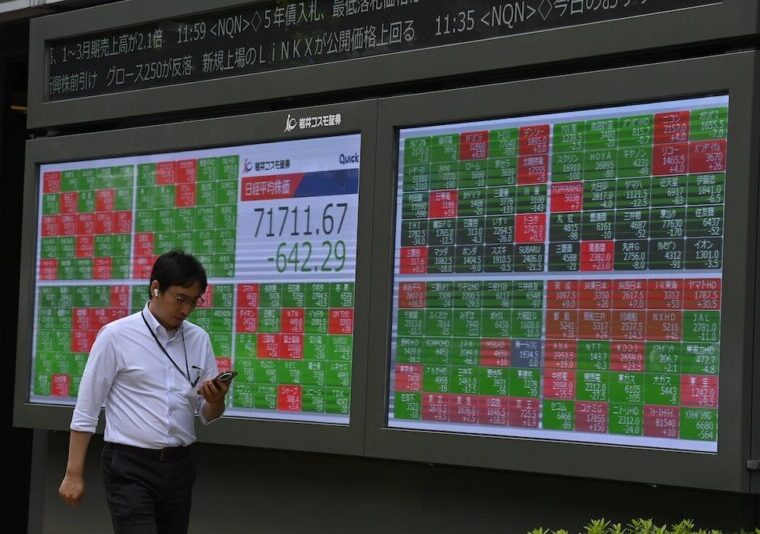
The importance of the Strait of Hormuz and the fact that the main theater of war involves nuclear power plants are bringing new considerations to the global energy equation. In the coming period, rare earth elements, wind energy, and hydrocarbons are expected to become increasingly popular. Conversely, sharp sell-offs and high volatility in financial markets, particularly global stock markets, which began with the outbreak of war, may become more frequent as long as the possibility of conflict persists or a ceasefire cannot be maintained.
The increase in energy prices directly impacts inflation on a global scale. For example, a 10% increase in oil prices is expected to cause a 0.4-point rise in inflation, though the effect may vary from country to another. This situation could prompt central banks, such as the Fed and the ECB, which have signaled interest rate cuts throughout 2024, to exercise caution. Although the market has calmed down from the initial period, also known as the twelve-day war, the continuing tension in the region is critical in terms of monetary policy decisions.
However, as many countries’ currencies, including Turkey’s, depreciate, capital begins to flow into safe havens, particularly U.S. Treasuries and gold. This is a negative development for emerging economies. This volatility could lead to increased inflationary pressure and further fragility in monetary policies in emerging economies. Additionally, increased demand for gold could lead to changes in reserve currency composition.
Examining the situation on a country-by-country basis, Iran, at the center of the war, will have to contend with sanctions, high inflation and unemployment, and new wounds resulting from the war. Targeting the country’s energy infrastructure and banking system could suppress domestic production, leading to higher inflation and unemployment. Israel may also experience a slowdown in growth due to the war’s instability, particularly a decline in tourism revenues.
However, detailed analyses of the war’s impact on the global economy by sources such as Bloomberg Intelligence and Oxford Economics discuss the scenario of a significant contraction in global national income if the war spreads. This contraction could reach approximately $1 trillion by the end of the year if the ceasefire is broken.
Recommended
This war presents both risks and opportunities for Turkey. Strategically located along energy transit routes, Turkey could distinguish itself with its alternative energy routes and natural gas storage capacity. However, rising energy prices could increase the current account deficit and inflation in sectors dependent on imports. Continued geopolitical risks could also reduce tourism capacity. From a diplomatic perspective, Turkey’s visionary foreign policy and commercial diplomatic activities could gain momentum, contributing to regional economic and political stability.
In conclusion, the Iran-Israel war shows that we are facing a new type of war that goes beyond the traditional understanding of security. Energy, finance, cybersecurity, and data traffic are now among the decisive areas of war. This situation necessitates that countries redesign their defense strategies and economic policies to be technology-oriented.
Turkey can clarify its global role by analyzing this new era, becoming a central country in energy transitions, increasing its investments in technology, especially defense technology, developing its capacity in this area, maintaining its position as an exporter, and developing strong defenses against financial fluctuations.
(Originally published in Turkish by Kriter)

He received his bachelor's degree in English Economics from Marmara University in2006, his master's degree in Management Sciences from Gazi University in 2013, and his doctorate in English Finance and Banking from Ankara Yıldırım Beyazıt University in2019. Since beginning his professional career in 2007, he has worked at the Scientific andTechnological Research Council of Turkey (TÜBİTAK), the Central Bank of the Republicof Turkey (TCMB), and the Turkish Energy, Nuclear and Mining Research Institute(TENMAK), holding various managerial positions. Since 2023, he has been working atAnkara Medipol University. His primary areas of research include the financial and governance structures of the real sector and the banking sector, as well as data analytics.
You can see how this popup was set up in our step-by-step guide: https://wppopupmaker.com/guides/auto-opening-announcement-popups/

Stay informed by subscribing to
our weekly newsletter.
You can see how this popup was set up in our step-by-step guide: https://wppopupmaker.com/guides/auto-opening-announcement-popups/
You can see how this popup was set up in our step-by-step guide: https://wppopupmaker.com/guides/auto-opening-announcement-popups/
You can see how this popup was set up in our step-by-step guide: https://wppopupmaker.com/guides/auto-opening-announcement-popups/
You can see how this popup was set up in our step-by-step guide: https://wppopupmaker.com/guides/auto-opening-announcement-popups/