

Trump Mulls Sanctions on EU Officials Over Digital Services Act
The EU might become the latest target for Trump's tariffs aiming at countries that impose taxes on US tech companies.
August 26, 2025
T
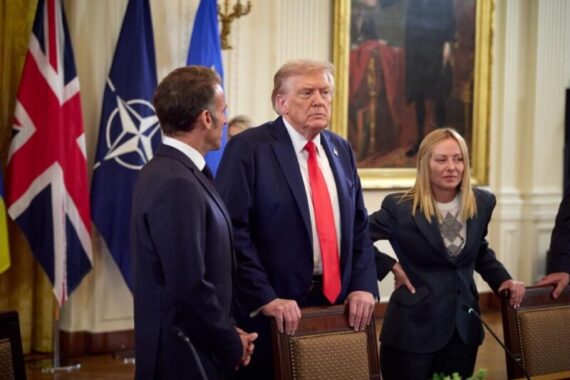
he administration of U.S. President Donald Trump is weighing unprecedented sanctions on European Union or member state officials involved in enforcing the bloc’s landmark Digital Services Act (DSA), two sources familiar with the matter told Reuters. The move would escalate growing tensions between Washington and Brussels over tech regulation and freedom of speech online.
According to the sources, senior State Department officials have held internal meetings to discuss potential punitive measures, which would likely come in the form of visa restrictions. A final decision has not yet been made, and it remains unclear which EU or member state officials would be targeted.
Washington has accused the EU of using the DSA to impose “undue” restrictions on freedom of expression, particularly against conservative voices, and to burden U.S. tech giants such as Meta Platforms, the parent company of Facebook and Instagram. The DSA, which came into force to make online spaces safer, requires tech companies to take stronger action against illegal content, including hate speech and child sexual abuse material.
In early August, Secretary of State Marco Rubio directed U.S. diplomats to lobby European governments and digital services authorities against the legislation. The State Department’s internal cable, seen by Reuters earlier this month, outlined a campaign to have the law amended or repealed.
On Monday, Trump further raised the stakes by threatening countries with digital taxes, warning of “subsequent additional tariffs” on their exports to the U.S. if such measures were not withdrawn. “With this TRUTH, I put all countries with Digital Taxes, Legislation, Rules, or Regulations on notice that unless these discriminatory actions are removed, I… will impose substantial additional tariffs on that country’s exports to the U.S.A., and institute export restrictions on our highly protected technology and chips,” Trump posted on social media.
In February, Trump had already instructed his trade team to revive investigations into countries applying digital service taxes on U.S. tech companies.
The European Commission declined to comment on potential U.S. sanctions but has previously rejected censorship claims. “Freedom of expression is a fundamental right in the EU. It lies at the heart of the DSA,” a Commission spokesperson said. “It sets out rules for online intermediaries to tackle illegal content, while safeguarding freedom of expression and information online.”
Recommended
While trade partners often contest foreign regulations they consider discriminatory, sanctioning government officials over such legislation is extremely rare. The already strained relationship between the Trump administration and the EU has been marked by tariff threats, disputes over digital taxation, and frequent criticism of Europe’s treatment of U.S. tech firms.
The Trump administration has also shown a willingness to interfere in the internal politics of U.S. allies. It previously imposed sanctions on a Brazilian Supreme Court justice overseeing the trial of former Brazilian President Jair Bolsonaro and has accused European authorities of suppressing right-wing voices, including Germany’s AfD party.
Top U.S. officials, including Vice President JD Vance, have repeatedly criticized the EU’s approach, claiming it amounts to “censoring” Americans. European leaders, however, argue the law is designed to keep digital markets open and safe rather than target U.S. companies.
As of now, no final decision on sanctions has been reached, but the possibility reflects the administration’s hardline stance on what it perceives as European overreach in regulating the digital sphere.
(Source: Reuters)

Politics Today is dedicated to publishing insightful analyses in order to understand the changing nature of contemporary politics. It aims to contribute to the sound and constructive discussion of international affairs.
You can see how this popup was set up in our step-by-step guide: https://wppopupmaker.com/guides/auto-opening-announcement-popups/

Stay informed by subscribing to
our weekly newsletter.
You can see how this popup was set up in our step-by-step guide: https://wppopupmaker.com/guides/auto-opening-announcement-popups/
You can see how this popup was set up in our step-by-step guide: https://wppopupmaker.com/guides/auto-opening-announcement-popups/
You can see how this popup was set up in our step-by-step guide: https://wppopupmaker.com/guides/auto-opening-announcement-popups/
You can see how this popup was set up in our step-by-step guide: https://wppopupmaker.com/guides/auto-opening-announcement-popups/

