The Hague Summit: New NATO, New Cold War?

August 15, 2025

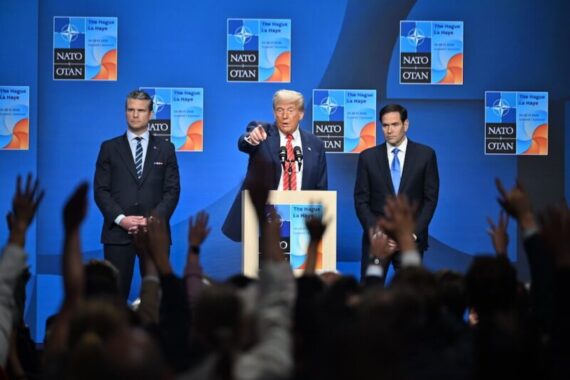
Although Western European countries in particular voiced their objections to increasing defense spending from 2% to 5% of GDP, Trump's determination forced them to commit to a significant increase in defense spending.
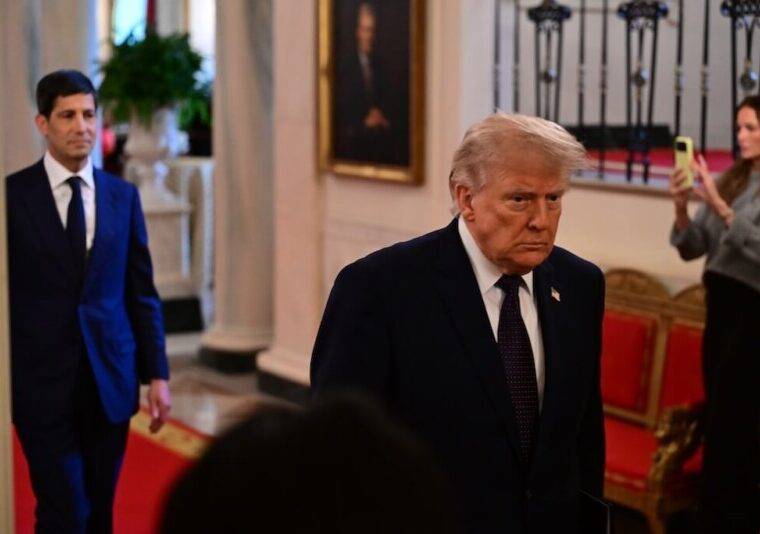
US President Donald Trump held a press conference after the NATO Heads of State and Government Summit in The Hague, Netherlands on June 25, 2025. Photo by Anadolu Images.

T

he latest NATO Summit, held in The Hague on June 24-25, became a stage where new Cold War codes were written, not only in terms of military strategies but also in terms of the global system undergoing restructuring challenges. One of the most striking aspects of the summit was NATO Secretary General Mark Rutte’s stance, which seemed to prioritize loyalty to Trump’s directives over managing a diplomatic flexibility-focused process aimed at achieving the expected outcomes of the summit. At the summit, where the U.S.’s “Cold War 2.0” strategy, represented by Trump and his White House team, was put into action, transatlantic ties between the U.S. and Europe were reshaped, while serious fractures within the alliance were also observed.

With Mark Rutte’s appointment as Secretary General, NATO developed a discourse that was more in line with Washington-centric expectations than its institutional reflexes. Rutte’s use of expressions such as “daddy” when addressing Trump was interpreted not only as pushing the boundaries of politeness in international circles, but also as a sign of changing power relations within NATO. Throughout the summit, Rutte’s rhetoric gave the impression that Trump’s “America First” line, shaped in the 2020s, had taken precedence over NATO’s collective spirit.

It appears that NATO’s traditional balances are being rebuilt around personal loyalty and pragmatic relations between leaders. The content of the Secretary General’s rather candid message to Trump on his way to The Hague, which could potentially offend other member countries to some extent, also seemed to corroborate these interpretations.

The future of NATO’s institutional structure

Leading think tanks and experts in the field of international politics and security emphasize that NATO, which is undergoing its most significant institutional restructuring and reform process since its establishment, must urgently confront two fundamental realities in light of the recent Hague Summit. The first of these is Europe’s assumption of responsibility. With the U.S. shifting its focus to Asia, it is argued that NATO must become more Europe-centric in both cultural and operational terms. Europe’s assumption of the defense burden, defense industry integration, and the strengthening of command structures are now highlighted as a “necessity” rather than a choice. These fundamental realities underscore the fact that it is impossible to achieve results in the design and construction of Europe’s new security architecture without Turkey.

For many NATO countries, it is an indisputable fact that high defense spending targets remain superficial; what really matters is transforming spending into strategic capacity. The lack of institutional integration that has deepened in NATO in recent years requires a focus not only on spending money but also on competence, joint training, logistics, and the creation of common defense industry policies. Experts also remind us that defense industry integration and innovation must be brought to the center of NATO’s agenda for defense spending to be meaningful. Strengthening joint Research and Development (R&D), supply chains, and production infrastructure among NATO member countries is a key step toward achieving new goals. To this end, it is necessary to set aside prejudices, double standards, and insincerity in allied relations and focus on these goals with conviction.

The “percentage commitment” to be reviewed in 2029 and planned to be achieved by 2035 requires a repeatable, accountable planning system that necessitates a new type of “Long-Term Institutional Roadmap” in NATO’s institutional memory. Again, expert organizations confirm that the uncertainty of U.S. leadership due to Trump’s erratic stance and the U.S.’s tendency to reduce its military presence in Europe underscore the urgency of institutionalizing NATO’s Europe-centric defense capabilities. This issue should never be interpreted as merely increasing defense spending.

Beyond this, European NATO member states urgently need to develop rapid decision-making mechanisms among themselves and strengthen their strategic autonomy and operational resilience infrastructure. Finally, if U.S. military assets are shifted to the Asia-Pacific region for a long-term conflict with China, it will be vital for countries such as Turkey and the United Kingdom to strengthen their NATO-based command, control, intelligence, and surveillance (C4ISR) capabilities in Europe. The meaning of the statement in the U.K.’s report published during the summit about rapidly deepening strategic cooperation with Turkey is thus made clearer. These steps mean that the alliance’s communication and early warning systems will be based on a technical foundation.


A Return to the “spirit of 1949” in military spending

It is common knowledge that Trump was demanding NATO countries allocate 5 percent of their national income to defense, rather than 2 percent, ahead of the summit. Trump is essentially calling for a return to NATO’s spending paradigm from 1949 to 1980. During that period, the intensity of the previous Cold War forced member states to incur high military expenditures.

Today, Trump wants European countries, which are facing economic bottlenecks and demands for social welfare spending, to accept the previous Cold War spending model once again. Countries such as Germany, France, and Italy are facing difficulties in their domestic politics in response to these demands, while Baltic countries and eastern members such as Poland, which are already sufficiently concerned about the war in Ukraine, are naturally closer to the U.S. line.

Spain, Belgium, and the Netherlands, on the other hand, had clearly objected to this 5 percent rate from the outset. In particular, Spanish Prime Minister Sanchez was left somewhat isolated during the summit due to his country’s strong objections, while Erdoğan expressed diplomatic closeness during this process. On the final day of the summit, the three countries were convinced to agree to a compromise with the conditions of gradual increases and defense content. Of course, there are serious economic and structural obstacles to Europe achieving these targets.

Annual defense budget

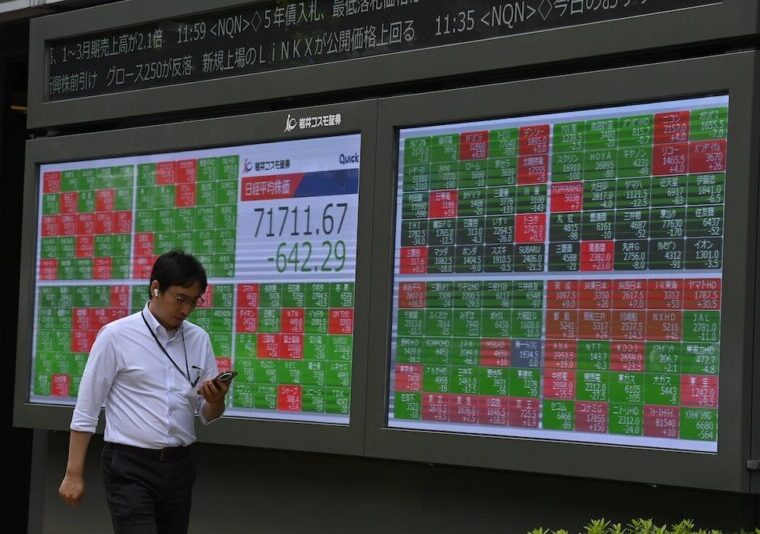
Analyses by international think tanks suggest that, with European countries already under budgetary pressure due to rising social security and health care expenditures caused by an aging population, increasing defense spending to 5% of GDP does not seem realistic for most countries at this stage. International think tanks emphasize that expenditures on this scale would only be possible if defense were jointly financed as a “European public good.” The average military expenditure rate of EU countries currently stands at 1.8%, and the 5% target would translate to an annual defense budget of 900 billion euros.

Reaching this level seems possible for European countries with high public debt, particularly through new taxes, cuts in social spending, or further borrowing. Although military spending in Europe increased by 17 percent to $693 billion due to the Russia-Ukraine war, a major expansion of production infrastructure and qualified human resources is needed for this increase in resources to translate into defense capacity. Experts emphasize that European leaders must convince the public in order for this goal to gain political legitimacy. The 5% target discussed at the NATO summit represents an ambitious and multifaceted challenge that pushes Europe’s economic and social boundaries.

Although Western European countries in particular voiced their objections to increasing defense spending from 2% to 5% of GDP, Trump’s determination forced them to commit to a significant increase in defense spending. Trump clearly told Europe, “If you want me to continue protecting you against Russia, which you see as a major threat, then put your money where your mouth is, or else you’re on your own.” The NATO Secretary General’s report that the Russian threat has the potential to become a threat to the whole of Europe, going beyond Ukraine in the next five years, has undoubtedly had an impact. Let us not forget that between 1950 and 1990, the ratio of defense spending to GDP in the United Kingdom, France, and Germany ranged from 12% to 3.5%, albeit decreasing. It then rapidly declined to around 2%.

Are Russia and China the target in the new cold war?

For some time now, we have been stating in our articles that the Cold War period, which began with the fall of the Berlin Wall and ended with the collapse of the Soviet Union in 1991, was not deliberately ended by a group of elitist politicians and bureaucrats in Washington. On one side, neoconservatives, and on the other, neoliberal “extreme” democratic elites deliberately kept the Cold War era’s black propaganda and operational institutions and apparatus alive, using them in the 2000s to spread disinformation and create internal turmoil in many countries.

Although Trump attempted to put an end to this process and bring the Pentagon into line during his first term as president, he lacked the political power to do so. However, when he was re-elected for a second term with greater strength, he managed to disable or silence the corrupt institutions and apparatus of the previous Cold War era as much as he could.

The recent NATO Summit in The Hague marks the beginning of a second Cold War era, or in other words, a “new” Cold War era. With the collapse of the Soviet Union in 1991, the relaxation and instability observed on the European front of the Atlantic Alliance, along with the weakness of military deterrence; and in light of the 1990s’ tragedies that we do not even want to remember, such as the Rwandan Genocide and the Srebrenica Massacre in the former Yugoslavia, the impotence of Europe’s military presence was short of expectations.

U.S. and Turkey

In many internal conflicts and humanitarian crises around the world, the interventions of NATO’s two strongest armies, the U.S. and Turkey, brought an end to many humanitarian crises. For this reason, Trump, who was re-elected for a second term with a stronger mandate, said, “Either NATO’s deterrence power is strengthened, or we are out.”

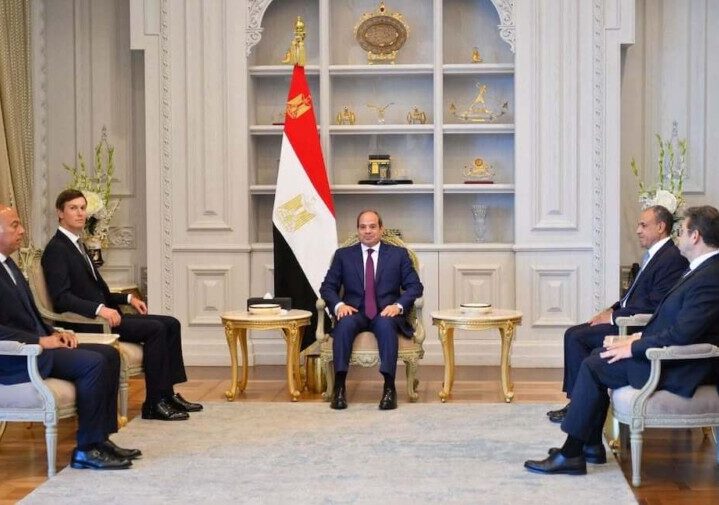
Turkey, which has continued to strengthen its military deterrence since 1991 and has taken historic steps in the last 15 years, has always been among the top three countries with the most striking capabilities in NATO. This is despite being left alone in its fight against terrorism, despite Article 5, and despite obstacles to the trade of defense industry products. For this reason, Erdoğan emphasized the importance of Turkey taking the lead in reflecting the understanding that obstacles to the trade of defense products should be removed without exception or reservation in the alliance documents, if the recent Hague summit marks the beginning of a new understanding for NATO member countries.

Erdoğan stated that although terrorism is one of NATO’s two main threats, the fight can only be successful with the sincere solidarity of allies, and therefore they ensured that this threat was reflected in the summit declaration. We are entering a period in which Turkey will assume much more critical roles in NATO and Europe’s new security architecture. While following the clues of the “new” Cold War era, one asks whether the new targets will be Russia and China at the same time.

China and Russia

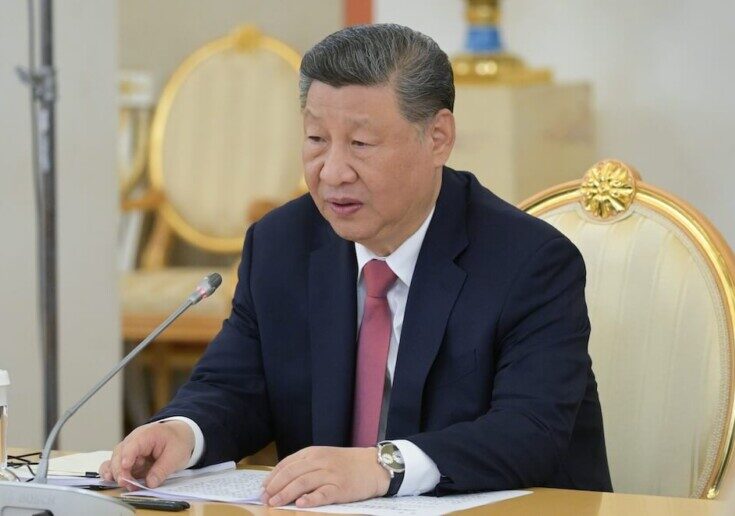
With the Hague Summit, China has joined Russia on NATO’s target list. However, the U.S. has not been able to fully convince either the U.K. or the European Union that China poses a global security threat. Many EU countries continue to maintain a distance due to their economic ties with China. This situation also shows that NATO is experiencing a deep crisis in defining common threats. NATO’s expansion policy and strategy of encircling Russia are no longer considered sufficient; there is currently no common stance against China. Trump’s soft rhetoric toward Russia and his efforts to quickly end the war in Ukraine may also signal a strategic maneuver.

Trump wants to break Russia’s strategic dependence on China. Therefore, ending the war in Ukraine is seen as a means to partially reintegrate Russia into the Western system and distance it from China. This approach is viewed with suspicion by some NATO members. However, it appears that Trump is seeking to reach an agreement with Russia behind closed doors with proposals for a new Minsk Agreement-style solution. Amid all these strategic maneuvers, the U.S.’s policy toward China is shaped not only by security threats but also by commercial expectations. It is no secret that the U.S. is pursuing new energy export agreements with China worth between $100 billion and $150 billion. This creates a serious contradiction between the Pentagon’s military threat analyses regarding China and the economic interests of American business. As a result, the U.S. finds itself in a contradictory position, viewing China as both a strategic rival and a major customer.

The Hague Summit showed that NATO has transformed from a classic security alliance into a platform for negotiations between major powers. It is as if a new Cold War is being staged; however, 80 years later, this time in a more complex world with more actors and more intense economic dependencies. The U.S. wants to win on every front. But it is also faced with the impossibility of being everywhere at once. Europe, meanwhile, has yet to make a clear decision. The 2025 NATO Summit is a turning point in this regard; it may even be remembered as the starting point of Cold War 2.0 in the future. For this reason, the NATO Summit to be held in Turkey in 2026 will be even more critical than the 2025 summit, a summit where historic decisions will be made, and the entire world will watch with bated breath.

Kerem Alkin is an ambassador, economist and a writer who holds a BA in Management as well as an MA and a PhD in Economics from Istanbul University.