Trump Reimposes Sweeping Tariffs, Reshaping U.S. Trade Policy
Trump increased Canadian tariffs from 25 percent to 35 percent, accusing Ottawa of failing to stem the flow of fentanyl and other synthetic opioids into the U.S.
August 1, 2025
I
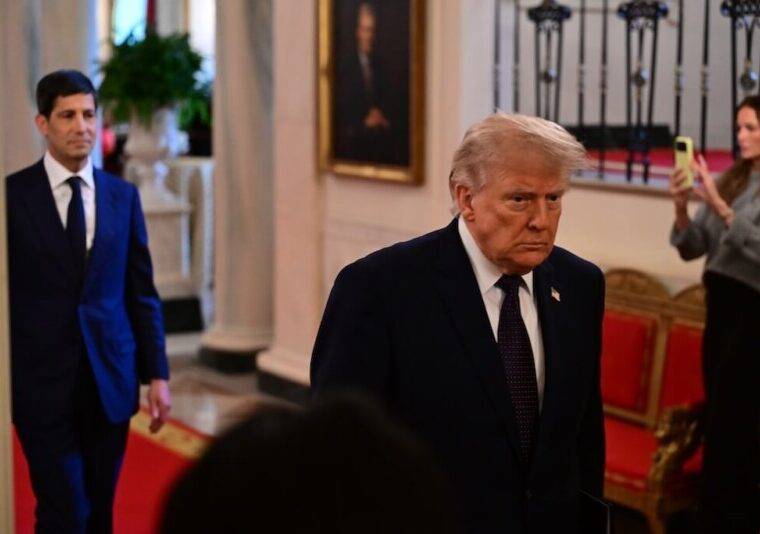
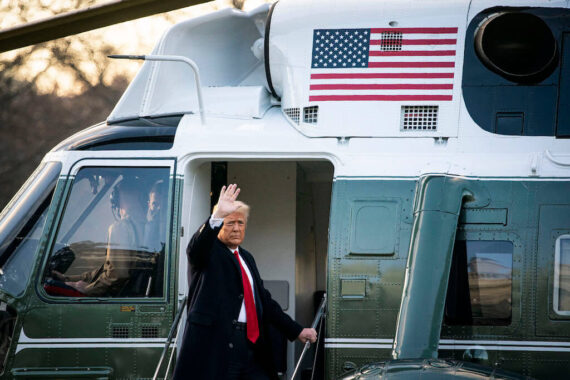
n a major policy move with wide-ranging global repercussions, U.S. President Donald Trump has reimposed tariffs on imports from nearly 70 countries, reviving and expanding a central theme of his “America First” trade strategy. The new tariffs, formalized in an executive order signed on July 31, range from 10 percent to 41 percent and target some of the United States’ closest trading partners, as well as traditional adversaries.
Citing the “continued lack of reciprocity in our bilateral trade relationships,” Trump justified the move as necessary to address what he described as an ongoing national emergency under Executive Order 14257. The tariffs, described by the White House as “reciprocal duties,” are structured to penalize countries where the U.S. maintains a trade deficit while rewarding those with favorable trade balances.
While most of the tariffs are scheduled to go into effect on August 7, tariffs on Canada took effect immediately on August 1. Trump increased Canadian tariffs from 25 percent to 35 percent, accusing Ottawa of failing to stem the flow of fentanyl and other synthetic opioids into the U.S.
In a separate fact sheet, the administration outlined specific grievances with Canada’s border enforcement and cooperation on drug trafficking. The sharp escalation drew criticism from Canadian officials, though Prime Minister Justin Trudeau has yet to comment publicly.
Among the 69 countries affected, tariff rates vary dramatically. U.S. allies like the United Kingdom and Australia received baseline 10 percent tariffs, while others saw significantly higher rates:
The inconsistent rates have confounded trade analysts. Deborah Elms, head of trade policy at the Hinrich Foundation, called the formula “illogical and politically motivated.” She told Al Jazeera, “The original formula may have been flawed, but it had internal coherence. This new list appears arbitrary.”
According to Steve Okun, CEO of APAC Advisors, “Each country gets its own tariff rate based on the president’s current view—trade-related or not. There’s no overarching trade theory here.”
Countries such as Bosnia and Herzegovina, Algeria, South Africa, and Libya also face tariffs of 30 percent or more, despite having relatively modest trade volumes with the U.S.
Despite the sharp rhetoric and steep penalties, the administration left the door open for negotiations. With tariffs on most countries delayed until August 7, the White House appears to be inviting last-minute bargaining. Inu Manak, a trade expert at the Council on Foreign Relations, explained: “Countries already in talks with the U.S. now have a week to finalize a deal and avoid being hit.”
The Trump administration has already concluded new trade arrangements with several partners, including, the European Union, the United Kingdom, Japan, South Korea, Vietnam, the Philippines, Cambodia, Indonesia, Thailand and Pakistan.
These agreements reportedly involve changes in market access, rules of origin, and sectoral protections in exchange for lower tariffs.
China and Mexico: High Stakes, Different Timelines
Two of the world’s largest exporters to the United States—China and Mexico—were notably absent from the current tariff list. But both are under pressure.
Following a high-level meeting in Stockholm, China has until August 12 to strike a new deal with Washington or face a 30 percent blanket tariff on most exports. The stakes are especially high given the fragility of the global economy and China’s export dependence.
Meanwhile, Mexican President Claudia Sheinbaum secured a 90-day extension on tariff increases after a direct call with Trump. According to a statement from Sheinbaum, the two leaders agreed to continue dialogue to forge a long-term agreement.
The White House also announced forthcoming changes to rules of origin, designed to curb the use of third-country transshipment to evade tariffs. Goods shipped indirectly to the U.S. will now face stricter documentation and inspection, with full technical guidelines expected later in August.
While aimed at stopping trade circumvention, these changes could disrupt supply chains, especially in electronics, textiles, and auto parts—sectors that rely on complex cross-border production.
Recommended
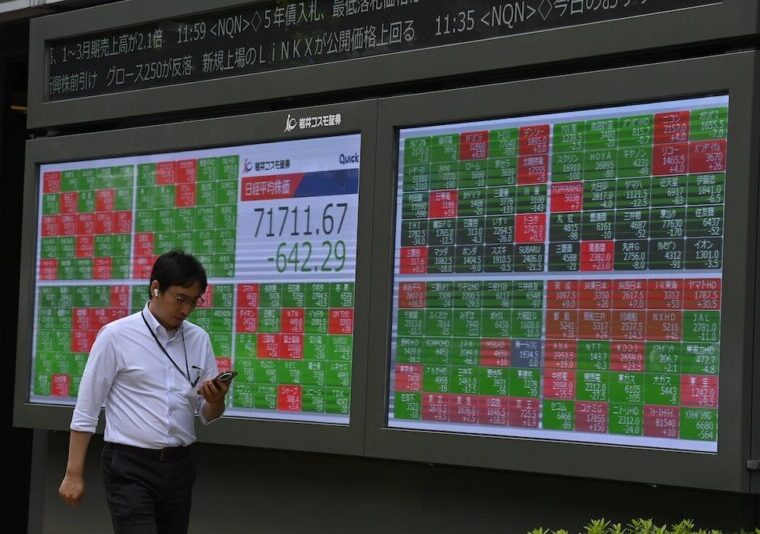
The latest tariffs come as Trump ramps up his 2026 midterm campaign messaging, appealing to working-class voters and manufacturing states. He has positioned tariffs as a tool for economic sovereignty, national security, and job creation.
However, economists and industry leaders warn that the long-term impact could be harmful. Sectors such as construction, retail, automotive, and manufacturing are likely to experience rising costs, which could trickle down to consumers.
The international backlash has already begun. Several governments have hinted at retaliation or WTO challenges. Trade experts warn of renewed trade wars, higher inflation, and decreased investor confidence if escalation continues.
Trump’s tariffs mark a significant shift away from the multilateralism that has underpinned global trade since World War II. Instead, the administration is embracing a transactional, country-by-country approach that prioritizes bilateral deals over global consensus.
“There is no longer one U.S. trade policy,” said Deborah Elms. “There are 70 U.S. trade policies—one for each country.”
With just days left before many of the tariffs take effect, the world’s trading partners are scrambling to renegotiate terms, challenge the measures, or brace for economic fallout. For Trump, the tariffs represent strategic leverage. For others, they may usher in a new era of global economic uncertainty.
ٍ(Source: Aljazeera)

Politics Today is dedicated to publishing insightful analyses in order to understand the changing nature of contemporary politics. It aims to contribute to the sound and constructive discussion of international affairs.
You can see how this popup was set up in our step-by-step guide: https://wppopupmaker.com/guides/auto-opening-announcement-popups/

Stay informed by subscribing to
our weekly newsletter.
You can see how this popup was set up in our step-by-step guide: https://wppopupmaker.com/guides/auto-opening-announcement-popups/
You can see how this popup was set up in our step-by-step guide: https://wppopupmaker.com/guides/auto-opening-announcement-popups/
You can see how this popup was set up in our step-by-step guide: https://wppopupmaker.com/guides/auto-opening-announcement-popups/
You can see how this popup was set up in our step-by-step guide: https://wppopupmaker.com/guides/auto-opening-announcement-popups/