Trump Signals Extended Timeline for Iran Offensive
Trump outlined three primary objectives: destroying Iran’s missile infrastructure, crippling its naval forces, and preventing Tehran from obtaining a nuclear weapon.
March 3, 2026
U
.S. President Donald Trump said Monday that the ongoing American military operation in Iran, dubbed Operation Epic Fury, could extend beyond its initial projected timeline of four to five weeks, pledging to continue the campaign “as long as it takes” to meet U.S. objectives.
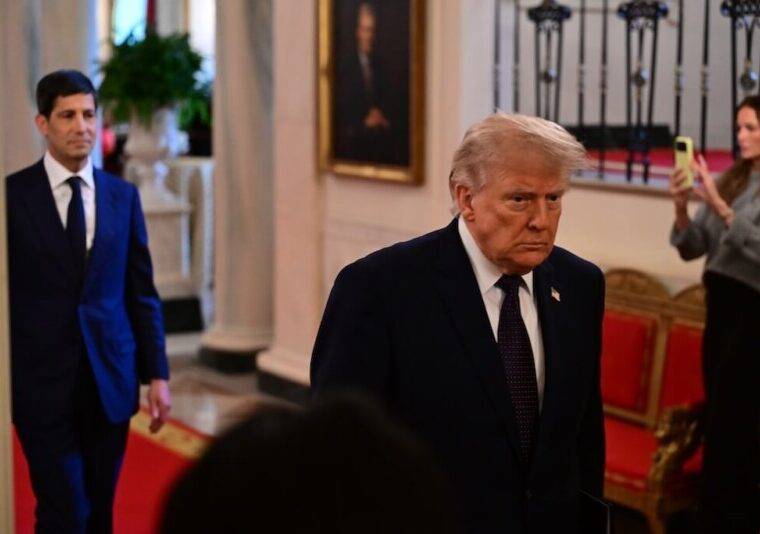
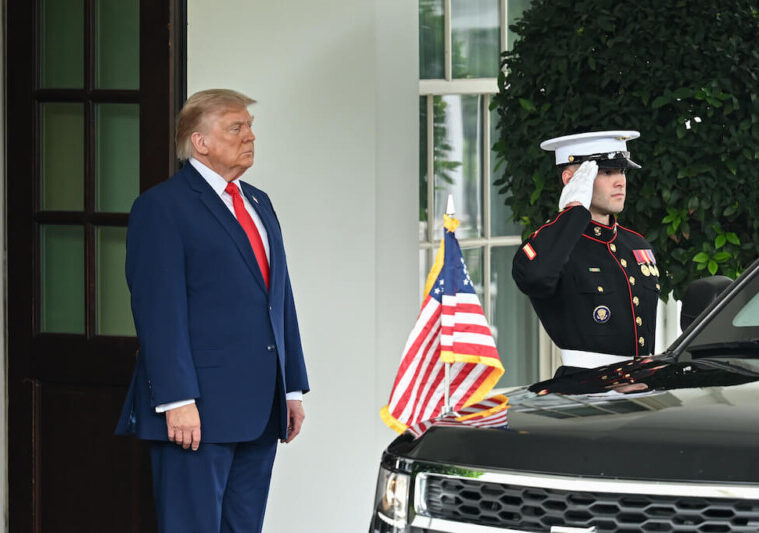
Speaking at a White House ceremony, Trump said the operation, which began on February 28 alongside Israeli forces, is currently moving “ahead of schedule” but warned that its duration would depend on the dismantling of Iran’s missile and naval capabilities.
“We projected four to five weeks, but we have capability to go far longer than that. We’ll do it,” Trump said, framing the offensive as necessary to eliminate what he described as an urgent and expanding threat posed by Iran’s ballistic missile program.
Trump outlined three primary objectives: destroying Iran’s missile infrastructure, crippling its naval forces, and preventing Tehran from obtaining a nuclear weapon.
“Our objectives are clear. First, we’re destroying Iran’s missile capabilities,” he said. “Second, we’re annihilating their navy. We’ve knocked out already 10 ships. They’re at the bottom of the sea.”
The president reiterated his longstanding vow that Iran would “never” acquire nuclear weapons, calling the current offensive the United States’ “last best chance” to eliminate what he described as intolerable threats.
The joint U.S.-Israeli strikes have marked a dramatic escalation in regional tensions. Israel launched its own campaign, Operation Lion’s Roar, under Prime Minister Benjamin Netanyahu, declaring a state of emergency nationwide.
According to U.S. officials, four American service members were killed on the third day of operations, as confirmed by United States Central Command (CENTCOM). Trump offered condolences to their families and pledged to continue the campaign with “ferocious, unyielding resolve.”
Recommended
U.S. Secretary of State Marco Rubio defended the strikes as a preemptive move intended to reduce American casualties.
“We knew that there was going to be an Israeli action,” Rubio told reporters on Capitol Hill before briefing congressional leaders. “We knew that would precipitate an attack against American forces. And we knew that if we didn’t preemptively go after them … we would suffer higher casualties.”
Rubio described the threat from Iran as “imminent,” arguing that Washington acted proactively “in a defensive way.” He added that “the hardest hits are yet to come” and signaled that further escalation remains possible.
However, media reports citing Pentagon briefings to congressional staff suggested that U.S. intelligence had not indicated Iran was preparing to strike American forces first, raising questions about the justification for the preemptive action.
The strikes came amid ongoing nuclear negotiations between Washington and Tehran mediated by Oman, with a recent round of talks concluding in Geneva just days before the military escalation.
The New York Times reported that Netanyahu had urged Trump to deliver a decisive military blow and avoid allowing renewed diplomacy to delay action.
As combat operations continue, the timeline remains uncertain. “How long will it take? I don’t know,” Rubio said. “We have objectives. We will do this as long as it takes.”
(Source: Anadolu Agency)

Politics Today is dedicated to publishing insightful analyses in order to understand the changing nature of contemporary politics. It aims to contribute to the sound and constructive discussion of international affairs.
You can see how this popup was set up in our step-by-step guide: https://wppopupmaker.com/guides/auto-opening-announcement-popups/

Stay informed by subscribing to
our weekly newsletter.
You can see how this popup was set up in our step-by-step guide: https://wppopupmaker.com/guides/auto-opening-announcement-popups/
You can see how this popup was set up in our step-by-step guide: https://wppopupmaker.com/guides/auto-opening-announcement-popups/
You can see how this popup was set up in our step-by-step guide: https://wppopupmaker.com/guides/auto-opening-announcement-popups/
You can see how this popup was set up in our step-by-step guide: https://wppopupmaker.com/guides/auto-opening-announcement-popups/