

WMO Report Warns of Increasingly Erratic Global Water Cycle
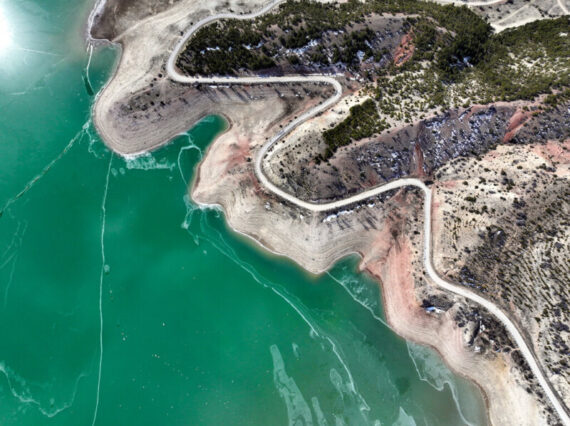
Over-extraction and persistent drought further strained supplies in regions like Africa, the Americas, and Australia.
September 19, 2025
T
he world’s water cycle is becoming more unstable, swinging between devastating droughts and destructive floods, according to the State of Global Water Resources 2024 report released today by the World Meteorological Organization (WMO).
The report highlights that only about one-third of global river basins experienced “normal” conditions last year, marking the sixth year in a row of widespread imbalance. Severe droughts gripped the Amazon Basin, southern Africa, and northern South America, while parts of Africa, Central Europe, and Asia endured unusually wet conditions.
“Water sustains our societies, powers our economies and anchors our ecosystems. And yet the world’s water resources are under growing pressure,” said WMO Secretary-General Celeste Saulo. “At the same time, more extreme water-related hazards are having an increasing impact on lives and livelihoods.”
The study links these extremes to a combination of climate change and the year’s record-breaking El Niño, which disrupted rainfall across continents. Europe faced its worst flooding since 2013, while Africa’s tropical zone saw heavy rains that killed 2,500 people and displaced 4 million. In Brazil, catastrophic floods in the south coincided with ongoing drought in the Amazon, affecting nearly 60% of the country.
Glaciers also continued to shrink at alarming rates, losing an estimated 450 gigatons of ice in 2024—the third consecutive year of widespread loss. This annual melt, equivalent to filling 180 million Olympic swimming pools, added about 1.2 millimeters to global sea levels, heightening risks for coastal communities.
Groundwater levels showed similar instability, with just 38% of wells worldwide recording normal conditions. Over-extraction and persistent drought further strained supplies in regions like Africa, the Americas, and Australia.
The WMO warned that nearly 3.6 billion people already face water scarcity at least one month a year, a figure projected to rise to over 5 billion by 2050. Saulo called for urgent investment in monitoring, data-sharing, and cooperation: “Reliable, science-based information is more important than ever before because we cannot manage what we do not measure. Without data, we risk flying blind.”
The annual report, based on satellite observations, hydrological modeling, and contributions from WMO members, aims to provide decision-makers with authoritative insights into global freshwater trends. It is part of the UN agency’s broader effort to strengthen water security and resilience in the face of mounting climate risks.
Recommended
“Water sustains our societies, powers our economies, and anchors our ecosystems. And yet the world’s water resources are under growing pressure, and—at the same time—more extreme water-related hazards are having an increasing impact on lives and livelihoods,” said WMO Secretary-General Celeste Saulo.
The report highlights escalating pressure on freshwater sources as climate change intensifies, with only one-third of river basins worldwide experiencing “normal” conditions last year — the sixth consecutive year of imbalance.
The Amazon Basin and southern Africa endured severe drought, while central and eastern Africa, Central Europe, and parts of Asia were hit with unusually heavy rainfall. Extreme weather events took a devastating toll:
Africa’s tropical zone floods killed 2,500 people and displaced 4 million, Europe saw its worst flooding since 2013, and Brazil suffered both catastrophic floods in the south and a prolonged Amazon drought affecting nearly 60% of its territory.
Saulo stressed the urgency of closing monitoring gaps: “Reliable, science-based information is more important than ever before because we cannot manage what we do not measure. Continued investment and enhanced collaboration in data sharing are vital. Without data, we risk flying blind.”
The WMO urged governments to invest in monitoring systems and adopt integrated water management strategies, warning that worsening instability in the water cycle poses a growing threat to global health, food security, and economic stability.
(Source: WMO)

Politics Today is dedicated to publishing insightful analyses in order to understand the changing nature of contemporary politics. It aims to contribute to the sound and constructive discussion of international affairs.
You can see how this popup was set up in our step-by-step guide: https://wppopupmaker.com/guides/auto-opening-announcement-popups/

Stay informed by subscribing to
our weekly newsletter.
You can see how this popup was set up in our step-by-step guide: https://wppopupmaker.com/guides/auto-opening-announcement-popups/
You can see how this popup was set up in our step-by-step guide: https://wppopupmaker.com/guides/auto-opening-announcement-popups/
You can see how this popup was set up in our step-by-step guide: https://wppopupmaker.com/guides/auto-opening-announcement-popups/
You can see how this popup was set up in our step-by-step guide: https://wppopupmaker.com/guides/auto-opening-announcement-popups/

