26 EU Countries Call for Respect for International Law As Maduro Pleads Not Guilty
Hungary did not support the EU statement on Venezuela, standing apart from the rest of the EU.
January 6, 2026
T
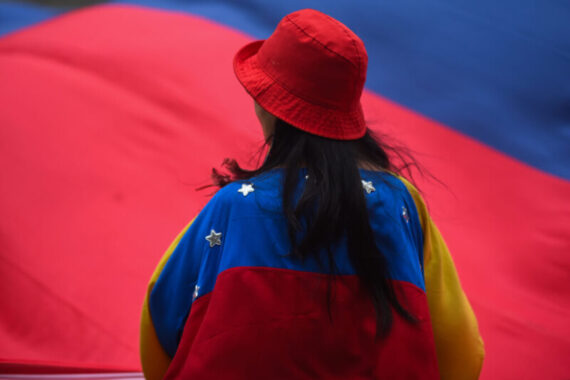
wenty-six European Union member states on Sunday urged calm and restraint following recent US military action in Venezuela, stressing the need to uphold international law and the principles of the United Nations Charter.
In a joint statement issued by EU foreign policy chief Kaja Kallas, the bloc said escalation must be avoided and emphasized that all actors are bound by international legal norms, regardless of circumstances. Hungary did not support the statement, standing apart from the rest of the EU.
“The European Union calls for calm and restraint by all actors, to avoid escalation and to ensure a peaceful solution to the crisis,” the statement said. It added that respect for international law and the UN Charter remains a cornerstone of global security.
The statement recalled the “particular responsibility” of UN Security Council members to uphold international law, describing it as a pillar of the international security architecture. It underscored the EU’s longstanding position that the erosion of legal norms risks destabilizing the global order.
The EU reiterated its stance that Venezuelan President Nicolas Maduro lacks democratic legitimacy and reaffirmed support for a peaceful, Venezuelan-led transition to democracy that respects the country’s sovereignty.
“The right of the Venezuelan people to determine their future must be respected,” the statement said, while stressing that any resolution to the crisis must be inclusive, democratic and negotiated by Venezuelans themselves.
While condemning transnational organized crime and drug trafficking, the EU emphasized that such challenges must be addressed through sustained international cooperation conducted in full respect of territorial integrity and national sovereignty.
The bloc said it remains in close contact with the United States, as well as regional and international partners, to support dialogue among all parties involved. The objective, it said, is to facilitate a negotiated and peaceful solution to the crisis.
The statement also called for the unconditional release of all political prisoners in Venezuela and confirmed that EU member states’ consular authorities are coordinating closely to ensure the safety of EU citizens, including those allegedly detained unlawfully.
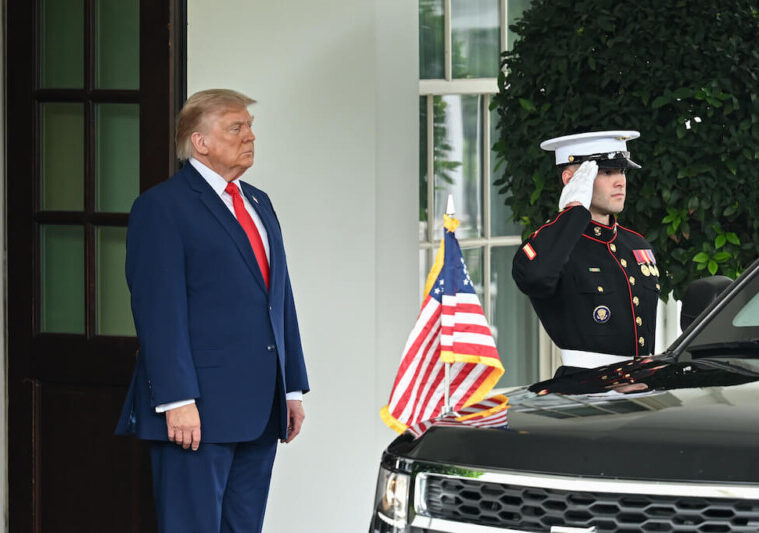
The EU statement followed remarks by US President Donald Trump, who said that US military action in Venezuela resulted in the capture of Maduro and his wife, Cilia Flores. Trump also said Washington would assert control over Venezuela “for the time being,” including through the deployment of US troops if necessary.
Maduro and Flores were transferred to New York late Saturday and are being held at a federal detention facility in Brooklyn. They face US charges related to drug trafficking and alleged cooperation with criminal groups designated as terrorist organizations.
Maduro has denied all accusations, describing the operation as a kidnapping and insisting he remains Venezuela’s legitimate president. Officials in Caracas have called for his release.
Recommended
On Monday, Maduro pleaded not guilty to multiple narcotics-related charges during a court appearance in Manhattan, where he appeared shackled and wearing prison attire. His wife also entered a not-guilty plea. The next court date was set for March 17.
Maduro told the court he was innocent and said the charges were politically motivated. His defense lawyer said the case would involve extensive legal challenges, particularly concerning what he described as an unlawful military abduction.
Hours later, Venezuela’s Vice President Delcy Rodriguez was sworn in as interim president in Caracas. While expressing support for Maduro, she gave no indication that her administration would directly confront the US operation.
The US has long considered Maduro an illegitimate leader following the 2018 election. However, legal experts and several governments have questioned the legality of capturing a sitting head of state, warning that the move could undermine the rules-based international order.
Russia, China and several Latin American allies of Venezuela condemned the US action, while the UN Security Council convened to debate its broader implications.
Despite international concern, the Trump administration has defended the operation as lawful and necessary, framing it as part of a broader campaign against international drug trafficking.
As uncertainty surrounds Venezuela’s political future, the EU reiterated that restoring democracy, respecting sovereignty and upholding international law must remain central to any resolution of the crisis.
(Source: Anadolu Agency and Reuters)

Politics Today is dedicated to publishing insightful analyses in order to understand the changing nature of contemporary politics. It aims to contribute to the sound and constructive discussion of international affairs.
You can see how this popup was set up in our step-by-step guide: https://wppopupmaker.com/guides/auto-opening-announcement-popups/

Stay informed by subscribing to
our weekly newsletter.
You can see how this popup was set up in our step-by-step guide: https://wppopupmaker.com/guides/auto-opening-announcement-popups/
You can see how this popup was set up in our step-by-step guide: https://wppopupmaker.com/guides/auto-opening-announcement-popups/
You can see how this popup was set up in our step-by-step guide: https://wppopupmaker.com/guides/auto-opening-announcement-popups/
You can see how this popup was set up in our step-by-step guide: https://wppopupmaker.com/guides/auto-opening-announcement-popups/