The End of an Illusion in Global Politics
The illusion of "order" created by Western countries around international law and the aforementioned values is being questioned.
January 2, 2026
Recent developments in world politics mark a crucial turning point regarding the establishment of a global political system based on international law. Following World War II, unprecedented initiatives were undertaken to establish a common legal framework at the global level under the United Nations and at the regional level under the European Union. With the aim of preserving global peace, states came together and declared their will for law, not power, to be the determining factor in international relations and they established institutional mechanisms to ensure this.
The common legal framework established under the European Union umbrella and continuously developed since then has indeed been successful in fostering peace among its members. EU countries, which were in a constant state of tension, conflict, and war until the mid-20th century, have not been at war with each other for 80 years, and there is no risk of armed conflict between them. After initially implementing economic integration, member states gradually extended it to the political sphere and security policies. They are also working to establish a common stance toward the outside world.
However, cooperation initiatives on maintaining peace at the UN level have not been as successful as those of the EU. During the post-World War II period, also known as the UN System, many wars involving global and regional actors occurred, notably in Korea, Vietnam, Afghanistan, Yugoslavia, and Iraq. However, significant steps were also taken toward the peaceful resolution of conflicts and the development of international law. Agreements such as the Strategic Arms Limitation Talks (SALT) and the Strategic Arms Reduction Talks (START) were signed to limit and reduce nuclear weapons, and environmental protection agreements such as the Paris Climate Agreement were established. Global judicial institutions such as the International Criminal Court (ICC) were also formed.
During this period, the West—primarily the United States—was the decisive actor in the global political system. Western countries promoted the image that they upheld international law and defended values such as democracy and liberalism. They argued that an increase in democratic countries with liberal values would make the world more peaceful. They also propagated the idea that international law should be the main element in interstate relations, even though they often violated it themselves. Western academics even proposed the Democratic Peace Theory, which claims that democratic countries pursue more peaceful foreign policies and find it more difficult to decide to go to war.
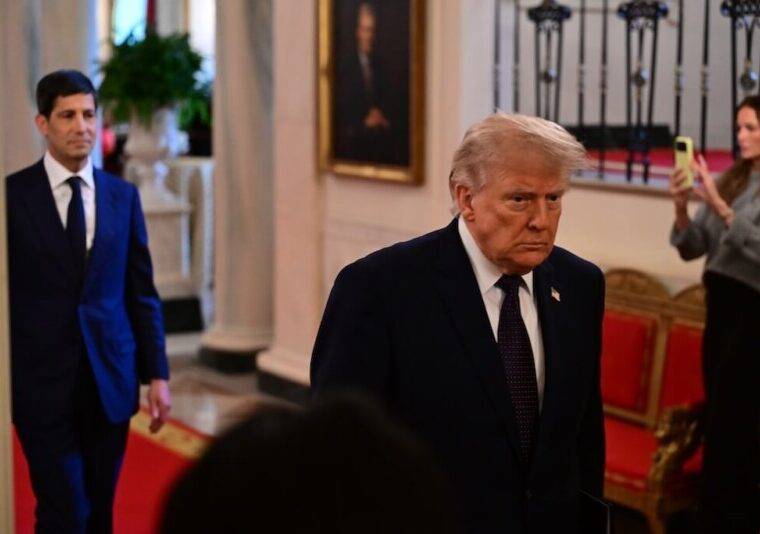
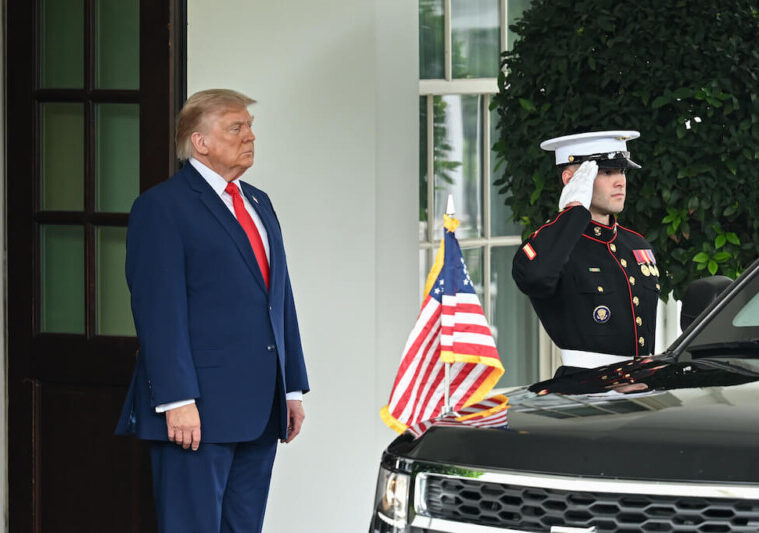
At this point, however, it is clear that the U.S. no longer values or promotes international law, human rights, liberalism, or democracy. The U.S. increases its military spending significantly every year, pressures other NATO countries to do the same, threatens other countries with military force, and wants to forcibly take Greenland from Denmark, a NATO ally. The U.S. also says it wants to see Canada, another NATO member, as the 51st American state. The U.S. threatens its allies with economic sanctions, shoots down ships in the Caribbean on the grounds that they are carrying drugs, carries out summary executions, threatens to attack Venezuela, and amasses its navy off the country’s coast to attempt to seize its oil reserves.
The U.S. also unilaterally withdraws from agreements, such as the one with Iran, and imposes sanctions that would collapse the country’s economy. The U.S. supports Israel’s war of aggression, bombs Iran’s nuclear facilities, enables Israel’s genocide against the people of Gaza by supplying weapons and providing economic and diplomatic support, and withdraws from international institutions, such as UNESCO and the World Health Organization, and withdraws from international agreements such as the Paris Climate Agreement. President Trump talks about bringing peace to Gaza and Ukraine, but what he presents as peace is nothing more than surrender on the terms imposed by powerful aggressors.
These examples clearly demonstrate the U.S.’s understanding of peace and the type of global political system it desires: One in which the powerful impose their terms on the weak and get what they want. This is not a new phenomenon; international relations have always been shaped by power. Following the catastrophic events of World War II, including the use of nuclear weapons and the loss of approximately 80 million lives, Western countries created the illusion that diplomacy and dialogue would be fundamental to international relations. They believed that problems would be solved through peaceful means rather than force and that the use of military force would only be legitimate in cases of self-defense and with a UN Security Council resolution.
During this period, centered around the UN, the concepts of international law, human rights, democracy, and liberalism were used as tools to intervene in other countries. American interventions in Korea, Vietnam, Afghanistan, Iraq, Chile, Cuba, Panama, Nicaragua, and many other countries were justified by the stated objectives of bringing democracy, protecting human rights, preventing violations of international law, and intervening against terrorism.
These justifications, used by Western countries in particular to mask their military, economic, and diplomatic interventions and pressures, have given rise to a substantial body of literature in International Relations centered on these concepts. One could argue that this literature has convinced some audiences that international relations are shaped by law and that Western countries base their foreign policies on democracy, human rights, and liberal values.
However, Israel’s two-year genocide in Gaza, supported by the U.S. and other Western countries, coupled with this aggressive alliance’s simultaneous attacks on Lebanon, Syria, Yemen, and Iran, as well as the Zionists’ involvement in the attack on Qatar, signaled to many that the world had entered a new era.
Recommended
The level of Zionist aggression, coupled with Russia’s attacks on Ukraine and the U.S.’s aggressive policies targeting countries such as Venezuela and Iran during the same period, raises the question of whether we have reached the end of an era in which Western countries discussed and propagated international law, human rights, and democratic values. Additionally, the United States’ increasingly protectionist economic policies, threats of sanctions against all countries (including allies), and similar protectionist tendencies among European countries raise questions about the future of the liberal economic order the West has promoted for years.
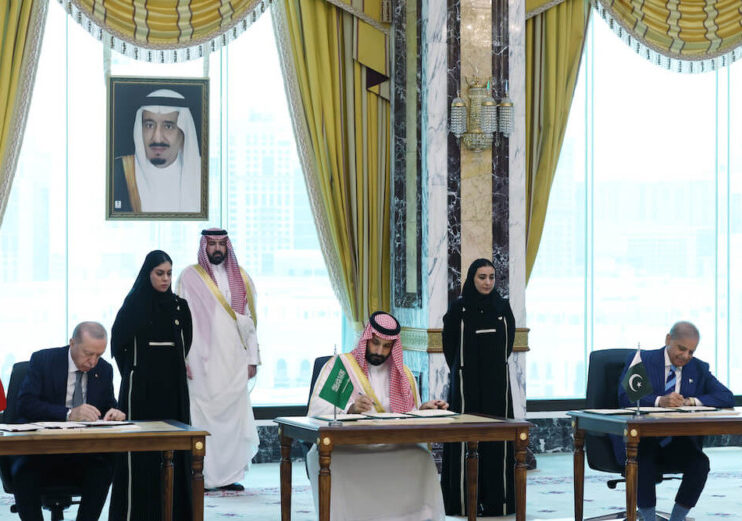
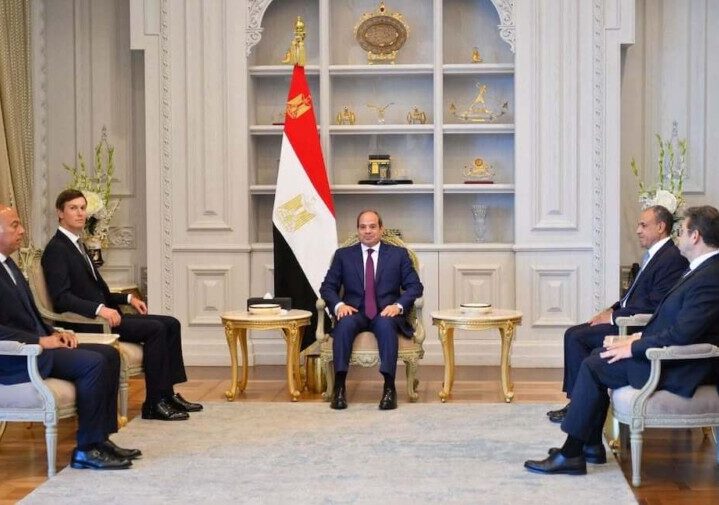
The question arises as to whether the world is returning to the era before the discourse of international law alongside this transformation in the West. Along with this question, the illusion of “order” created by Western countries around international law and the aforementioned values is being questioned. Some sectors of society are waking up to this illusion. For example, Middle Eastern countries have realized that even being part of the American alliance system cannot protect them from Zionist aggression. Only time will tell if this realization will prompt them to seek an alternative order or cause them to align more closely with the U.S. to avoid facing the same fate as Qatar. However, their insufficient military capacity leaves them vulnerable to greater pressure and influence from the Israel-U.S. Zionist alliance.
Although European countries played a significant role in creating the illusion of values such as international law and human rights, they, too, have been forced to abandon this illusion, particularly in light of the events surrounding the Russian invasion of Ukraine. Russia’s invasion of Ukraine is reminiscent of its pre-international law practices. Meanwhile, U.S. President Trump attempted to hand Ukraine over to Moscow under the guise of a peace plan. These events have caused Germany and some other European countries, which neglected their military strength for a long time while trusting Washington, to turn to building their own military power.
The world is reverting to a pre-international law era in which countries with strong militaries invade other countries, threaten invasion, and commit genocide in occupied territories without presenting valid justifications. While this reality is clear, it is not consistent with a realistic approach to continue to believe in actors such as the United States, which have built an “illusion of order around the concepts of international law and human rights” over the past 80 years.
(Originally published in Turkish by Kriter)

Kemal Inat received his PhD from Siegen University with his doctoral thesis focusing on Turkish Middle Eastern Policy at the turn of the 21st Century. Currently, Inat is a Professor at the Department of International Relations at Sakarya University.
You can see how this popup was set up in our step-by-step guide: https://wppopupmaker.com/guides/auto-opening-announcement-popups/

Stay informed by subscribing to
our weekly newsletter.
You can see how this popup was set up in our step-by-step guide: https://wppopupmaker.com/guides/auto-opening-announcement-popups/
You can see how this popup was set up in our step-by-step guide: https://wppopupmaker.com/guides/auto-opening-announcement-popups/
You can see how this popup was set up in our step-by-step guide: https://wppopupmaker.com/guides/auto-opening-announcement-popups/
You can see how this popup was set up in our step-by-step guide: https://wppopupmaker.com/guides/auto-opening-announcement-popups/