Xi and Putin Blast Sanctions Ahead of Trilateral Summit with Trump
Leaders in capitals outside the Washington-Beijing-Moscow triangle worry that sweeping backroom deals could bypass regional institutions and undermine international law.
November 18, 2026
C
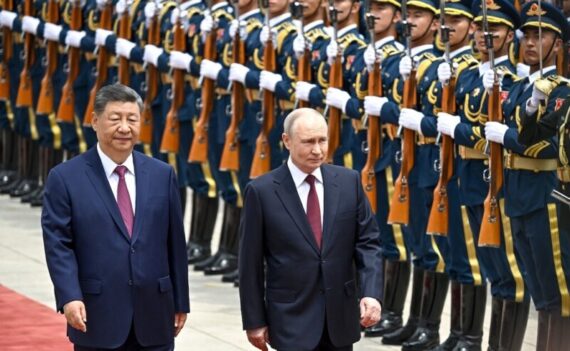
hinese President Xi Jinping and Russian President Vladimir Putin delivered sharply coordinated rebukes against Western economic pressures on Wednesday, taking center stage at the Asia-Pacific Economic Cooperation (APEC) summit just hours before an unprecedented three-way meeting with U.S. President Donald Trump.
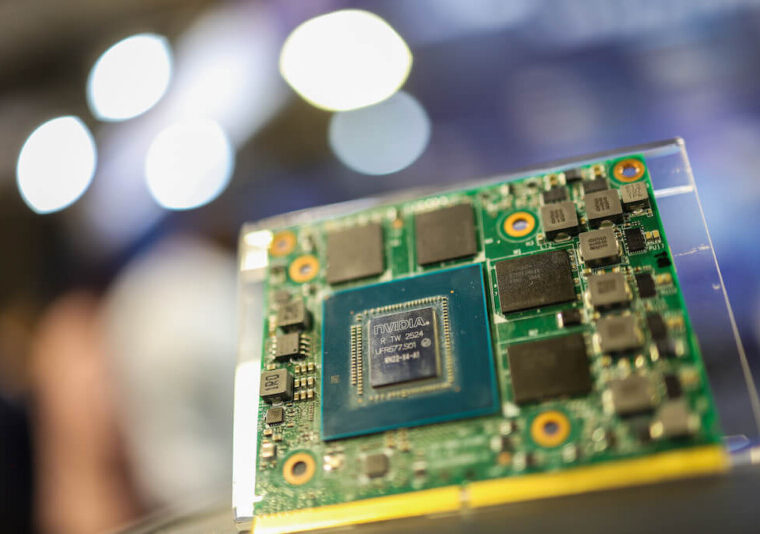
Speaking to business executives in the southern Chinese tech hub of Shenzhen, Xi pledged to staunchly defend free and open trade, portraying Beijing as a stable global partner in direct contrast to Washington’s aggressive tariff policies. Xi’s remarks arrived on the heels of new U.S. restrictions curbing China’s access to advanced artificial intelligence chips.
“We must firmly uphold the rules-based multilateral trading system with the World Trade Organization at its core,” Xi told the summit, emphasizing the need to maintain smooth global supply chains.
Following Xi, Russian President Vladimir Putin launched a vehement attack on Western economic policies. Fresh off a strategic blow following the destruction of the Kerch road bridge in Crimea, Putin dismissed Western restrictions as the desperate measures of “former hegemons,” asserting that anti-Moscow sanctions have ultimately backfired by strengthening his domestic economy rather than crushing it.
The fiery rhetoric from Beijing and Moscow sets a tense backdrop for Thursday’s scheduled trilateral meeting between Xi,Putin, and Trump. The high-profile gathering is expected to touch on major global flashpoints, including the ongoing war in Ukraine, security dynamics in the Middle East, trade architecture, and nuclear arms parameters.
While international observers have drawn nervous comparisons to historic great-power summits like the 1945 Yalta Conference—fearing that smaller nations might be sidelined by an elite carve-up of global influence—leaders have defended the dialogue as essential. Putin remarked that despite a “turbulent” world, geopolitical disagreements are best resolved by “sitting at the table.”
Recommended

Beyond the superpower optics, the impending summit has generated profound unease among smaller and mid-sized economies across Europe and Asia. Leaders in capitals outside the Washington-Beijing-Moscow triangle worry that sweeping backroom deals could bypass regional institutions and undermine international law.
At the same time, Beijing’s messaging continues to find a receptive audience throughout the Global South. By framing its technological strategy and economic partnerships as an inclusive alternative to Western protectionism, China aims to solidify its influence among developing nations. As Trump travels to Shenzhen following regional defense talks in Manila, markets and international diplomats remain on high alert, watching whether this historic trilateral will establish cooperative diplomatic guardrails or simply codify a fractured multipolar order.
As the delegations settle into Shenzhen and the final diplomatic briefs are exchanged, the world watches to see whether this extraordinary trilateral encounter will usher in a new era of managed great-power competition or merely harden the dividing lines of a fracturing global order.
(Source: Reuters)

Politics Today is dedicated to publishing insightful analyses in order to understand the changing nature of contemporary politics. It aims to contribute to the sound and constructive discussion of international affairs.
You can see how this popup was set up in our step-by-step guide: https://wppopupmaker.com/guides/auto-opening-announcement-popups/

Stay informed by subscribing to
our weekly newsletter.
You can see how this popup was set up in our step-by-step guide: https://wppopupmaker.com/guides/auto-opening-announcement-popups/
You can see how this popup was set up in our step-by-step guide: https://wppopupmaker.com/guides/auto-opening-announcement-popups/
You can see how this popup was set up in our step-by-step guide: https://wppopupmaker.com/guides/auto-opening-announcement-popups/
You can see how this popup was set up in our step-by-step guide: https://wppopupmaker.com/guides/auto-opening-announcement-popups/