Iran Threatens Gulf Energy Infrastructure as Trump Sets Ultimatum
Iran’s parliament speaker, Mohammad Baqer Qalibaf, warned that regional infrastructure could face “irreversible destruction” if Iranian facilities are attacked.
March 23, 2026
T
ensions in the Middle East escalated sharply after Iran warned it would target energy and water infrastructure across the Gulf if the United States attacks its power grid, following a deadline set by U.S. President Donald Trump.
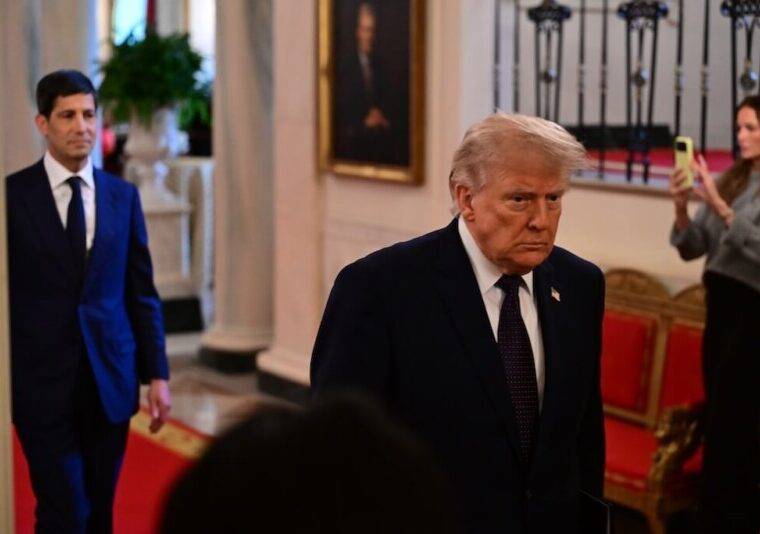
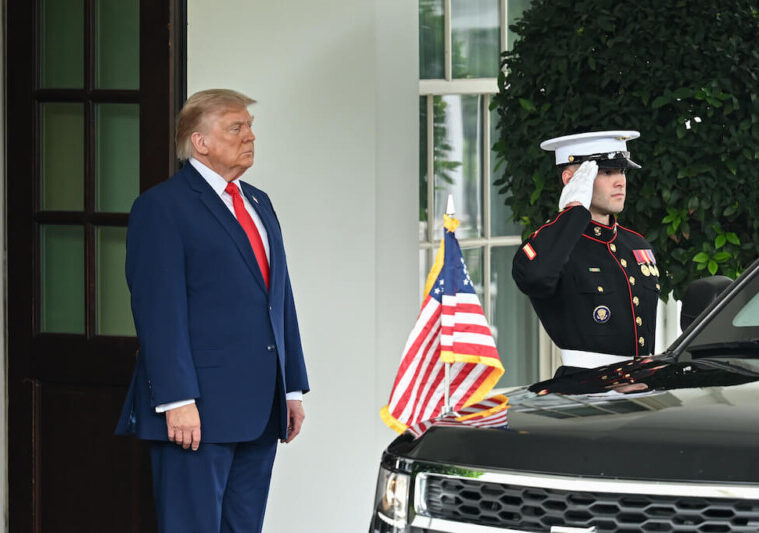
Trump issued a 48-hour ultimatum demanding that Iran fully reopen the Strait of Hormuz, a vital global shipping route. He warned that failure to comply would result in U.S. strikes on Iranian power plants. The deadline is set for Monday evening.
Iranian officials responded with strong warnings, stating that any attack on their energy facilities would trigger retaliation against U.S. and allied infrastructure in the region. Military spokesperson Ebrahim Zolfaqari said energy systems, water desalination plants, and even information technology networks could be targeted.
The threat raises serious concerns for Gulf countries, which rely heavily on desalination to meet water needs. Nations such as Bahrain and Qatar depend almost entirely on desalinated water, while the United Arab Emirates and Saudi Arabia also rely on it for a significant portion of their supply.
Iran’s parliament speaker, Mohammad Baqer Qalibaf, warned that regional infrastructure could face “irreversible destruction” if Iranian facilities are attacked.
Recommended
The warning comes amid ongoing military exchanges. Israel launched a new wave of strikes targeting infrastructure in Tehran, while air raid sirens sounded across Tel Aviv and parts of the occupied West Bank due to incoming Iranian missiles.
Reports from Iran indicated civilian casualties following strikes in cities including Khorramabad and Urmia. Meanwhile, Saudi Arabia said it intercepted ballistic missiles aimed at its capital, Riyadh.
The broader conflict, involving the United States and Israel against Iran and its allies, has already resulted in over 2,000 deaths since late February.
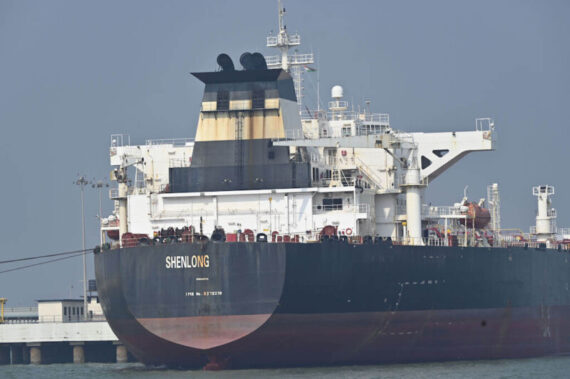
The crisis has severely disrupted global energy markets. The near-closure of the Strait of Hormuz — through which roughly one-fifth of the world’s oil and liquefied natural gas passes — has triggered the worst oil shock since the 1970s.
Market analysts warn of growing instability. “A ticking time bomb of uncertainty” now hangs over global markets, with expectations of falling stock prices and rising fuel costs.
Iran has stated that while the strait remains open to some shipping, vessels linked to its “enemies” will be restricted. Some ships have reportedly managed to pass through under coordinated arrangements with Tehran.
The conflict is also expanding beyond Iran and Israel. Fighting involving the Iran-backed Hezbollah has intensified along Israel’s northern border, with continued rocket fire and Israeli military operations in southern Lebanon.
Israeli officials have indicated that the fighting could continue for weeks, raising fears of a prolonged regional war with global economic consequences.
(Source: Reuters)

Politics Today is dedicated to publishing insightful analyses in order to understand the changing nature of contemporary politics. It aims to contribute to the sound and constructive discussion of international affairs.
You can see how this popup was set up in our step-by-step guide: https://wppopupmaker.com/guides/auto-opening-announcement-popups/

Stay informed by subscribing to
our weekly newsletter.
You can see how this popup was set up in our step-by-step guide: https://wppopupmaker.com/guides/auto-opening-announcement-popups/
You can see how this popup was set up in our step-by-step guide: https://wppopupmaker.com/guides/auto-opening-announcement-popups/
You can see how this popup was set up in our step-by-step guide: https://wppopupmaker.com/guides/auto-opening-announcement-popups/
You can see how this popup was set up in our step-by-step guide: https://wppopupmaker.com/guides/auto-opening-announcement-popups/