O
ver the centuries, the Sultanate of Oman has navigated geopolitical shifts through a foreign policy characterized by calmness, deliberation, and positive neutrality. This approach stems from the profound understanding of current events held by its decision-makers, and is rooted in the country’s long history of adapting to its regional and global environment. It has strengthened Oman’s regional standing, ensured the stability of its political system and contributed to its continued existence as an independent state.
It has also given Oman a unique position in managing developments within the Arab Gulf region, with Muscat often playing the role of a conduit between conflicting parties without becoming embroiled in polarization or alliances. Oman’s role as a mediator or facilitator stems from the confidence that regional states and non-state actors have in its ability to resolve differences and find solutions to crises. Muscat is renowned for its constructive dialogue and diplomatic approach, avoiding confrontations that would otherwise harm the region.
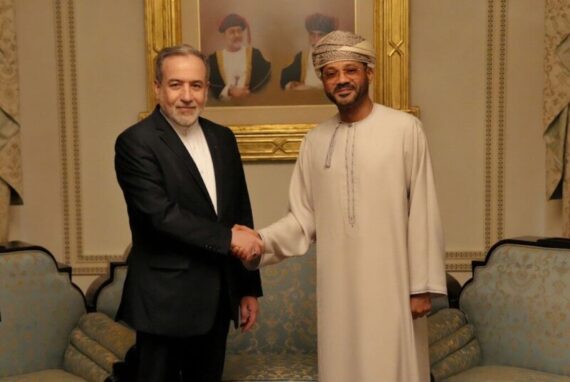
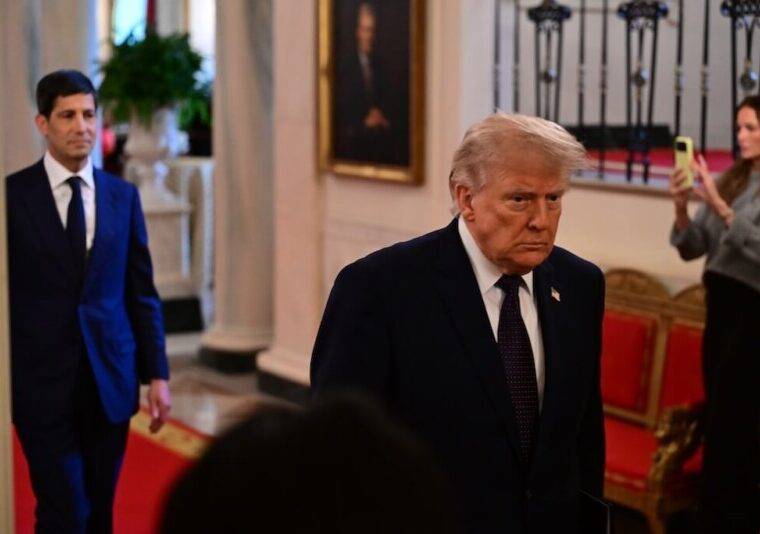
This has led some political analysts to describe Oman as the ‘Switzerland of the Middle East’. However, the joint US-Israeli attack on Iran on 28 February 2026, following a round of indirect negotiations between the US and Iran, took Oman and other regional actors by surprise. His Excellency Badr bin Hamad Al Busaidi, the Omani Foreign Minister, stated that an agreement was imminent following a round of negotiations held in Muscat and later in Geneva, he stated that progress was being made towards de-escalation in order to maintain the necessary calm in the region. This is vital as it is an important energy artery that cannot withstand military confrontation and its repercussions for long without seriously disrupting the global supply of oil and gas. This raises questions about Oman’s ability to fulfil its traditional role in the region, given its limited capacity to leverage its soft power, which is crucial for defusing tensions between conflicting parties.
In contrast to its previous calm and covert rhetoric, Muscat has openly voiced its opinion on the ongoing conflict, adopting a clear stance against joint US-Israeli aggression towards Iran. In an article published in The Economist, the Omani foreign minister emphasized that a war on Iran would be illegitimate and would not serve the interests of the region. It would also have serious repercussions for the security and economies of the Gulf Cooperation Council (GCC) countries, as well as for the global economy and energy markets more broadly. He urged Washington and its allies to de-escalate and resume diplomatic efforts.
A changing regional landscape
The Arab Gulf region has been unique for decades, with its own political, economic, cultural and religious characteristics. Long ago, it became an arena for competition between the great powers, starting with the arrival of the Portuguese in the late 15th century and continuing with the growing influence of the Dutch, British and French between the 17th and 19th centuries. The discovery of oil in the early 20th century further cemented the region’s prominence, even while the great powers were preoccupied with conflicts such as the First and Second World Wars. The discovery of oil coincided with the establishment of the Third Saudi State in 1932. This state is characterized by its vast geographical area, regional influence and prominent role in global energy markets. However, the region has not been immune to geopolitical changes that have disrupted its relative stability.
These include communist maneuvers in southern Oman (1965–1975), the Soviet invasion of Afghanistan (1979), the Iranian Revolution (1979), the Iran–Iraq War (1980–1988), the Iraqi invasion of Kuwait (1990), the impact of the 9/11 attacks, followed by the US invasions of Afghanistan (2001) and Iraq (2003), the subsequent Arab Spring (2011), the Saudi-led intervention in Yemen (2015) and the blockade of Qatar (2017). These events have cast a shadow over the political landscape of the Middle East and the relationship between the six Gulf Cooperation Council (GCC) states. This raises questions about the future of the GCC, more than four decades after its foundation. This puts Oman’s foreign policy in relation to the region at stake and is exacerbated by the uncertainty surrounding the stance of the other GCC states.
Despite being relatively isolated from its regional surroundings since the dissolution of the Omani Empire in 1856, anyone familiar with Oman’s foreign policy towards the Arab Gulf region will realize that, since Sultan Qaboos came to power in 1970, Oman has been keen to achieve unity and consensus with its neighbors, focusing on collective action for human development rather than conflict. This approach has earned Oman the trust of various parties through its balanced policies, adherence to principles, maintenance of neutrality, avoidance of involvement in ill-conceived conflicts that could prove costly, and pursuit of diplomatic efforts in cooperation with regional partners, especially its ‘brothers’ in the GCC.
This independent and unique approach has continued under the leadership of His Majesty Sultan Haitham bin Tariq, who ascended to the throne on 11 January 2020. His Majesty affirmed that the Sultanate of Oman would continue its noble mission and play a positive role in the region. He emphasized the independence of Omani policy and its sovereign decision-making by stating that Oman would not be swayed by whims and desires and would not enter into blocs and alliances directed towards a specific party. This summarizes the balance and stability of Omani foreign policy over the past five decades.
His Majesty also affirmed Oman’s support for Arab and Muslim causes, foremost among them the Palestinian cause, within a balanced diplomatic framework that focuses on opportunities for peace. This framework affirms the legitimate rights of the Palestinian people to establish an independent state with Jerusalem as its capital, based on a two-state solution. It also completely rejects Israeli attacks that affect Palestinian lands and rights, as well as repeated violations of the sovereignty and security of other countries.
Oman’s approach to the crisis
While Muscat has achieved a certain level of political maturity and learned to adopt a moderate and non-confrontational approach to conflict, avoiding escalatory rhetoric and utilizing international channels to maintain calm, it has also demonstrated a firm desire to adhere to the principles of moderation and preserve regional balance and stability. However, recent events have challenged Muscat’s approach to the crisis, given the damage to Omani infrastructure caused by drone attacks on coastal investments, such as the ports of Sohar and Salalah and the Exclusive Economic Zone (EEZ) in Duqm. While the physical damage was limited, the broader economic implications threaten the coastal investment strategy outlined in Oman’s Future Vision 2040, in which coastal investments are a crucial pillar of the economic diversification strategy.
Such attacks on Oman have revealed that traditional neutrality no longer guarantees security, and the breach of sovereignty sent an alarming signal to Muscat that a more explicit stance was necessary. Muscat condemned the attacks, some of which Tehran denied. Muscat then repeatedly criticized US-Israeli aggression against Iran, which brought chaos to the region. This was after the Omani Foreign Minister announced that the US and Iran were on the verge of reaching a genuine agreement on most of the complex issues causing hostility. The minister described the attacks as ‘illegal, shocking, but not surprising’ when military strikes were favored over a peace treaty that was within reach, and only hours after the most crucial round of talks. Furthermore, he described Iran’s immediate retaliation as ‘inevitable, albeit deeply regrettable’, as it led to unacceptable consequences and further escalation.
While other GCC capitals took a stronger position, refusing to support or participate in military operations, Muscat urged all sides to stop what it called ‘grave miscalculations’, calling for an immediate return to negotiations through engagement with other GCC states and other regional and international partners. Muscat emphasized its criticism of the war and called for an immediate ceasefire.
During the GCC foreign ministers’ meeting on 30 March, Muscat expressed its position to representatives from Russia and Jordan. At the same time, it continued its role as go-between through indirect talks with Washington and Tehran, stressing that the door for diplomacy remained open. Therefore, Oman is continuing its role as a stabilizing force, prioritizing diplomacy over all other means of resolving conflicts to ensure the stability of the Arab Gulf region and avoid military entanglement. This is in accordance with the fact that Oman’s security and economy are directly affected by the repercussions of the war.
Recommended
Challenges to Muscat’s active role
One of the most significant challenges facing Muscat in its efforts to play an active role is reaching a consensus with the other GCC capitals on regional issues. These political differences have resulted in the absence of a collective GCC response mechanism to regional issues, whether political or military. Firstly, despite the GCC’s 45-year existence and the Peninsula Shield Force’s (PSF) 44-year history, this modest military force remains largely symbolic and lacks the capability to engage in a large-scale regional conflict due to its lack of air and naval elements. Secondly, Muscat is affected by regional polarization and a changing security landscape, which makes acting as an intermediary between the GCC states and Iran more difficult. Amid a polarized Arab Gulf environment, maintaining cordial ties can be difficult, reducing the chances of Muscat maintaining its neutrality. Therefore, Oman may be pressured into choosing sides, which would contradict its long-held political orientation.
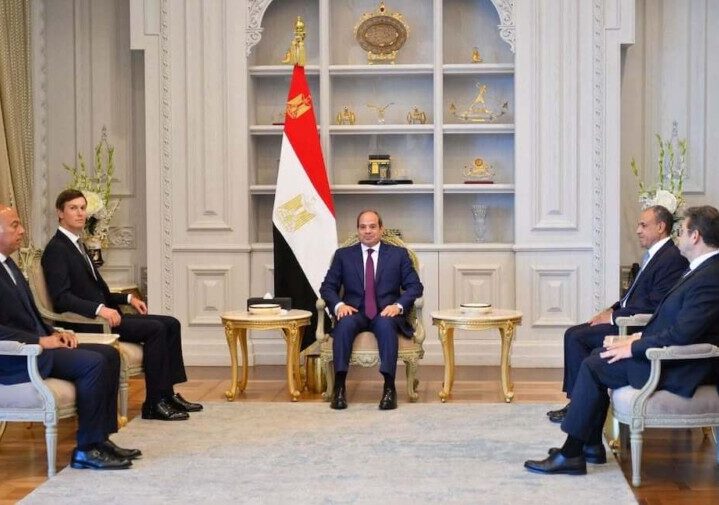
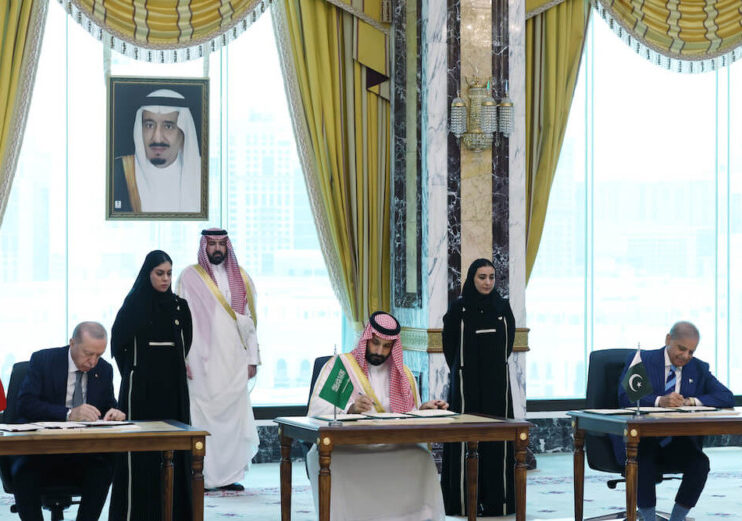
Thirdly, the lack of robust leverage means that Oman’s regional role is being challenged by the emergence of new regional mediators, such as Pakistan, Turkey, Saudi Arabia, Qatar and Egypt. This reduces Oman’s unique diplomatic role, particularly given Muscat’s stance on the current crisis: it has explicitly condemned American and Israeli strikes on Iran, and warned against regional escalation and its repercussions for the region and the world. Fourthly, unlike other wealthier GCC states, Oman has financial constraints in the form of low financial reserves and high public debt. This reduces its ability to finance diplomatic initiatives and consequently reduces its regional footprint. Finally, Oman faces economic constraints, developmental challenges and an increasing unemployment rate, as well as a desperate need for economic diversification. This may reduce its ability to pursue an active foreign policy and instead divert its focus to domestic affairs.
Based on the foregoing and Oman’s traditional foreign policy approach, it is clear that Muscat has taken a firm stance by condemning both the American-Israeli and Iranian strikes. Calling on all parties to exercise restraint and avoid escalation, Muscat has also appealed to Iran to keep trade routes open and not to militarize the Strait of Hormuz. At the same time, Oman recognizes that neutrality does not always guarantee security, as demonstrated by Iran’s targeting of some of its vital infrastructure. Therefore, Muscat now needs to achieve balance through two main strategies: Firstly, it should maintain its rapprochement with Tehran in order to advance diplomatic solutions, joining the initiative of regional actors such as Pakistan, Saudi Arabia, Qatar, Egypt and Turkey to ensure the safety of maritime navigation routes and a regional environment conducive to foreign investment. This is vital to the future economic visions of all GCC states.
Secondly, Muscat should play a leading role in adopting a unified stance among the Gulf capitals regarding any foreign intervention that could lead to crises affecting the GCC states first. This can only be achieved by setting aside differing viewpoints and focusing on the collective benefits of regional stability. There must also be a firm conviction that prolonging the conflict will have serious repercussions for the GCC states themselves before it has regional and global effects. During a high-level briefing at the UN Security Council meeting on 2 April, GCC Secretary-General Jassim Al-Budaiwi stated that ‘The Gulf states do not favor war over peace, security and stability’, emphasizing that ‘dialogue and diplomacy remain the best way to address crises’ and that ‘continued escalation would undermine regional security and lead to serious repercussions for international peace and security’.
This could serve as a basis for a collective GCC perspective on regional politics and security that benefits not only Oman, but the entire region. While it does not necessitate a total transformation of Oman’s foreign policy or its decision-making autonomy, it does mean working in a more balanced manner with regional partners to ensure the security and stability of both the region and the country itself.