SIPRI: World Defense Budgets Rise for 11th Straight Year
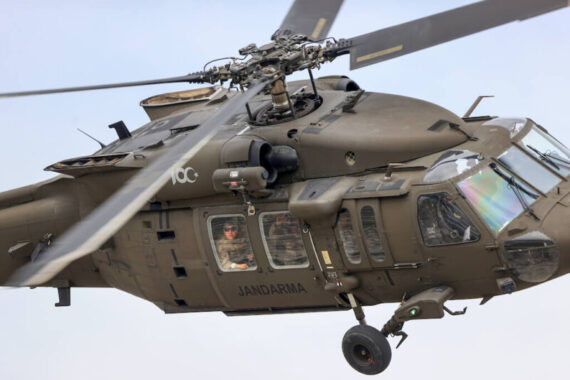
Türkiye’s military budget rose by 7.2 percent to $30 billion, driven partly by its ongoing operations in Iraq, Syria and Somalia.
April 27, 2026
G
lobal military expenditure reached a record $2.887 trillion in 2025, marking the 11th consecutive year of growth, as countries responded to heightened geopolitical tensions, ongoing conflicts and long-term security concerns with sustained defense investments. The latest data shows a 2.9 percent increase in real terms compared to 2024, according to newly released figures by the Stockholm International Peace Research Institute (SIPRI).
Although the overall growth rate slowed compared to the sharp 9.7 percent rise recorded in 2024, the increase underscores a continued global trend toward rearmament. The deceleration was largely driven by a decline in United States spending, while most other regions recorded substantial gains. Excluding the US, global military expenditure rose by 9.2 percent in 2025.
The combined spending of the world’s top three military powers—the United States, China and Russia—amounted to $1.48 trillion, representing 51 percent of total global expenditure. This concentration highlights the continued dominance of major powers in shaping global defense dynamics.
The global military burden, defined as military spending as a share of gross domestic product (GDP), rose to 2.5 percent, its highest level since 2009. Analysts attribute the sustained increase to persistent insecurity, protracted wars and rising competition among major powers.
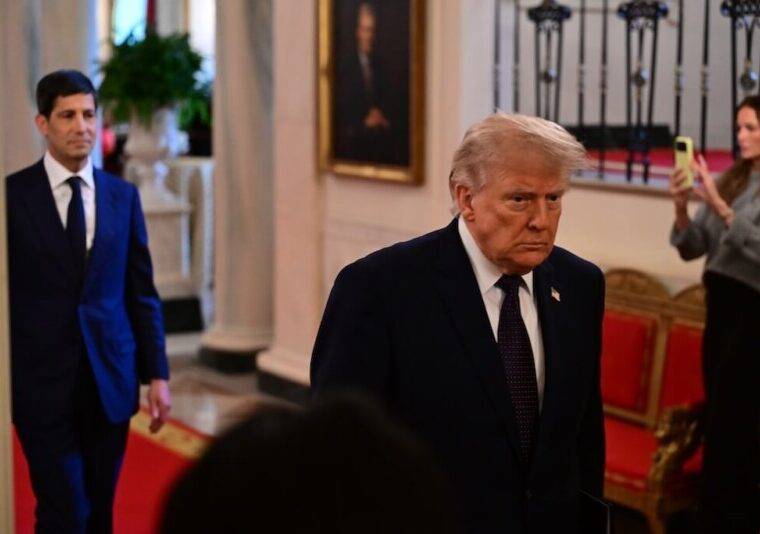
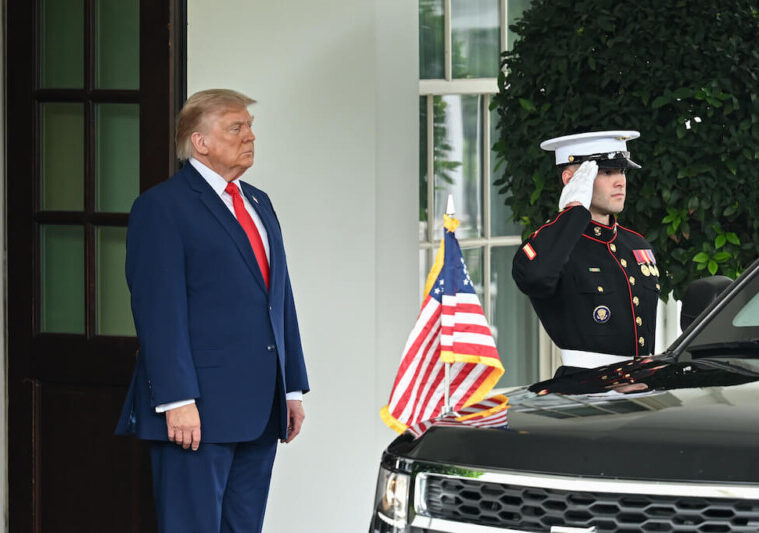
Despite remaining the world’s largest military spender, the United States reduced its expenditure by 7.5 percent to $954 billion in 2025. The decline was primarily due to the absence of newly approved military aid packages for Ukraine, contrasting with the $127 billion allocated over the previous three years.
However, the reduction is expected to be temporary. Washington continues to invest heavily in both nuclear and conventional capabilities, with a strategic focus on maintaining military superiority and countering China’s influence in the Indo-Pacific region. Approved spending for 2026 already exceeds $1 trillion and could climb significantly higher in the coming years.
In contrast, Europe saw one of the sharpest increases in military spending, rising by 14 percent to $864 billion. The surge was largely driven by the ongoing war in Ukraine and intensified efforts by NATO members to strengthen defense capabilities and meet updated alliance spending targets.
Russia’s military expenditure grew by 5.9 percent to $190 billion, accounting for 7.5 percent of its GDP. Ukraine, meanwhile, recorded a 20 percent increase, reaching $84.1 billion—equivalent to a staggering 40 percent of its GDP—reflecting the immense cost of sustaining its defense amid the prolonged conflict.
European NATO members collectively spent $559 billion in 2025, with 22 out of 29 countries meeting or exceeding the alliance’s benchmark of allocating at least 2 percent of GDP to defense. Germany emerged as the largest spender within the group, increasing its budget by 24 percent to $114 billion. This pushed its military burden to 2.3 percent of GDP, surpassing the NATO threshold for the first time since reunification.
Spain also recorded a significant rise, boosting its military expenditure by 50 percent to $40.2 billion, similarly crossing the 2 percent threshold for the first time in decades. Analysts note that this rapid growth reflects both a drive for greater European strategic autonomy and pressure from the United States for increased burden sharing within NATO.
In the Middle East, military spending remained relatively stable at $218 billion, with only a marginal 0.1 percent increase. Israel’s expenditure declined by 4.9 percent to $48.3 billion following a reduction in the intensity of the Gaza genocide after a ceasefire in early 2025. Nonetheless, Israel’s spending remains nearly double its 2022 level.
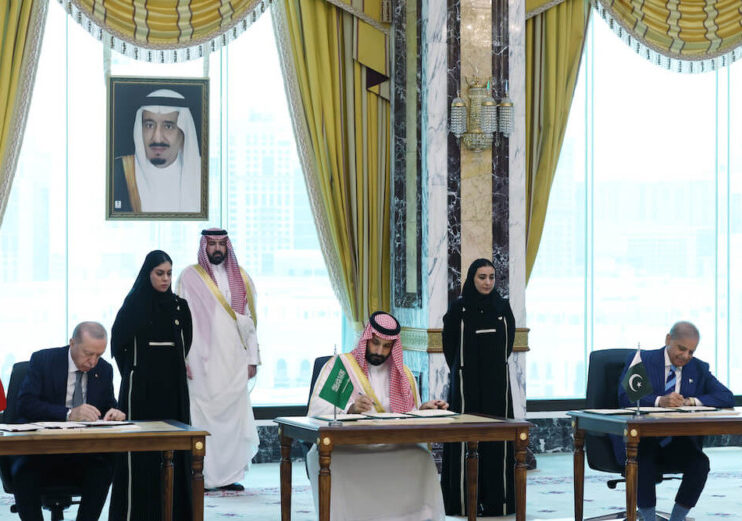
Türkiye’s military budget rose by 7.2 percent to $30 billion, driven partly by its ongoing operations in Iraq, Syria and Somalia. Meanwhile, Iran’s military expenditure fell by 5.6 percent in real terms to $7.4 billion, largely due to high inflation, although actual spending levels may be higher due to off-budget financing mechanisms.
Asia and Oceania recorded the fastest growth in military spending, increasing by 8.1 percent to $681 billion—the region’s largest rise since 2009. China, the world’s second-largest military spender, expanded its budget by 7.4 percent to $336 billion, marking its 31st consecutive annual increase as it continues a long-term military modernization program.
Japan’s military expenditure rose by 9.7 percent to $62.2 billion, reaching 1.4 percent of GDP—the highest level since 1958. Taiwan also posted a significant increase of 14 percent to $18.2 billion amid rising tensions and increased military activity around the island.
Experts suggest that growing uncertainty about US security commitments has prompted allies in the region, including Japan, Australia and the Philippines, to boost their defense spending independently.
Recommended
Elsewhere, military expenditure trends varied. The United Kingdom reduced its spending by 2 percent to $89 billion, while France recorded a modest increase of 1.5 percent to $68 billion. India, the world’s fifth-largest military spender, raised its budget by 8.9 percent to $92.1 billion, while Pakistan’s spending grew by 11 percent to $11.9 billion.
Saudi Arabia increased its military expenditure by 1.4 percent to $83.2 billion, maintaining its position among the top global spenders. In Africa, total military spending rose by 8.5 percent to $58.2 billion, with Nigeria recording a sharp 55 percent increase amid escalating security challenges.
In South America, Guyana’s defense budget surged by 16 percent due to tensions with Venezuela over the disputed Essequibo region, highlighting how localized disputes continue to influence global military spending patterns.
Overall, the data reflects a world increasingly shaped by strategic competition, regional conflicts and shifting alliances. With many countries committing to long-term defense targets and ongoing crises showing little sign of resolution, global military expenditure is widely expected to continue its upward trajectory in the years ahead.
(Source: SIPRI)

Politics Today is dedicated to publishing insightful analyses in order to understand the changing nature of contemporary politics. It aims to contribute to the sound and constructive discussion of international affairs.
You can see how this popup was set up in our step-by-step guide: https://wppopupmaker.com/guides/auto-opening-announcement-popups/

Stay informed by subscribing to
our weekly newsletter.
You can see how this popup was set up in our step-by-step guide: https://wppopupmaker.com/guides/auto-opening-announcement-popups/
You can see how this popup was set up in our step-by-step guide: https://wppopupmaker.com/guides/auto-opening-announcement-popups/
You can see how this popup was set up in our step-by-step guide: https://wppopupmaker.com/guides/auto-opening-announcement-popups/
You can see how this popup was set up in our step-by-step guide: https://wppopupmaker.com/guides/auto-opening-announcement-popups/