Global Arms Transfers Surge as Europe Drives Demand, SIPRI Reports
In South America, arms imports rose by 31 per cent, driven largely by a significant increase in Brazil’s acquisitions.
April 3, 2026
G
lobal transfers of major arms rose sharply in the past five years, with European demand surging to unprecedented levels, according to new data released by the Stockholm International Peace Research Institute (SIPRI). The report highlights a 9.2 per cent increase in the volume of international arms transfers between 2016–20 and 2021–25, marking the largest rise in over a decade.
The increase was driven primarily by a dramatic escalation in arms imports to Europe, which more than tripled during the period. European states accounted for 33 per cent of global arms imports, making the region the world’s largest recipient for the first time in recent history. The surge reflects growing security concerns linked to Russia and the ongoing war in Ukraine, which alone received 9.7 per cent of all global arms transfers.
SIPRI researchers pointed to a broader shift in European defense policy. “Most European states have significantly increased their arms imports to strengthen military capabilities against a perceived growing threat from Russia,” said Mathew George, director of the institute’s Arms Transfers Program. In addition to Ukraine, countries such as Poland and the United Kingdom were among the region’s largest importers.
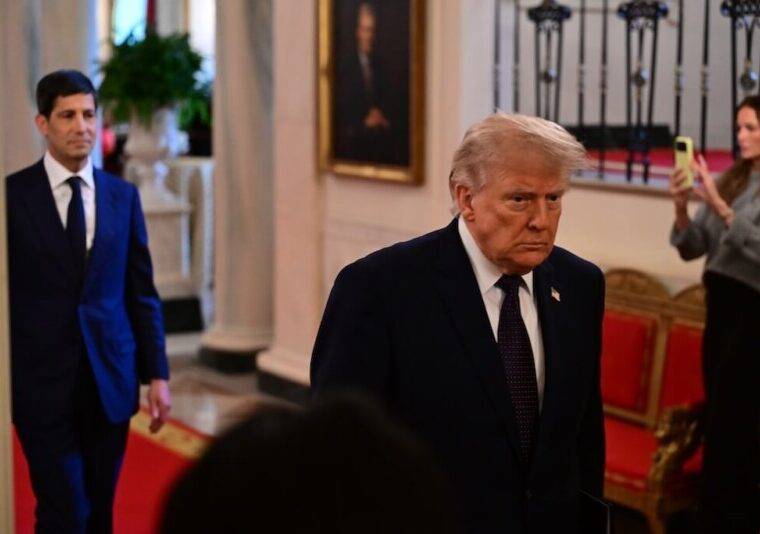
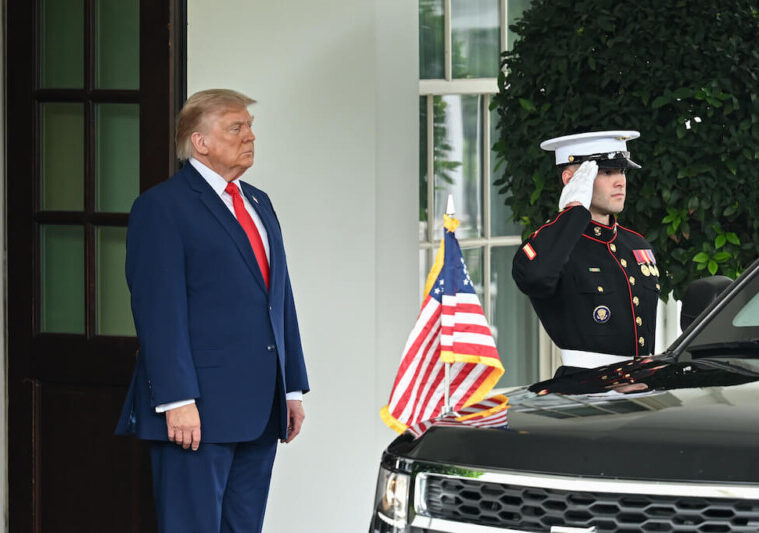
The data also underscores the expanding dominance of the United States in the global arms market. The U.S. accounted for 42 per cent of all arms exports in 2021–25, up from 36 per cent in the previous five-year period. American exports rose by 27 per cent overall, with shipments to Europe increasing by a striking 217 per cent.
For the first time in two decades, Europe replaced the Middle East as the largest destination for U.S. arms exports, receiving 38 per cent of total shipments compared to 33 per cent for Middle Eastern states. Despite this shift, Saudi Arabia remained the single largest recipient of U.S. arms, accounting for 12 per cent of total American exports.
Analysts say Washington’s growing share reflects both demand for advanced military technology and the strategic use of arms exports as a foreign policy tool. “For importers, U.S. arms offer advanced capabilities and a way of fostering strong political ties,” said Pieter Wezeman, a senior SIPRI researcher.
While the United States strengthened its position, Russia experienced a dramatic decline. Russian arms exports fell by 64 per cent, reducing its global market share from 21 per cent to just 6.8 per cent. The drop is widely attributed to the impact of sanctions, the diversion of equipment to its own military operations, and decreased demand from traditional buyers.
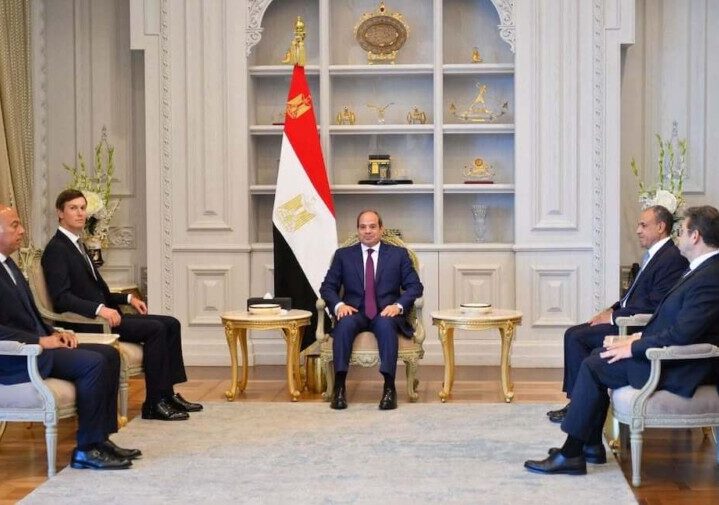
France emerged as the world’s second-largest arms exporter, increasing its share to 9.8 per cent of global exports. French shipments grew by 21 per cent, with major clients including India, Egypt and Greece. Meanwhile, Germany rose to fourth place globally, partly due to significant arms deliveries to Ukraine.
Other exporters also recorded notable gains. Italy saw its arms exports increase by 157 per cent, while Israel expanded its share of global exports to 4.4 per cent, overtaking the United Kingdom for the first time.
In contrast to Europe, arms imports declined in several other regions. Asia and Oceania saw a 20 per cent drop in imports, largely due to a sharp reduction in China’s purchases as it expanded its domestic arms production. Nevertheless, countries such as India, Pakistan, Japan and Australia remained among the world’s top importers, reflecting ongoing regional tensions.
Recommended
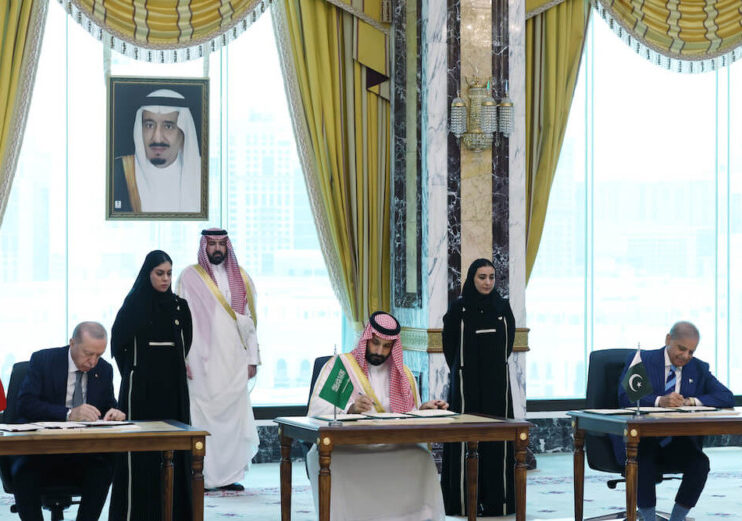
The Middle East also recorded a decline, with arms imports falling by 13 per cent. However, the region continues to be a major market, with Saudi Arabia, Qatar and Kuwait ranking among the world’s top importers. The United States remained the dominant supplier to the region, accounting for more than half of all imports.
Elsewhere, Africa experienced a steep 41 per cent drop in arms imports, while the Americas saw a more modest increase of 12 per cent. In South America, imports rose by 31 per cent, driven largely by a significant increase in Brazil’s acquisitions.
SIPRI’s findings point to a rapidly evolving global arms landscape shaped by geopolitical tensions and shifting alliances. The surge in European demand, combined with the United States’ growing export dominance and Russia’s declining role, signals a reconfiguration of the international arms trade.
As conflicts persist and security concerns intensify across multiple regions, analysts warn that the upward trend in arms transfers could continue in the coming years, further entrenching global militarization and strategic competition.
(Source: SIPRI)

Politics Today is dedicated to publishing insightful analyses in order to understand the changing nature of contemporary politics. It aims to contribute to the sound and constructive discussion of international affairs.
You can see how this popup was set up in our step-by-step guide: https://wppopupmaker.com/guides/auto-opening-announcement-popups/

Stay informed by subscribing to
our weekly newsletter.
You can see how this popup was set up in our step-by-step guide: https://wppopupmaker.com/guides/auto-opening-announcement-popups/
You can see how this popup was set up in our step-by-step guide: https://wppopupmaker.com/guides/auto-opening-announcement-popups/
You can see how this popup was set up in our step-by-step guide: https://wppopupmaker.com/guides/auto-opening-announcement-popups/
You can see how this popup was set up in our step-by-step guide: https://wppopupmaker.com/guides/auto-opening-announcement-popups/