Israel’s Violations of the Ceasefire: Iran and Lebanon
Just as Israel has pitted the US against Iran through its sustained campaign over the years, it does not wish for this war to end without securing maximum benefit from the situation.
May 11, 2026

W
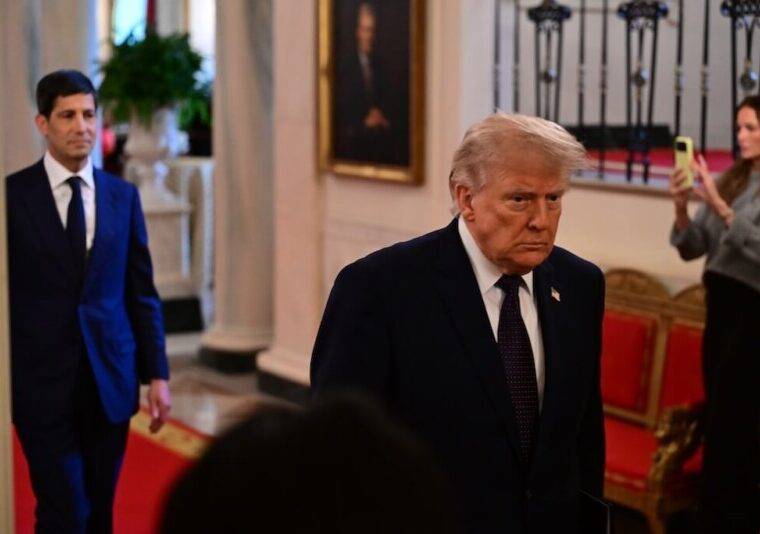
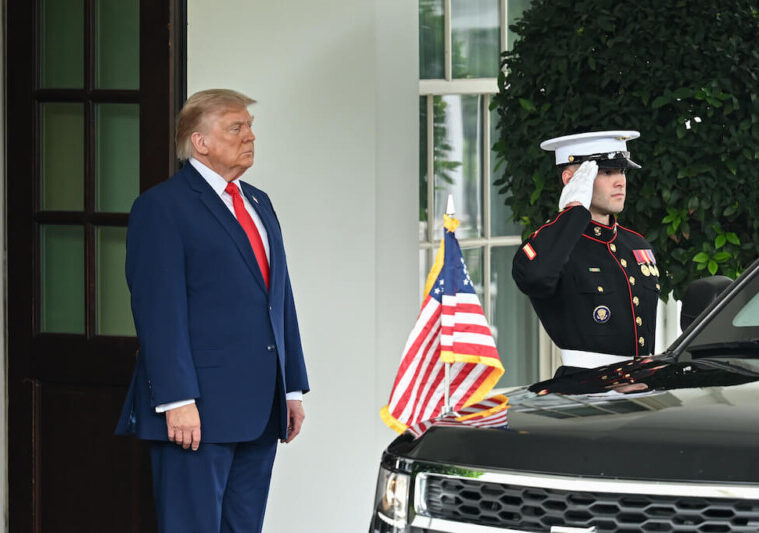
hile nuclear negotiations between the U.S. and Iran were ongoing, the U.S.-Israel-Iran War began with Israel’s attack on Iran, which received a green light from Trump. This attack occurred just as it had on June 13, 2025, and continued with U.S. participation. For the time being, the war has come to an end with the 15-day ceasefire declared on April 8. This ceasefire occurred because Iran administration survived despite the human casualties and damage to its infrastructure in the war. Iran simultaneously struck Israel with ballistic missiles, spreading the war to Gulf states and closing the Strait of Hormuz. Iran achieved a relative balance of power. One of the reasons for the ceasefire on the US side is Trump’s unwillingness to bear further costs.
Shortly after the ceasefire was declared on April 8, the U.S. and Iranian negotiation delegations met in Islamabad, Pakistan’s capital. They left Islamabad without reaching an agreement due to failing to find common ground on the conditions put forward by both sides. However, they did agree to maintain the ceasefire. However, both sides declared their resolve to return to war should no agreement be reached.
While both the US and Iran appear to agree on not prolonging the 40-day war, Israel—which initiated the war and drew the US into it—does not want to end the war or see an agreement between the US and Iran. This is because Israel has yet to achieve its objectives against Iran. Although Israel has stated that it will comply with the ceasefire, its approach to the process has unfortunately rendered the ceasefire exceedingly fragile. Israel’s stance complicates any potential agreement requiring the US to act contrary to Israel’s interests and concerns.
Just as Israel has pitted the US against Iran through its sustained campaign over the years, it does not wish for this war to end without securing maximum benefit from the situation. In other words, it wants to bring about internal turmoil or regime change that would lead to Iran’s fragmentation. To this end, Israel is attempting to poison the negotiations and render any potential agreement impossible by utilizing all its influence and power over the US administration.
Israel’s negative stance toward ceasefires is not limited to those between the U.S. and Iran. In fact, even the ceasefire with Lebanon, secured under US pressure, holds no significance for Israel. While appearing to have reached an agreement with Lebanon, Israel continues its attacks under the pretext of Hezbollah. Consequently, it is evident that Israel cannot accept ceasefires in Iran and Lebanon and is therefore trying to break them and return to war.
This study will examine Israel’s attempts to undermine ceasefires in the region separately for the Iranian and Lebanese fronts. In the conclusion, an attempt will be made to explain what Israel aims to achieve through these moves.
The justifications Israel cited for initiating the war against Iran are the same as those it is now citing to violate the ceasefire and, if possible, prevent an agreement from being reached. Yet, over the course of the 40-day war, it has become clear that nearly all of the claims Israel made regarding the Iranian regime were false.
Most notably, the claims that Iran was on the verge of possessing a nuclear weapon were baseless. This reinforces the argument that Israel made this claim solely to initiate the conflict. Claims that the Iranian people would not support the regime and that the regime would collapse if the religious leader were killed have also been proven false. It has also come to light that Israel deceived Trump on this matter.
However, despite all these facts, Israel continues to demonize Iran by claiming that it has the potential to acquire nuclear weapons and plans to eliminate first Israel, then the United States, and rest of West; in doing so, it seeks to prevent the establishment of mutual trust and to block any agreement with what it portrays as such an “enemy of civilization.”
Israel has done more than circulate these narratives to undermine the ceasefire. It has also pressured Trump and his administration through the Jewish lobby in the U.S. While doing so, Israel has enlisted the support of Jewish senators and members of the House of Representatives in the U.S. Congress, including senators like Lindsey Graham, who is funded by the Jewish lobby. Israel has used these tactics to persuade Trump to break the ceasefire and return to war.
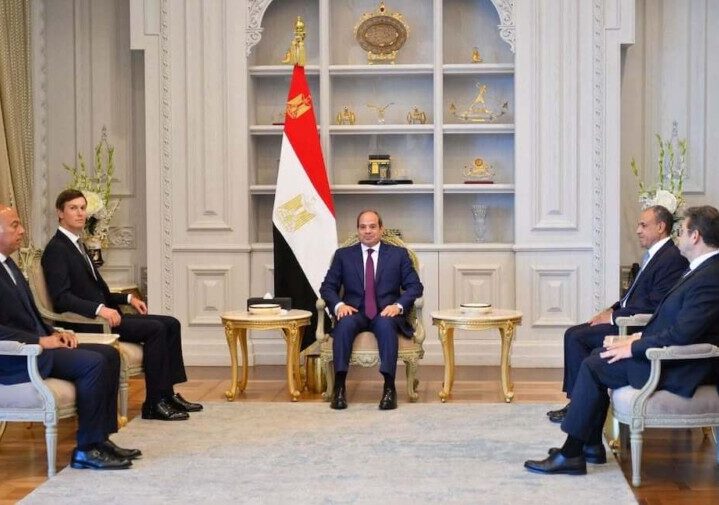
Israel’s most significant assets in sabotaging negotiations with Iran have been Steve Witkoff and Jared Kushner, both of whom were part of the U.S. negotiating delegation. Both of these Jewish figures have close ties to the Israeli government and Netanyahu. As with the process of securing the ceasefire in Gaza, this pair relayed all discussions to Netanyahu and took no steps without his approval. Following the February 26 negotiations, Witkoff stated that “everything was on track and we could now move on to technical matters.” However, after the outbreak of war on February 28, he attempted to exonerate Israel, which initiated the war, by spreading the lie that “the Iranian delegation threatened them by claiming to possess 400 kilograms of enriched uranium and the ability to produce at least 11 nuclear bombs during the final negotiations,” thereby seeking to legitimize the war.
For this reason, the Iranian side announced that they would not accept Witkoff as head of the U.S. negotiating delegation and preferred Vice President J.D. Vance instead. Consequently, Vance chaired the negotiations in Islamabad. However, Israel did not remain idle during this process. According to media reports, Vance spoke with Netanyahu by telephone during the negotiations to convey Iran’s proposals. The negotiations stalled due to Netanyahu’s negative stance.
As can be seen, while Israel seeks to both undermine the ceasefire and prevent a potential agreement by portraying Iran as an unreliable actor, on the other hand, through its mouthpieces in the U.S. media, it has published analyses claiming that the ceasefire was a mistake, that an agreement with Iran would strengthen Iran and damage U.S. prestige, and that the best option is for the U.S. to bring Iran to heel through the use of force. Not content with this, Israel has sought to influence the U.S. public and exert pressure on the Trump administration’s decisions by mobilizing all institutions of the Jewish lobby.
Recommended
Although the ceasefire between Israel and Lebanon, which began on November 27, 2024, is technically still in place, it is highly unlikely to be upheld due to Hezbollah’s involvement in the conflict on Iran’s behalf since March 2. Israel had also frequently violated the ceasefire, carrying out attacks—particularly in Beirut’s Dahiye district and southern regions beyond the Litani River—under the pretext of targeting Hezbollah. However, with Hezbollah’s intervention in the war, the ceasefire has officially ceased to exist.
From March 2 until the 10-day ceasefire was announced on April 17 following talks held on April 14 under U.S. facilitation and hosting, Israel used Hezbollah as usual and, following the ground operation that began on March 16, established an 8–10-kilometer buffer zone in southern Lebanon. Consequently, by the time the ceasefire took effect, Israel had occupied approximately % 6 of Lebanese territory and refused to allow the return of Lebanese civilians forcibly evacuated from the area.
One of the preconditions for the ceasefire between the US and Iran was that Israel cease its attacks on Lebanon. However, due to Israel’s continued attacks, the Lebanon issue was deemed outside the scope of the US-Iran ceasefire. Nevertheless, at Trump’s insistence, the Israeli and Lebanese ambassadors were brought together in Washington to declare a ceasefire. Trump then prohibited Israel from attacking Lebanon. Although Israel did not take this ban seriously, Iran’s demand was ultimately met.
However, since the Lebanese government and army were unable to disarm Hezbollah as assigned under the ceasefire, Israel continues its attacks on the pretext that the necessary conditions have not been met.
Despite these setbacks, on April 24, before the ceasefire period expired, the Israeli and Lebanese ambassadors met again in Washington under the leadership of U.S. Secretary of State Rubio. At a ceremony attended by Trump and Vance, they announced that the ceasefire had been extended for an additional three weeks more.
While the continuation of the ceasefire is positive, Israel’s occupation of Lebanese territory persists, and Hezbollah has stated that it will continue to fight Israel. Thus, the ceasefire appears likely to remain on paper only. Indeed, Lebanese Prime Minister Nawaf Salam has stated that Lebanon will not agree to a final settlement unless Israel ends its occupation of Lebanese territory. Meanwhile, it has been leaked to the media that Trump plans to sign a peace agreement in Washington within approximately a month, with Netanyahu and Lebanese President Aoun in attendance. However, as long as Israel continues to attack Lebanon and attempt to provoke a civil war by pitting Hezbollah against other ethnic and sectarian groups, this seems unlikely to materialize.
Consequently, since Israel has not yet achieved its objectives regarding Iran, it is trying to undermine the ceasefire between the U.S. and Iran to keep the war going. Although Israel appears to have agreed to a ceasefire in Lebanon on paper, it is continuing its attacks under the pretext of Hezbollah. Israel is also attempting to establish a permanent presence in the territories it has occupied. As long as Israel maintains its current policy, neither a ceasefire nor lasting peace in the region will be possible.
(Originally published in Turkish by Kriter)

After serving 25 years in the Turkish Navy, he retired in 2014. Afterwards, he started his doctoral education on Middle East Studies at Sakarya University Middle East Institute and worked as a researcher at the Israel Studies desk of the institute. Between 2019-2021, he served as a Levant Specialist at Center for Middle Eastern Studies (ORSAM) and led the Palestine and Israel studies during this period. Currently, as an independent researcher, he conducts research on Palestine, Israel, the Middle East and Turkish Foreign Policy, writes analyses for various platforms and is a commentator on TV.
You can see how this popup was set up in our step-by-step guide: https://wppopupmaker.com/guides/auto-opening-announcement-popups/

Stay informed by subscribing to
our weekly newsletter.
You can see how this popup was set up in our step-by-step guide: https://wppopupmaker.com/guides/auto-opening-announcement-popups/
You can see how this popup was set up in our step-by-step guide: https://wppopupmaker.com/guides/auto-opening-announcement-popups/
You can see how this popup was set up in our step-by-step guide: https://wppopupmaker.com/guides/auto-opening-announcement-popups/
You can see how this popup was set up in our step-by-step guide: https://wppopupmaker.com/guides/auto-opening-announcement-popups/