The ICJ Ruling on Rohingya Has Come Thus Far, Is It Far Enough?
The ICJ judges concluded that the only reasonable inference from the pattern of atrocities in 2017 was an intent to destroy the Rohingya.
November 26, 2026
F
or the first time in its 80-year existence, the International Court of Justice has found a state responsible for committing a genocide. ICJ ruled on Thursday, that Myanmar committed genocide against the Rohingya in northern Rakhine State during its 2017 military operations.
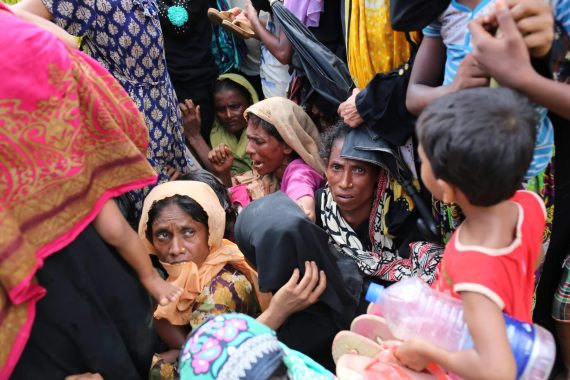
The ICJ majority reached its 9-6 verdict by examining the systematic coordination of the military’s 2017 crackdown, which killed an estimated 10,000 Rohingya and drove more than 700,000 across the border into Bangladesh. Crucially, the judges concluded that the only reasonable inference from that pattern of atrocities was an intent to destroy the Rohingya.
U.N. Special Rapporteur on Myanmar Kelley Currie, in my exchange with her following the ruling, stressed upon how the verdict now shifts the burden onto governments towards real enforcement of international law starting with sanctions on military-linked conglomerate.
While governments whether through universal jurisdiction or as parties to the Genocide Convention or the Rome Statute, examine their legal obligations under those instruments, Currie urged member states to push for a special session in the Human Rights Council, the General Assembly and the Security Council in the coming weeks.
Min Aung Hlaing, commandeer of the Myanmar military at the time of genocide in 2017 now president following a 2021 coup and a sham election, dismissed the split verdict as unfair.
Nicholas Koumjian, leading the U.N. Independent Investigative Mechanism for Myanmar, in exclusive comments to Politics Today, stated that prosecuting individual commanders still requires separate criminal trials. Koumjian, further noted that national and international courts can draw directly on the ICJ’s factual findings, and the court’s explicit order requiring Myanmar to investigate suspects and preserve evidence makes international cooperation urgent.
However, getting Naypyidaw to comply, runs straight into a geopolitical wall. Enforcement of ICJ judgments rests largely with the U.N. Security Council, which is expected to hold closed consultations on the ruling.
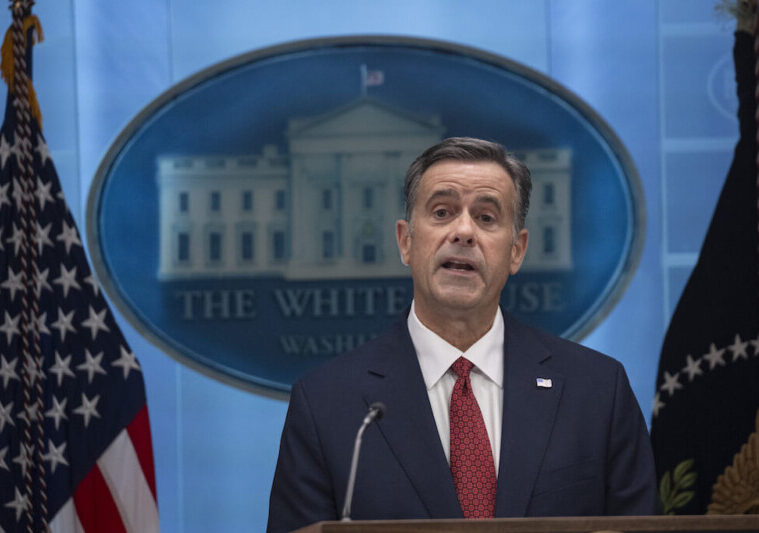
The United Nations faces an immediate divide among the Security Council’s five permanent members. Washington, despite having formally declared the Rohingya atrocities a genocide in 2022, offered a guarded response warning against the court’s “politicization”.
Britain, holds deep ties to its former colony, including ousted leader Aung San Suu Kyi’s British family, responded most forcefully, “Building on existing sanctions against the Myanmar regime, we are ordering the expulsion of the Myanmar Defense Attaché from the UK and calling urgently for a UN Security Council session to discuss the judgment,” Foreign Secretary Ed Miliband said.
On the contrary, China and Russia have shielded the generals since the 2021 coup, are likely to veto any substantive action. Beijing warned against “jurisdictional overreach,” and Moscow, facing its own ICJ genocide case brought by Ukraine, remained silent, prompting Myanmar’s military government to cite Vladimir Putin, Xi Jinping and Donald Trump in rejecting the ICJ verdict.
Matthew Smith, co-founder and executive director of Fortify Rights, speaking to Politics Today, cautioned against what he described as the diplomatic rehabilitation of Myanmar’s military leadership. “The architects of the Rohingya genocide should face criminal prosecution, not diplomatic rehabilitation,” he shared. A court ruling alone cannot protect Rohingya life, and cutting diplomatic or commercial deals with junta chief Min Aung Hlaing without addressing the structural roots of the genocide will only entrench the crisis.
That geopolitical paralysis explains why some in Washington argue that direct talks with Min Aung Hlaing, such as Assistant Secretary of State Michael Vance’s visit in September, offer the only practical leverage left while competing with China for critical minerals.
Recommended
The ICJ ordered Myanmar to facilitate safe returns, restore lost property and submit a reparations plan by November 2028, yet it stopped short of confronting the legal architecture of the genocide, Myanmar’s 1982 Citizenship Law. More than 1.2 million Rohingya remain languishing in overcrowded camps in Cox’s Bazar, Bangladesh. Inside Rakhine, Rohingya civilians face ongoing abuses from both the junta, and the ethnic Arakan Army, which now controls most of the state.
Nay San Lwin, co-chair of the Arakan Rohingya National Council, pointed to the ICJ’s missing citizenship order as a major gap, warning that without repealing the 1982 law and restoring citizenship rights, the ruling risks remaining “just a declaration.” Without those protections and genuine security on the ground, any push for repatriation would return refugees to the exact conditions that enabled their destruction.
The ICJ ruling is a significant development in international jurisprudence, that strengthens the evidentiary record for future accountability efforts and gives the Rohingya a measure of legal recognition after decades of persecution and denial. The ICJ ruling on Rohingya has come thus far, but not far enough. A judgment alone cannot independently overcome the political calculations of states that have the power to block international action.

Noor Eman is an independent political analyst and graduate in Political Science and International Relations based in Istanbul.
You can see how this popup was set up in our step-by-step guide: https://wppopupmaker.com/guides/auto-opening-announcement-popups/

Stay informed by subscribing to
our weekly newsletter.
You can see how this popup was set up in our step-by-step guide: https://wppopupmaker.com/guides/auto-opening-announcement-popups/
You can see how this popup was set up in our step-by-step guide: https://wppopupmaker.com/guides/auto-opening-announcement-popups/
You can see how this popup was set up in our step-by-step guide: https://wppopupmaker.com/guides/auto-opening-announcement-popups/
You can see how this popup was set up in our step-by-step guide: https://wppopupmaker.com/guides/auto-opening-announcement-popups/