Bolsonaro Arrest Deepens Tensions Between US and Brazil
President Trump announced a 50% tariff on Brazilian exports, due to take effect on August 7.
August 5, 2025
B
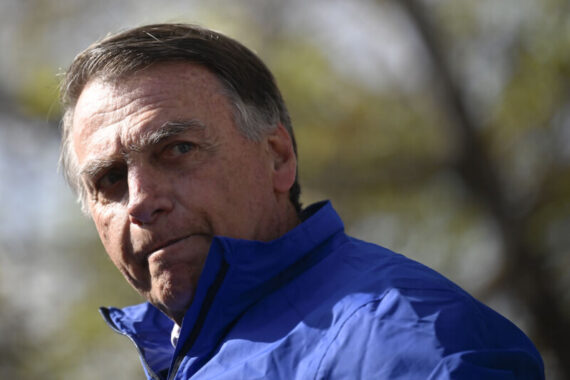
razil’s Supreme Court ordered the house arrest of former President Jair Bolsonaro on Monday, escalating an already volatile political and diplomatic situation that now involves U.S. President Donald Trump, rising tariffs, and deepening institutional rifts.
The arrest order, issued by Supreme Court Justice Alexandre de Moraes, came after Bolsonaro allegedly violated court-imposed restraining orders related to his ongoing trial for attempting to overturn his 2022 election loss. The court’s move was met with swift condemnation from Washington, where Trump has described Bolsonaro’s prosecution as a “witch hunt” and responded with punishing tariffs against Brazilian goods.
The decision underscores both the determination of Brazil’s judiciary to pursue accountability for the former far-right president and the growing backlash from international actors sympathetic to Bolsonaro’s populist cause.
Justice de Moraes cited Bolsonaro’s repeated defiance of court restrictions, including engaging in public appearances and communications in violation of legal orders. Among other measures, Bolsonaro is now banned from using a phone and receiving visitors — except for his legal counsel and individuals specifically authorized by the court.
“Justice is blind, but not foolish,” Moraes wrote in his ruling, emphasizing that Bolsonaro had tried to circumvent the restrictions using intermediaries — including a recent phone call to his son, Senator Flavio Bolsonaro, broadcast during a public protest in Rio de Janeiro.
A spokesperson for Bolsonaro confirmed his house arrest at his Brasilia residence, where police seized his mobile phone. His legal team announced plans to appeal the decision, arguing that he had not knowingly breached any order and calling the house arrest “disproportionate and politically motivated.”
In a statement, Bolsonaro once again lashed out at Moraes, labeling him a “dictator,” echoing remarks he made in a Reuters interview last month in which he described the judiciary’s actions as “cowardice.”
The arrest of Bolsonaro has quickly reverberated far beyond Brazil’s borders. Last week, the U.S. Treasury Department imposed sanctions on Moraes, accusing him of weaponizing legal tools to suppress opposition and curtail freedom of expression — a rare rebuke of a foreign judge by Washington.
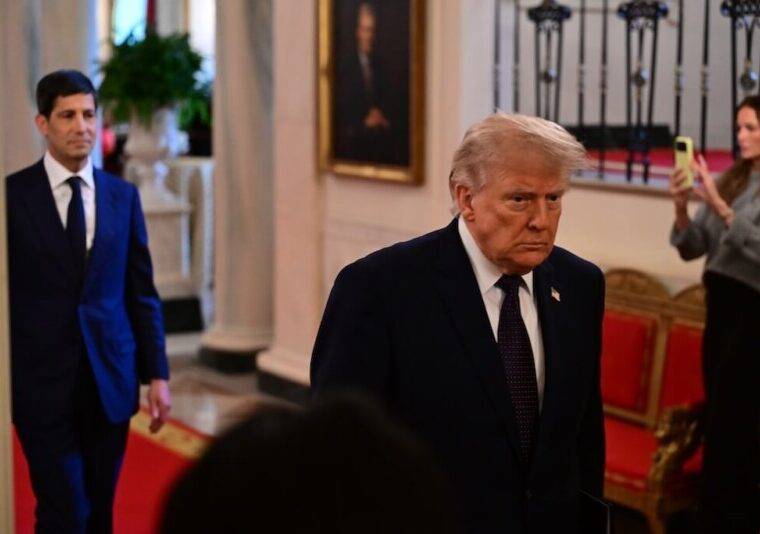
President Trump, in turn, announced a 50% tariff on Brazilian exports, due to take effect Wednesday. He threatened additional economic penalties, declaring the legal proceedings against Bolsonaro “an outrage against democracy.” Trump also released a personal letter to Bolsonaro in which he stated:
“I have seen the terrible treatment you are receiving at the hands of an unjust system turned against you. This trial should end immediately!”
The U.S. State Department warned of further measures against those “aiding and abetting sanctioned conduct,” hinting that pressure on Brazil’s judiciary could intensify if Bolsonaro’s prosecution continues.
Inside Brazil, the arrest order has triggered a surge in political tension. Supporters of the former president took to the streets on Sunday in the largest demonstrations since early 2024, rallying in cities like Brasilia and São Paulo. Protesters denounced the judiciary as politically biased and demanded the release of Bolsonaro, many waving Brazilian flags and wearing the yellow and green associated with the right-wing movement.
Senator Flavio Bolsonaro called the court’s actions “a clear display of vengeance” in retaliation for the U.S. sanctions, accusing Justice Moraes of “causing national upheaval.”
The Supreme Court’s broader investigation into Bolsonaro’s alleged coup attempt centers on a failed bid to overturn the results of the 2022 election, which returned leftist President Luiz Inacio Lula da Silva to power. The inquiry includes Bolsonaro’s ties to military figures and right-wing influencers who spread disinformation and called for a return to military rule.
Comparisons have often been drawn between the January 8, 2023 riots in Brasilia — in which Bolsonaro supporters stormed government buildings — and the January 6, 2021 U.S. Capitol insurrection by Trump loyalists.
In contrast to Trump’s slow-moving legal woes in the United States, Brazilian courts have acted swiftly. Bolsonaro has already been banned from holding public office until 2030 following an electoral court ruling last year.
While Trump’s high-profile support has energized Bolsonaro’s core supporters, some allies in Brazil fear the former U.S. president’s involvement is backfiring. Analysts suggest that Trump’s aggressive rhetoric and sanctions may unintentionally bolster support for Lula’s government, portraying it as a target of foreign interference.
“Trump’s interventions risk alienating moderate voters in Brazil and giving Lula political cover,” said Graziella Testa, a political scientist at the Federal University of Parana.
Still, Bolsonaro’s family continues to actively seek international backing. Congressman Eduardo Bolsonaro, the former president’s son, has been based in the U.S. since the criminal trial began, lobbying conservative lawmakers and think tanks. He claimed that Trump’s tariff decision was influenced in part by their efforts to “raise awareness” in Washington.
Recommended
With the trial underway and Bolsonaro confined, Brazil’s political landscape faces a volatile chapter. Some observers believe Bolsonaro is deliberately provoking escalation, hoping to trigger international backlash that could delegitimize the court process.
“This could all be seen as part of a calculated strategy,” said Leonardo Barreto of Think Policy, a Brasilia-based risk consultancy. “He may want to force a confrontation with the institutions, especially if he believes it helps him remain politically relevant.”
Whether Brazil’s institutions can withstand the pressure — from both domestic unrest and international interference — will shape not only Bolsonaro’s fate but the stability of the country’s fragile democracy in the months ahead.
(Source: Reuters)

Politics Today is dedicated to publishing insightful analyses in order to understand the changing nature of contemporary politics. It aims to contribute to the sound and constructive discussion of international affairs.
You can see how this popup was set up in our step-by-step guide: https://wppopupmaker.com/guides/auto-opening-announcement-popups/

Stay informed by subscribing to
our weekly newsletter.
You can see how this popup was set up in our step-by-step guide: https://wppopupmaker.com/guides/auto-opening-announcement-popups/
You can see how this popup was set up in our step-by-step guide: https://wppopupmaker.com/guides/auto-opening-announcement-popups/
You can see how this popup was set up in our step-by-step guide: https://wppopupmaker.com/guides/auto-opening-announcement-popups/
You can see how this popup was set up in our step-by-step guide: https://wppopupmaker.com/guides/auto-opening-announcement-popups/