China Gains Energy Leverage as Xi Arrives in Washington Amid Iran War
Trump is expected to press Xi over China’s energy relationship with Iran during the meeting in Washington.
September 23, 2026
C
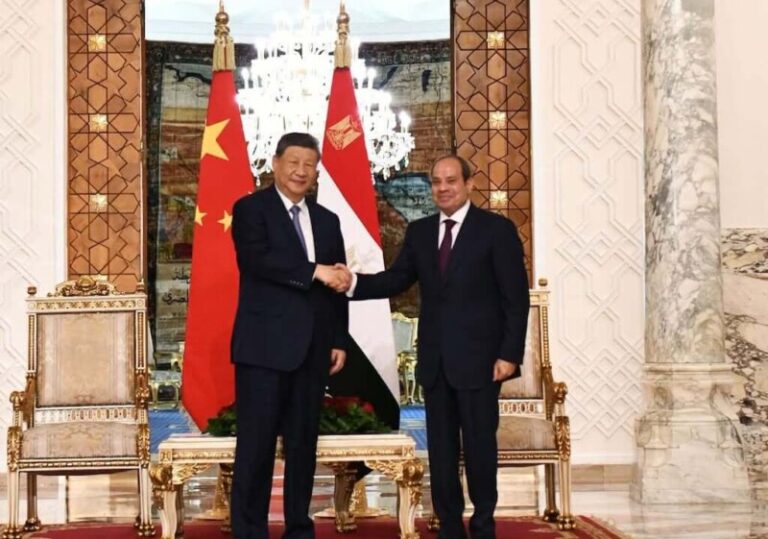
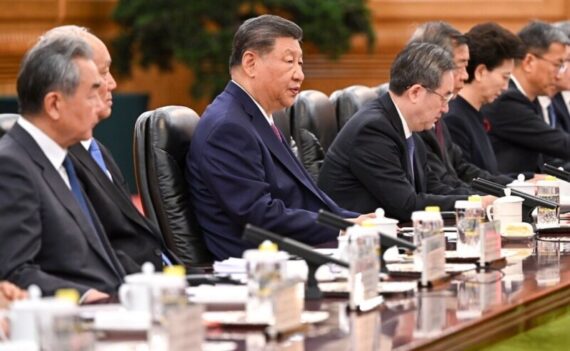
hinese President Xi Jinping arrived in the United States for talks with President Donald Trump on Wednesday, as the war involving Iran has reshaped global energy markets and strengthened Beijing’s position as an increasingly influential player in the international energy system.
Trump is expected to press Xi over China’s energy relationship with Iran during the meeting in Washington. However, analysts and energy executives cited in the report see limited incentives for Beijing to change course, arguing that the conflict has in several ways strengthened China’s economic and strategic leverage.
The war has pushed global energy and commodity prices higher, with oil trading at around $100 a barrel on Tuesday. At the same time, China has expanded exports of clean-energy technologies to countries facing energy insecurity and has relied on its substantial crude oil reserves to cushion the effects of market disruptions.
Erica Downs, a former CIA energy analyst and current senior research scholar at Columbia University’s Center on Global Energy Policy, described China as a major beneficiary of the crisis. She said Beijing had managed the disruption relatively well and was unlikely to feel significant pressure to respond to US requests.
The developments come as Trump’s administration seeks to persuade China to reduce its energy ties with Iran and Russia while increasing purchases of American oil and natural gas.
A senior White House official said the administration would tell Xi that continuing to do business with Iran was unacceptable and that there would be consequences.
The issue is particularly significant because China has been a major buyer of Iranian and Venezuelan crude. Trump has taken measures that have made it more difficult and expensive for Beijing to obtain oil from those sources, while also suggesting that the United States could take control of Venezuelan oil.
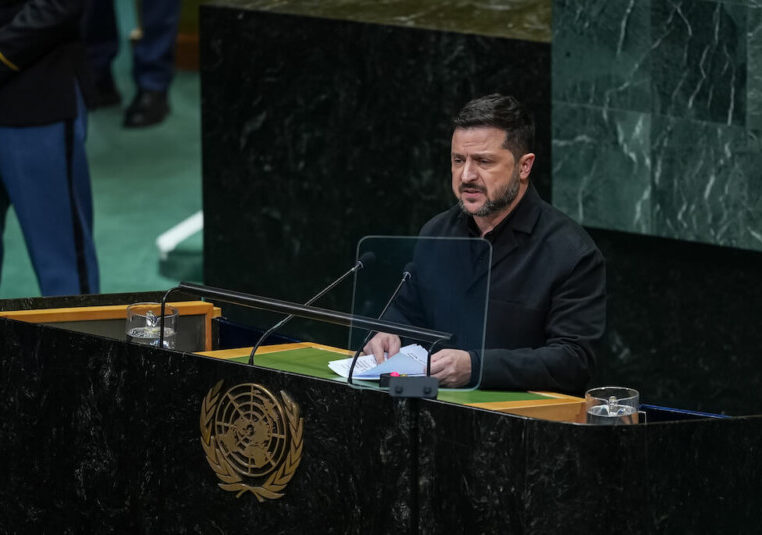
Trump told world leaders at the United Nations on Tuesday that the United States now had a primary claim to Venezuela’s oil, adding: “To the victor belong the spoils.”
At the same time, Washington hopes to encourage Beijing to rely less heavily on Russia for oil and gas and return to the US energy market.
China has sharply reduced direct purchases of US natural gas since Trump imposed tariffs on Chinese imports last year. It also stopped buying US crude oil, although Chinese purchases of fuel from US refiners have increased in recent months.
The Trump administration had previously argued that tariffs on Chinese goods could encourage Beijing to loosen its control over critical minerals and persuade Chinese companies to purchase more American energy.
So far, however, those efforts have produced limited results. An LNG industry executive cited in the report said there was little expectation that the Xi-Trump talks would generate a major breakthrough.
The meeting is also taking place against the backdrop of a war that has absorbed much of the White House’s attention. Philip Luck, an international business analyst at the Center for Strategic and International Studies and a former State Department official, said the administration appeared to have had limited time to prepare for the summit because of the ongoing crisis.
Despite the geopolitical importance of the meeting, energy executives and analysts interviewed for the report did not expect major substantive developments.
Recommended
The conflict has nevertheless highlighted the scale of China’s influence over global energy markets.
China is the world’s largest oil importer and has used its purchasing power to build substantial crude reserves. It has also become a major regional supplier of petroleum products, meaning changes in Chinese exports or domestic demand can influence energy markets well beyond its borders.
The war has also accelerated China’s role in clean-energy markets. Chinese companies are exporting solar panels and electric vehicles to countries seeking alternatives to vulnerable supplies of Middle Eastern oil and gas.
Experts cited in the report said this combination of conventional energy reserves, petroleum exports and clean-energy manufacturing is giving Beijing new forms of leverage in the global energy economy.
Downs said the perception in China is that energy security is increasingly shifting away from control over physical resources such as oil and coal toward control over energy technologies. China’s dominant position in the manufacturing of many clean-energy products puts it in a strong position to meet its own needs while supplying other countries.
Ethan Zindler, head of country and policy research at BloombergNEF and a former US Treasury Department official, said the war was boosting Chinese clean-energy exports into developing markets.
In regions such as sub-Saharan Africa, where many countries are still working to expand electricity access, Chinese solar technology can provide an immediate alternative to dependence on imported fossil fuels.
The developments could therefore have consequences extending well beyond the immediate US-China dispute. As countries seek greater energy security following disruptions in global oil and gas supplies, China is increasingly positioned to provide both energy products and the technologies needed for electrification.
For Washington, that presents a difficult backdrop to the Xi-Trump meeting. The United States is seeking to use trade and energy policy to influence Beijing’s relationship with Iran, Russia and global commodity markets. Yet the Iran war has simultaneously strengthened China’s position in areas ranging from oil reserves and petroleum products to solar panels and electric vehicles.
The result is a US-China meeting taking place at a moment when the global energy landscape is changing rapidly, with China gaining influence through both traditional energy markets and the expanding clean-energy economy.
(Source: Politico)

Politics Today is dedicated to publishing insightful analyses in order to understand the changing nature of contemporary politics. It aims to contribute to the sound and constructive discussion of international affairs.
You can see how this popup was set up in our step-by-step guide: https://wppopupmaker.com/guides/auto-opening-announcement-popups/

Stay informed by subscribing to
our weekly newsletter.
You can see how this popup was set up in our step-by-step guide: https://wppopupmaker.com/guides/auto-opening-announcement-popups/
You can see how this popup was set up in our step-by-step guide: https://wppopupmaker.com/guides/auto-opening-announcement-popups/
You can see how this popup was set up in our step-by-step guide: https://wppopupmaker.com/guides/auto-opening-announcement-popups/
You can see how this popup was set up in our step-by-step guide: https://wppopupmaker.com/guides/auto-opening-announcement-popups/