Defense Industry: Strategic Cooperation in Turkey-Egypt Relations
Cooperation between Turkey and Egypt in this area could usher in a new era in regional alliances and lead to the emergence of a deterrent political will against Israel.
September 25, 2025
T
he recent rapprochement in Turkey-Egypt relations is becoming increasingly evident through mutual visits and cooperation in various fields. Following visits by the presidents of both countries last year, relations gained new momentum, resulting in concrete outcomes. The two countries’ joint stance on Israel’s attacks on Gaza; joint foreign policy moves in crisis areas such as Libya, Sudan and Somalia; increased economic and social interaction; and, finally, accelerating cooperation in the defense industry can be considered important concrete outcomes.
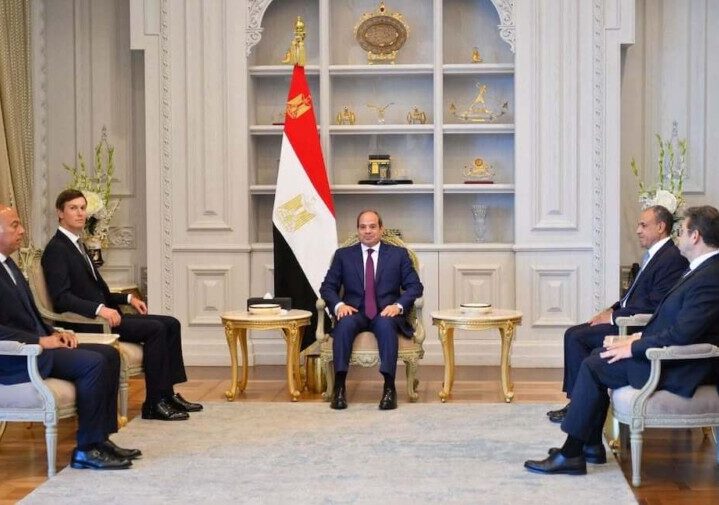
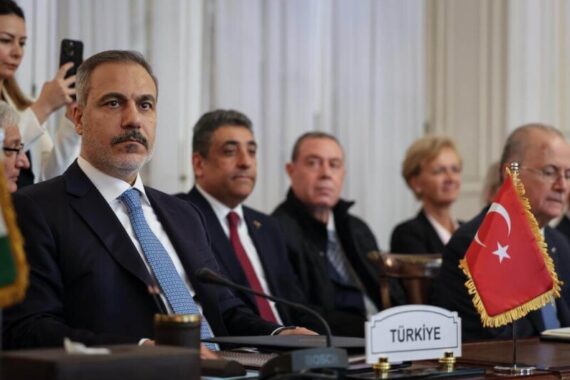
Meanwhile, diplomatic actors have been working intensively to maintain the momentum of this process. In this context, Foreign Minister Hakan Fidan visited Egypt three times over the past year, demonstrating Turkey’s determination to develop relations. The most recent of these visits took place in August 2025. During the visit, Hakan Fidan, who was received by Egyptian President Abdel Fattah El-Sisi, also met with his Egyptian counterpart Bedir Abdulati and Arab League Secretary-General Ahmed Abu Ghait to discuss regional issues, particularly Gaza, and bilateral relations.
The main agenda of Fidan’s visit was undoubtedly to stop Israel’s massacres in Gaza. In a press statement with his Egyptian counterpart Abdulati, Fidan stated that Israel’s intention to completely occupy Gaza would be a new phase of genocide, emphasising that they rejected this plan. In his statement, Foreign Minister Fidan also targeted Israeli Prime Minister Benjamin Netanyahu, saying, “The oppressor will be erased from history along with his oppression. You will see this happen to Netanyahu too. You will see that the blood of the people he has condemned to starvation, killed, and targeted daily by snipers for his own pleasure will drown him.”
Egyptian Foreign Minister Abdulati similarly emphasized that Israel’s massacres must end, and a ceasefire must be implemented immediately, demonstrating Cairo’s determination to end the crisis.
The anti-Israel stance in the two ministers’ statements reveals that Turkey and Egypt have adopted a common policy on this issue. Indeed, Ankara and Cairo are seen as leading actors in protecting the rights of Palestinians at a time when Gulf countries have remained relatively unresponsive and the U.S. has given its full support to Israel. This issue is particularly critical for Turkey. President Recep Tayyip Erdoğan’s clear stance against Israel is a clear indication of this. At this point, Turkey’s efforts to stop Israel by intensifying its cooperation with other Arab countries in the region and other Islamic countries are noteworthy.
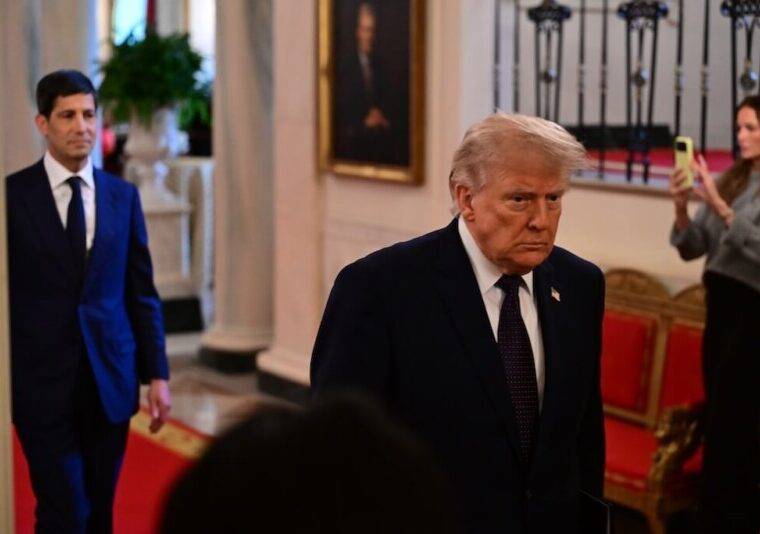
On the other hand, Egypt is being pressured by both domestic and regional public opinion to be more active on the Palestinian issue due to the deepening humanitarian crisis in Gaza. The Israeli administration’s plan to force the population of Gaza to migrate to Egypt, with the support of U.S. President Donald Trump, is putting serious pressure on Cairo. Feeling this pressure increasingly, Egyptian President Abdel Fattah El-Sisi is forced to act more cautiously so as not to damage his close relations with the U.S. and Gulf countries. On the other hand, the El-Sisi administration is also attempting to form a united front against Israel by acting in concert with Turkey.
The process of cooperation and rapprochement between Egypt and Turkey is not limited to the Palestinian issue. Egypt, which is going through an economically fragile period, aims to attract investment and increase its exports by advancing its trade relations with Turkey. Thanks to the efforts of President Erdoğan and Foreign Minister Fidan to implement new cooperation mechanisms with Egypt, the trade volume between the two countries has reached its highest point in history, amounting to $8.8 billion. This rapid momentum in economic relations indicates that the $15 billion trade volume target set by the leaders of the two countries could be achieved in the near future.
Another dimension that has come to the fore in relations in recent times is cooperation in the defence industry. Egypt, which has one of the world’s largest armies, does not have the same capacity in terms of defense industry technologies and military inventory. This is due to supply problems caused by foreign policy disagreements, difficulties arising from limited economic resources, and modernization challenges.
At this point, political disagreements with the U.S. from time to time have led to questions about whether Washington is a reliable military partner for Cairo. This situation resurfaced in March 2025 when the U.S. administration announced that it would reduce military aid to Cairo due to differences of opinion on the Gaza issue. The Trump administration’s decision, to be implemented in 2026, was justified by the El-Sisi government’s opposition to the displacement of the Gaza population.
At this point, the possibility of strategic cooperation between Egypt and Turkey in the defense industry has become more apparent. Firstly, significant progress has been made recently on the idea of cooperation in the joint production and use of Turkey’s indigenous fifth-generation fighter jet KAAN, which was raised by Egyptian President Abdel Fattah El-Sisi during his visit to Turkey in September 2024.
Recommended
Following contacts between the military staffs of the two countries, Egyptian Chief of Staff Ahmed Halife visited Turkey in May and inspected Turkey’s advanced technology products in the defense industry, particularly the KAAN project. The contacts that continued after the visit accelerated the process of intensifying cooperation between the two countries on the joint production of both KAAN and other military equipment. Claims that official agreements in this area could be signed before the end of 2025 have been reported in international media outlets.
These developments are closely related to Turkey and Egypt’s desire to reduce their dependence on foreign countries, particularly in the defence industry, while also strengthening their position as exporters of defence products. In this sense, Ankara’s performance, which has made significant progress in recent years, has also attracted the attention of countries prioritising economic diversification initiatives in the region.
Turkey, one of the world’s leading exporters of UAVs and UCAVs, has also become a major player in the export of unmanned naval vehicles, military land vehicles and other defense industry products. Aiming to become the fourth country after the U.S., Russia and China to produce this technology with its national capabilities through its fifth-generation fighter jet project, Turkey attaches great importance to the KAAN project.
Cooperation between Turkey and Egypt in this area could usher in a new era in regional alliances and lead to the emergence of a deterrent political will against Israel, which is seen as a threat by many actors in the region. Indeed, Israel’s massacres in Gaza, its violent actions against Palestinians and its aggressive policies in Syria are drawing the reaction of not only regional but also many global actors, prompting initiatives to increase international pressure on Tel Aviv to change its policies.
At this point, Turkey aims to take more deterrent measures against Israel, with the support of countries such as Egypt, Saudi Arabia, the United Arab Emirates, Qatar, Pakistan and Spain. In addition, by developing fifth-generation fighter jet projects such as KAAN and air defense systems such as SİPER, Ankara also aims to prevent Israel from posing a direct threat in the future.

Ismail Numan Telci is the Vice President of Center for Middle Eastern Studies (ORSAM). He is also an Associate Professor at the Middle East Institute (ORMER) and at the Department of International Relations at Sakarya University. He is the author/editor of many books including 'Dictionary of the Egyptian Revolution', 'Eastern Mediterranean in International Politics' and 'Gulf Foreign Policy'. His comments appeared on international outlets including Al Jazeera, BBC, Le Monde, TRT World and Deutsche Welle.
You can see how this popup was set up in our step-by-step guide: https://wppopupmaker.com/guides/auto-opening-announcement-popups/

Stay informed by subscribing to
our weekly newsletter.
You can see how this popup was set up in our step-by-step guide: https://wppopupmaker.com/guides/auto-opening-announcement-popups/
You can see how this popup was set up in our step-by-step guide: https://wppopupmaker.com/guides/auto-opening-announcement-popups/
You can see how this popup was set up in our step-by-step guide: https://wppopupmaker.com/guides/auto-opening-announcement-popups/
You can see how this popup was set up in our step-by-step guide: https://wppopupmaker.com/guides/auto-opening-announcement-popups/