Dutch Minister: F-35 Software Could be “Cracked Like an iPhone”
Tuinman said the Netherlands is working closely with Norway and soon with Poland to reduce Europe’s dependence on U.S.-controlled F-35 software systems.
February 17, 2026
T
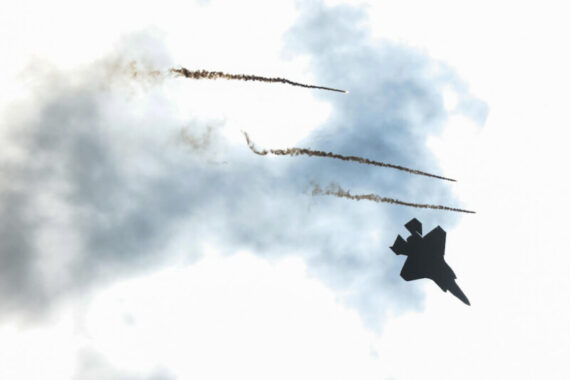
he Netherlands’ caretaker government has signaled it is exploring ways to reduce reliance on U.S. control over advanced fighter jet software, with State Secretary for Defence Gijs Tuinman saying the country could potentially bypass American restrictions on the F-35.
Speaking on the Boekestijn & De Wijk podcast on BNR Nieuwsradio, Tuinman discussed Europe’s preparedness for a possible large-scale Russian attack on NATO territory, the future of European defense cooperation without U.S. backing, and concerns about dependency on American software updates for the F-35 Lightning II.
Tuinman said that by the end of 2028 the Netherlands aims to have key capabilities in place to counter the Russian threat. These include the delivery of new tanks, additional F-35 fighter jets, ordered Tomahawk missiles and expanded artillery systems.
He emphasized that strengthening deterrence against Russia is a central priority for The Hague and its NATO allies.
A major point of discussion was whether Dutch F-35 aircraft could face operational limits if the United States chose to withhold critical software updates.
Tuinman said the Netherlands is working closely with Norway and soon with Poland to reduce Europe’s dependence on U.S.-controlled software systems for the aircraft over the next 18 to 24 months.
“If that happens, we will see whether the Americans really clarify their position,” he said, referring to the possibility of Washington stepping back as a close defense partner.
Recommended
In a striking remark, Tuinman suggested that alternatives exist if cooperation on software updates were refused.
“I’m going to say something I should never tell you, but I’ll say it anyway,” he said on the podcast. “In the end, you have another option. You can also crack the F-35’s software. Just like an iPhone. I won’t say anything more about that.”
The comment underscores growing unease in parts of Europe about strategic autonomy and the risks of heavy reliance on U.S.-supplied defense technology, particularly as geopolitical tensions rise and questions linger over long-term American commitments to European security.
Dutch officials have not indicated that any such step is planned, but Tuinman’s remarks reflect a broader debate within NATO about sovereignty, interoperability and technological control in an increasingly uncertain security environment.
(Source: Hablerler)

Politics Today is dedicated to publishing insightful analyses in order to understand the changing nature of contemporary politics. It aims to contribute to the sound and constructive discussion of international affairs.
You can see how this popup was set up in our step-by-step guide: https://wppopupmaker.com/guides/auto-opening-announcement-popups/

Stay informed by subscribing to
our weekly newsletter.
You can see how this popup was set up in our step-by-step guide: https://wppopupmaker.com/guides/auto-opening-announcement-popups/
You can see how this popup was set up in our step-by-step guide: https://wppopupmaker.com/guides/auto-opening-announcement-popups/
You can see how this popup was set up in our step-by-step guide: https://wppopupmaker.com/guides/auto-opening-announcement-popups/
You can see how this popup was set up in our step-by-step guide: https://wppopupmaker.com/guides/auto-opening-announcement-popups/