Europe Faces Security Challenges Over US Troop Withdrawal Plan
The planned US withdrawal of 5,000 troops from Europe highlights the continent’s long-standing dependence on US military support, even as threats from Russia persist.
May 6, 2026
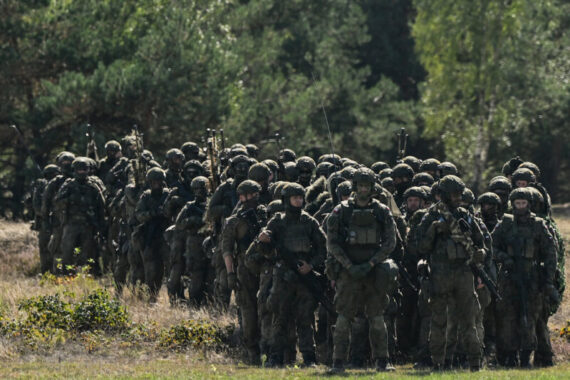
A
planned withdrawal of 5,000 US troops from Germany may appear limited in scale, but analysts warn it reflects a far broader challenge confronting NATO and European security.
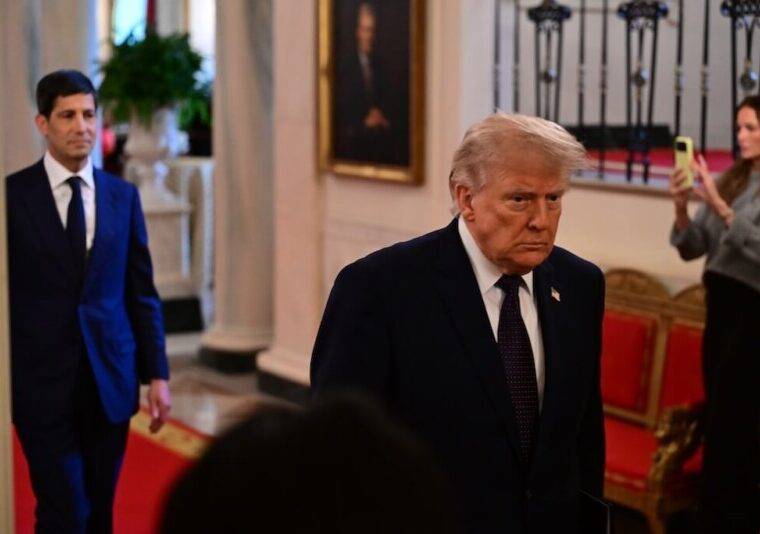
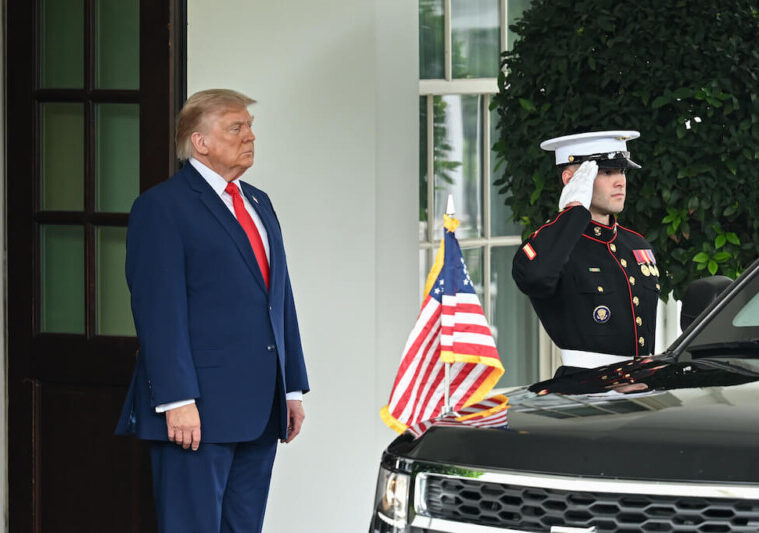
The decision, announced by Donald Trump, comes amid escalating tensions between Washington and its European allies. Disputes over tariffs, disagreements on support for Ukraine, and sharp rhetoric surrounding the Iran conflict have deepened divisions across the Atlantic alliance.
The troop reduction follows criticism from German Chancellor Friedrich Merz, who accused the United States of mishandling tensions with Iran. In response, Trump signaled not only the withdrawal from Germany but also hinted at possible reductions in other European countries, including Italy and Spain.
Spain has already refused US requests to use its bases for operations linked to the Iran conflict, while Trump criticized both countries for what he described as insufficient support.
For years, Trump has argued that Europe relies too heavily on US military protection, frequently singling out Germany for failing to meet defense spending expectations.
Despite the planned reduction, Germany still hosts tens of thousands of US troops, far fewer than during the Cold War, when troop levels reached around 250,000.
Officials in Washington suggest the shift reflects a broader strategic pivot. According to Pentagon leadership, the US intends to focus on regions where its military power is uniquely decisive, particularly in Asia and the Western Hemisphere.
European leaders, however, view the move as a sign of weakening commitment. Polish Prime Minister Donald Tusk warned that internal divisions now pose a greater threat to the alliance than external adversaries.
The withdrawal highlights Europe’s long-standing dependence on US military support, even as threats from Russia persist.
In response, key nations, including France, United Kingdom, and Germany, have pledged to significantly increase defense spending. Projections suggest European defense budgets could nearly double by 2030.
Yet financial investment alone may not be enough.
Europe’s defense industry remains fragmented, with multiple countries producing competing systems rather than coordinating efforts. This lack of integration drives up costs and slows development. For example, Europe manufactures several types of battle tanks, while the US focuses on a single main model, improving efficiency and scale.
Joint defense projects have also struggled. A high-profile effort between France and Germany to develop next-generation fighter jets has faced repeated delays due to disagreements over leadership and design priorities.
One of the most urgent concerns is missile defense. European systems currently lack the scale and sophistication of US platforms such as Patriot and THAAD systems, which have been heavily deployed in recent conflicts.
At the same time, the Pentagon has canceled plans to deploy additional long-range missile units to Europe, further widening capability gaps.
The European Union is attempting to address these vulnerabilities by encouraging member states to source more defense equipment domestically. By 2030, at least half of defense procurement is expected to remain within the EU.
However, transitioning away from US systems presents risks, particularly as global demand for weapons increases amid ongoing conflicts.
Recommended
Europe now faces a strategic choice. A faster path to rearmament would rely on continued US cooperation, but that depends on trust that appears increasingly strained.
The alternative is a slower, more independent route requiring greater spending, deeper industrial integration, and political willingness to pool sovereignty, an objective that has long proved elusive.
Despite the challenges, there are signs of progress. Defense companies such as Saab, Rheinmetall, and BAE Systems report record demand, while newer NATO members Sweden and Finland have rapidly integrated into the alliance.
Still, the withdrawal of 5,000 troops underscores a critical reality: Europe’s security architecture is entering a period of transition, with uncertain implications for the future of transatlantic cooperation.
(Source: CNN)

Politics Today is dedicated to publishing insightful analyses in order to understand the changing nature of contemporary politics. It aims to contribute to the sound and constructive discussion of international affairs.
You can see how this popup was set up in our step-by-step guide: https://wppopupmaker.com/guides/auto-opening-announcement-popups/

Stay informed by subscribing to
our weekly newsletter.
You can see how this popup was set up in our step-by-step guide: https://wppopupmaker.com/guides/auto-opening-announcement-popups/
You can see how this popup was set up in our step-by-step guide: https://wppopupmaker.com/guides/auto-opening-announcement-popups/
You can see how this popup was set up in our step-by-step guide: https://wppopupmaker.com/guides/auto-opening-announcement-popups/
You can see how this popup was set up in our step-by-step guide: https://wppopupmaker.com/guides/auto-opening-announcement-popups/