Europe Pushes Back on US Military Operations as Iran War Divides Allies
Spain has emerged as one of the most outspoken critics of the U.S.-Israeli war against Iran.
April 1, 2026
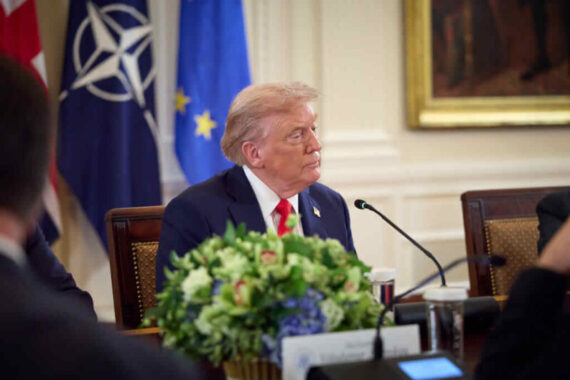
D
ivisions are emerging within NATO as several European countries resist supporting U.S.-Israeli military operations against Iran. The disagreement highlights growing unease across Europe about the direction and legality of the month-long war.
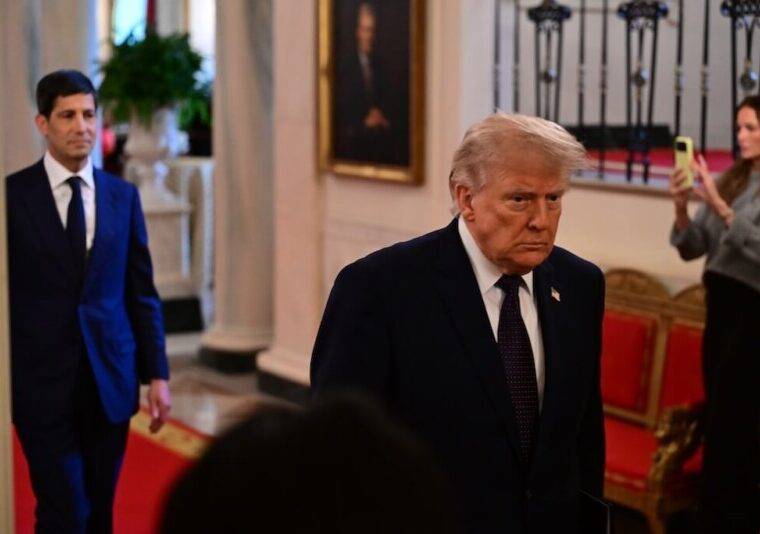
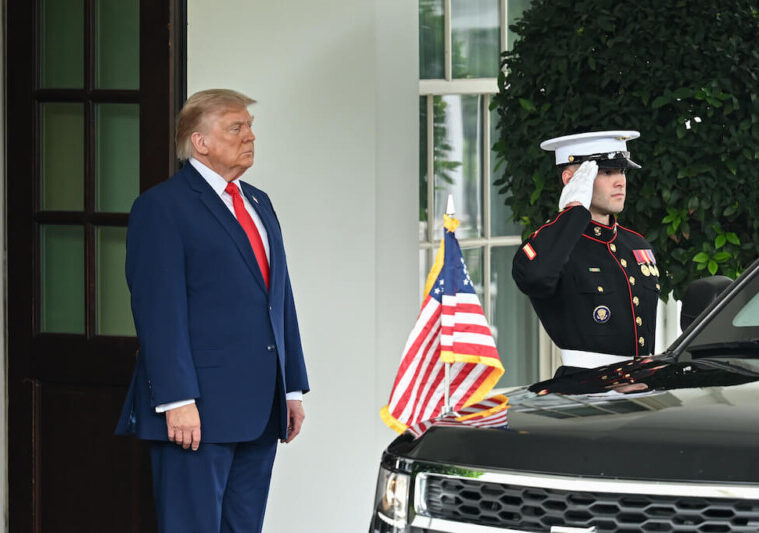
U.S. President Donald Trump has sharply criticized European allies, accusing them of failing to support Washington’s efforts. He described some partners as “unhelpful” and previously labeled them “cowards,” underscoring rising tensions within the alliance.
The dispute comes as the war intensifies, placing pressure on long-standing transatlantic relationships and raising questions about NATO cohesion during a major geopolitical crisis.
France has taken an unprecedented step by refusing to allow its airspace to be used for transporting U.S. weapons to Israel for operations against Iran. According to diplomatic sources, this marked the first such denial since the war began.
The French government said the decision was consistent with its policy since the start of the war. However, Israeli officials reacted strongly, accusing Paris of obstructing critical military logistics. In response, Israel signaled it could suspend defense procurement from France.
Italy has also imposed limits. Authorities reportedly denied permission for U.S. military aircraft to land at the Sigonella air base in Sicily en route to the Middle East. Italian Defense Minister Guido Crosetto later downplayed the move, saying it reflected standard procedures requiring specific authorization for operations beyond existing agreements.
Spain has emerged as one of the most outspoken critics of the U.S.-Israeli campaign. Prime Minister Pedro Sánchez has openly questioned the strikes, while Defense Minister Margarita Robles emphasized that Spanish bases would only be used for NATO’s collective defense—not for offensive operations.
Madrid has gone further by fully closing its airspace to U.S. aircraft involved in attacks on Iran, citing adherence to international law.
Trump also criticized the United Kingdom for its limited involvement, despite its close alliance with Washington. His remarks coincided with a planned state visit by King Charles III to the United States, adding a diplomatic layer to the tensions.
Recommended
The disagreements extend beyond individual countries. Germany, which hosts the major U.S. military hub at Ramstein Air Base, initially placed no restrictions on its use. However, debate has intensified after Frank-Walter Steinmeier suggested the war may be illegal under international law.
Analysts say these fractures could weaken NATO unity at a critical moment, potentially complicating U.S. military planning and signaling a broader reluctance in Europe to be drawn deeper into the war.
As the war continues, Europe’s cautious stance reflects a balancing act: maintaining alliance commitments while avoiding escalation in a war that many leaders fear could spiral further across the region.
(Source: Reuters)

Politics Today is dedicated to publishing insightful analyses in order to understand the changing nature of contemporary politics. It aims to contribute to the sound and constructive discussion of international affairs.
You can see how this popup was set up in our step-by-step guide: https://wppopupmaker.com/guides/auto-opening-announcement-popups/

Stay informed by subscribing to
our weekly newsletter.
You can see how this popup was set up in our step-by-step guide: https://wppopupmaker.com/guides/auto-opening-announcement-popups/
You can see how this popup was set up in our step-by-step guide: https://wppopupmaker.com/guides/auto-opening-announcement-popups/
You can see how this popup was set up in our step-by-step guide: https://wppopupmaker.com/guides/auto-opening-announcement-popups/
You can see how this popup was set up in our step-by-step guide: https://wppopupmaker.com/guides/auto-opening-announcement-popups/