Foreign Minister: Türkiye Opposes Any Military Intervention against Iran
Fidan underlined Iran’s importance to Türkiye, noting that developments in Tehran directly affect Ankara’s interests.
January 16, 2026
T
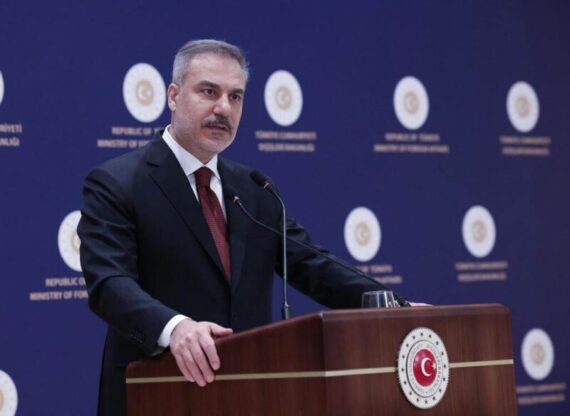
ürkiye is opposed to “any military intervention” against Iran and believes Tehran should resolve its internal challenges through diplomacy, Turkish Foreign Minister Hakan Fidan said on Thursday.
Speaking to journalists in Istanbul, Fidan stressed that Türkiye does not want to see foreign interference in Iran, even as the country faces economic hardship and social unrest.
“When examined closely, there is no situation that would whet the appetite of some countries hostile to Iran abroad in terms of hostility toward the regime,” Fidan said. “However, economic difficulties created by existing policies do give rise to serious problems. We do not want to see any intervention here.”
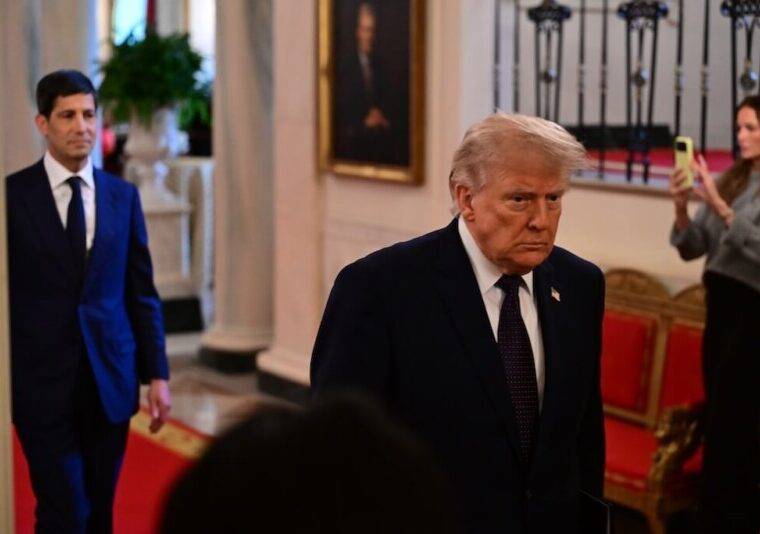
Referring to recent comments by U.S. President Donald Trump, Fidan said Ankara has not observed a strong inclination by Washington to deploy ground forces against Iran.
Addressing ongoing protests, Fidan said economic sanctions restrict services and opportunities, fueling public dissatisfaction in a country with a large, dynamic population. He cautioned against misinterpreting economic hardship as purely ideological opposition.
“What gets confused here is that the hardships people face due to economic and other difficulties can appear as an ideological uprising against the regime,” he said, calling it a “grey area.”
Fidan underlined Iran’s importance to Türkiye, noting that developments in Tehran directly affect Ankara’s interests. He said Türkiye hopes Iran and the United States can resolve their disputes through dialogue, mediation, or direct talks.
He added that he has encouraged his Iranian counterpart to pursue diplomatic solutions on the nuclear issue in order to ease structural problems contributing to Iran’s economic difficulties.
Turning to Syria, Fidan said the YPG/SDF remains a threat to both Türkiye and regional stability, reiterating Ankara’s demand that the group comply with the March 10 agreement brokered with the Syrian government.
Türkiye has no issue with Kurdish people in Syria, Fidan said, but opposes terrorist organizations operating under different names across multiple countries.
He warned that if dialogue fails and agreements are not implemented in good faith, Damascus may consider using force to preserve unity and order.
Fidan also said that if a peace agreement is reached between Russia and Ukraine, Turkish naval forces would take a leading role in overseeing security in the Black Sea.
According to current planning, Türkiye would be responsible for maritime security, while other countries, including the United Kingdom and France, would lead air and land components, he said.
On Gaza, Fidan said Israel is not genuinely committed to implementing the peace plan, accusing the Israeli government of pursuing policies aimed at displacing Palestinians.
He emphasized that Türkiye’s priority remains humanitarian aid and the establishment of governance mechanisms led by Palestinians in the next phase of the plan.
Recommended
Fidan said Türkiye is working to have U.S. CAATSA sanctions lifted, noting that political will exists following recent discussions between President Recep Tayyip Erdoğan and President Trump.
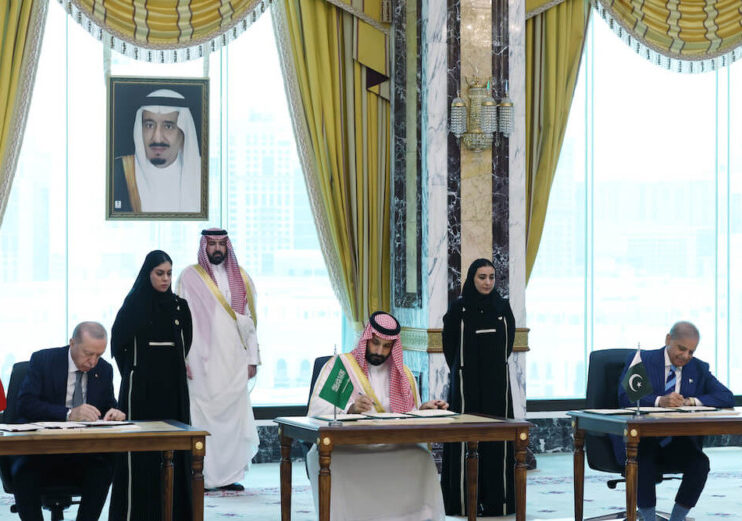
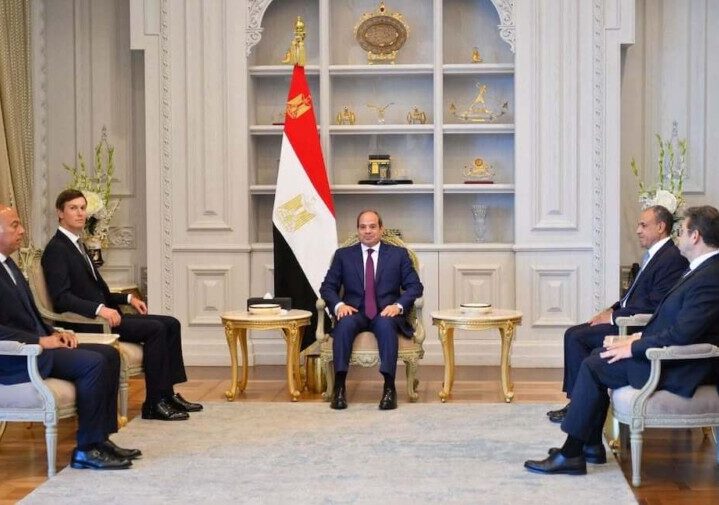
He added that talks are ongoing regarding potential regional security cooperation with countries such as Saudi Arabia and Egypt, though no formal agreements have yet been reached.
Fidan also reaffirmed Türkiye’s opposition to any attempts to encircle the country in the eastern Mediterranean, stressing Ankara’s support for territorial integrity in regions including Yemen and Somalia.
On the South Caucasus, he highlighted the strategic importance of the Zangezur Corridor and expressed support for continued normalization efforts between Azerbaijan, Armenia, and Türkiye.
Finally, Fidan said Türkiye is closely monitoring tensions between the United States and Denmark over Greenland, expressing hope that the issue can be resolved through compromise.
(Source: Anadolu Agency)

Politics Today is dedicated to publishing insightful analyses in order to understand the changing nature of contemporary politics. It aims to contribute to the sound and constructive discussion of international affairs.
You can see how this popup was set up in our step-by-step guide: https://wppopupmaker.com/guides/auto-opening-announcement-popups/

Stay informed by subscribing to
our weekly newsletter.
You can see how this popup was set up in our step-by-step guide: https://wppopupmaker.com/guides/auto-opening-announcement-popups/
You can see how this popup was set up in our step-by-step guide: https://wppopupmaker.com/guides/auto-opening-announcement-popups/
You can see how this popup was set up in our step-by-step guide: https://wppopupmaker.com/guides/auto-opening-announcement-popups/
You can see how this popup was set up in our step-by-step guide: https://wppopupmaker.com/guides/auto-opening-announcement-popups/