Fuel Prices Surge as Iran War Disrupts Energy Markets
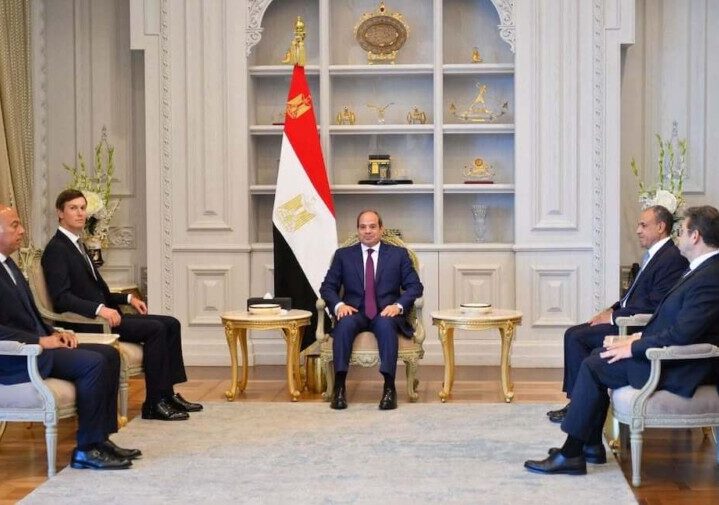
In Egypt, one of the region’s largest energy importers, authorities have imposed energy-saving restrictions such as reduced business hours and cuts to public lighting.
March 25, 2026
D
eveloping economies across Asia, Africa, and the Middle East are facing mounting economic pressure as the ongoing war involving the United States, Israel, and Iran drives a sharp rise in global energy prices, with some of the world’s poorest populations bearing the heaviest burden.
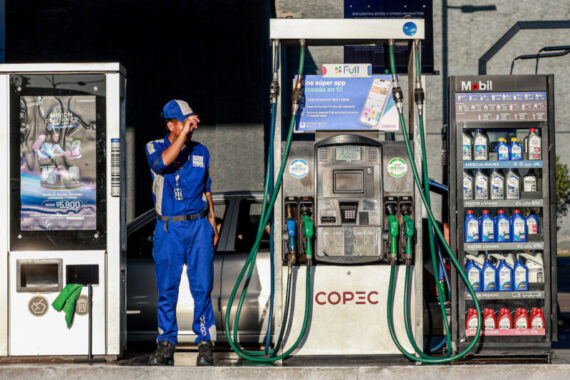
The crisis has been triggered in large part by disruptions in the Strait of Hormuz, a critical global oil transit route, alongside attacks on energy infrastructure across the Gulf. These developments have constrained supply and sent fuel prices soaring worldwide.
Countries heavily reliant on imported fuel — including Pakistan, Bangladesh, Sri Lanka, Egypt, and Ethiopia — are experiencing what analysts describe as a “double shock”: rising import costs combined with limited fiscal capacity to absorb them.
In Pakistan, which imports roughly 80 percent of its energy needs, authorities have introduced emergency conservation measures. These include closing schools, enforcing a four-day government workweek, and mandating remote work for public sector employees.
Prime Minister Shehbaz Sharif has resisted raising fuel prices ahead of the Eid al-Fitr celebrations, pledging that the government will temporarily absorb the additional costs. However, earlier price increases of 55 rupees per litre have already strained households.
Economists warn that the situation may worsen as global price pressures continue to filter into domestic markets.
In Bangladesh, which imports approximately 95 percent of its oil, fuel reserves are expected to be depleted within days. Reports indicate that petrol stations in several districts have already run dry despite rationing efforts.
Sri Lanka, still recovering from a prolonged economic crisis, has implemented strict fuel-saving policies, including weekly public holidays and a mandatory fuel pass system for vehicle owners.
In Egypt, one of the region’s largest energy importers, authorities have imposed energy-saving restrictions such as reduced business hours and cuts to public lighting.
The government has also increased fuel prices by between 15 and 22 percent, citing unsustainable subsidy costs.
President Abdel Fattah el-Sisi defended the move, warning that failure to act could result in more severe economic consequences.
The crisis has been compounded by the weakening of developing countries’ currencies against the U.S. dollar, which is widely used in global oil transactions.
As investors shift toward safer assets amid geopolitical uncertainty, currencies in countries such as Indonesia and the Philippines have approached record lows, further increasing the cost of imports.
Experts warn that rising fuel costs will have cascading effects across economies, particularly in agriculture and transport.
In Pakistan, diesel — a key input for farming and freight — is already driving up transportation costs. Analysts predict that upcoming wheat harvests could become significantly more expensive, leading to higher food prices nationwide.
“Diesel is the backbone of Pakistan’s freight and agricultural economy,” said Khalid Waleed, a policy researcher based in Islamabad. “Higher transport costs will feed directly into food inflation.”
Given that staple foods such as wheat flour make up a large portion of household spending for low-income families, the impact is expected to be severe.
Recommended
According to analysts, countries most vulnerable to the crisis include Pakistan, Bangladesh, Sri Lanka, Jordan, Senegal, Angola, Ethiopia, and Zambia — particularly those with high debt levels and limited foreign currency reserves.
Economists warn that continued price shocks could trigger inflation, fiscal crises, and social unrest.
“In vulnerable economies, governments attempt to shield populations through subsidies,” said Yeah Kim Leng, an economist in Malaysia. “But with shrinking fiscal space, this becomes unsustainable.”
With no clear end to the war in sight, analysts expect energy markets to remain volatile in the coming weeks.
For millions across the Global South, the consequences are immediate and tangible: higher transport costs, rising food prices, and increasing pressure on already fragile household incomes.
As governments struggle to balance fiscal stability with social protection, the war’s economic fallout is rapidly evolving into a broader humanitarian concern — far beyond the battlefield.
(Source: Aljazeera English)

Politics Today is dedicated to publishing insightful analyses in order to understand the changing nature of contemporary politics. It aims to contribute to the sound and constructive discussion of international affairs.
You can see how this popup was set up in our step-by-step guide: https://wppopupmaker.com/guides/auto-opening-announcement-popups/

Stay informed by subscribing to
our weekly newsletter.
You can see how this popup was set up in our step-by-step guide: https://wppopupmaker.com/guides/auto-opening-announcement-popups/
You can see how this popup was set up in our step-by-step guide: https://wppopupmaker.com/guides/auto-opening-announcement-popups/
You can see how this popup was set up in our step-by-step guide: https://wppopupmaker.com/guides/auto-opening-announcement-popups/
You can see how this popup was set up in our step-by-step guide: https://wppopupmaker.com/guides/auto-opening-announcement-popups/