Houthis in Yemen Join the War between US-Israel and Iran
Israel intercepted two drones launched by Yemen's Houthis, marking the second such attack since the start of the war with Iran.
March 30, 2026
I
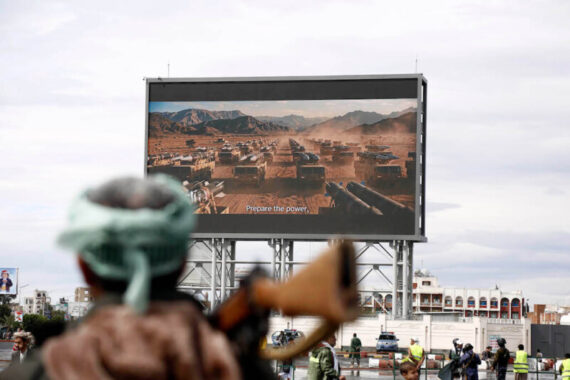
srael said it intercepted two drones launched from Yemen early Monday, marking the second such attack since the start of the U.S.-Israeli war with Iran. The Israeli military also reported multiple waves of missile strikes from Iran, highlighting a growing multi-front conflict across the Middle East. Yemen’s Iran-aligned Houthi movement entered the war over the weekend, raising fears of a broader regional escalation.
Israel’s air force responded with strikes targeting what it described as Iranian military infrastructure in Tehran and other areas. The escalation comes amid intensifying hostilities that have already drawn in several regional actors and disrupted global stability.
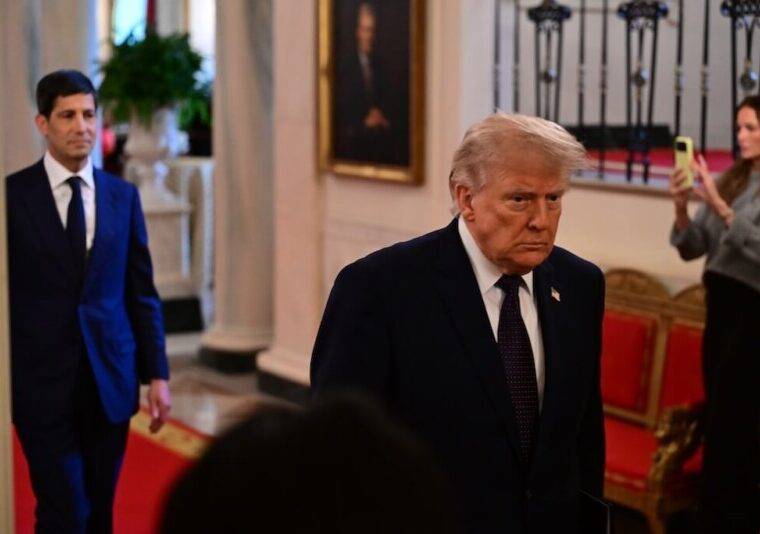
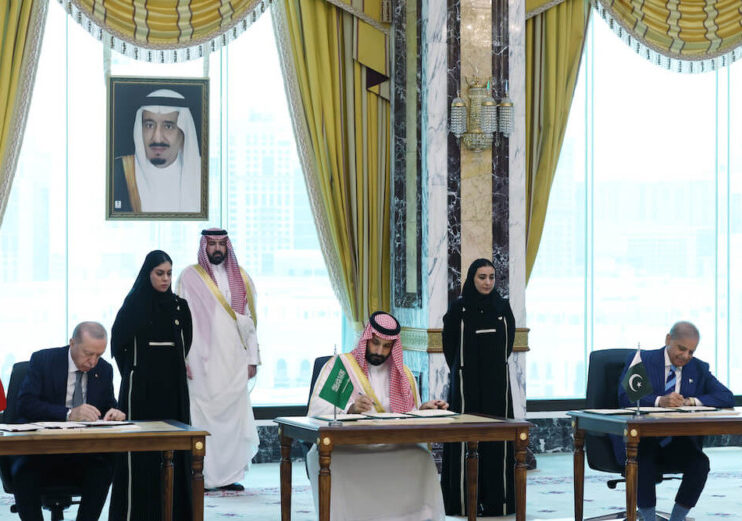
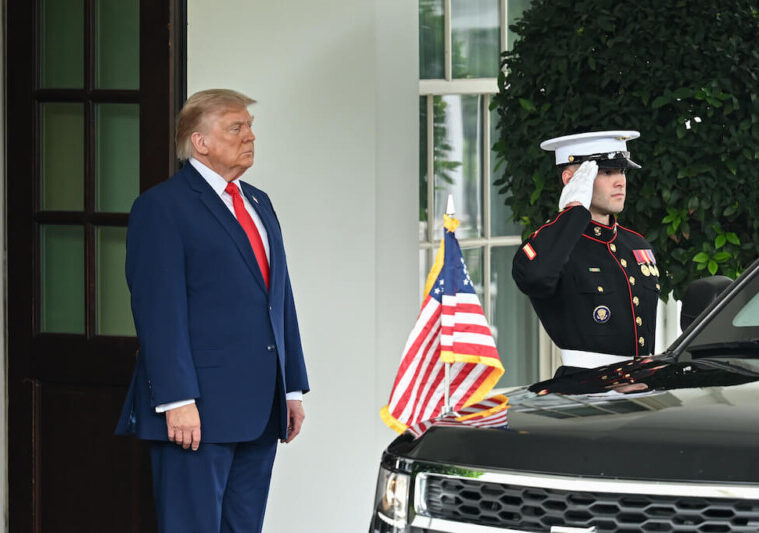
Despite the intensifying conflict, diplomatic efforts appear to be underway. U.S. President Donald Trump said Washington and Tehran have engaged in both direct and indirect talks, expressing cautious optimism about a possible agreement. Pakistan has positioned itself as a mediator and is preparing to host potential negotiations aimed at ending the month-long war.
However, Iranian officials remain defiant. Parliamentary Speaker Mohammad Baqer Qalibaf rejected any notion of surrender, accusing the United States of sending mixed signals by discussing negotiations while considering further military escalation.
Recommended
The conflict has spread across multiple fronts, with Israeli strikes reportedly hitting key Iranian facilities, including sites near Tehran and Tabriz. Meanwhile, Iran continues to exert pressure on global energy markets through disruptions in the Strait of Hormuz, a critical route for global oil shipments. Concerns are also mounting over the security of the Bab el-Mandeb Strait after Houthi involvement.
Oil prices have surged, global stock markets have declined, and airlines are adjusting operations due to rising fuel costs. The United States has deployed additional troops to the region, including special operations forces and Marines, amid discussions of potential further military action.
As Israeli Prime Minister Benjamin Netanyahu orders expanded operations in southern Lebanon against Hezbollah, fears are growing that the conflict could widen further, risking long-term instability across the region and beyond.
(Source: Reuters)

Politics Today is dedicated to publishing insightful analyses in order to understand the changing nature of contemporary politics. It aims to contribute to the sound and constructive discussion of international affairs.
You can see how this popup was set up in our step-by-step guide: https://wppopupmaker.com/guides/auto-opening-announcement-popups/

Stay informed by subscribing to
our weekly newsletter.
You can see how this popup was set up in our step-by-step guide: https://wppopupmaker.com/guides/auto-opening-announcement-popups/
You can see how this popup was set up in our step-by-step guide: https://wppopupmaker.com/guides/auto-opening-announcement-popups/
You can see how this popup was set up in our step-by-step guide: https://wppopupmaker.com/guides/auto-opening-announcement-popups/
You can see how this popup was set up in our step-by-step guide: https://wppopupmaker.com/guides/auto-opening-announcement-popups/