Iran Threatens “Painful” Retaliation as US Weighs Renewed Strikes
Mousavi said Iran had already demonstrated its ability to strike regional bases and warned that U.S. naval assets could face a similar fate if hostilities resume.
May 1, 2026
I
ran has warned it will launch “long and painful strikes” against U.S. military positions if Washington resumes attacks, as tensions deepen over control of the vital Strait of Hormuz and the United States considers fresh military options.
The threat, delivered by Iranian Aerospace Force Commander Majid Mousavi, marks one of Tehran’s strongest signals yet that it is prepared to escalate militarily following weeks of confrontation with U.S. forces. Mousavi said Iran had already demonstrated its ability to strike regional bases and warned that U.S. naval assets could face a similar fate if hostilities resume.
His remarks came after statements by U.S. Central Command (CENTCOM) asserting the effectiveness of a naval blockade targeting Iranian oil exports. The blockade, intended to cut off Tehran’s primary source of revenue, has further intensified the standoff between the two countries.
Iran’s Supreme Leader Mojtaba Khamenei reinforced the message, declaring that Tehran would maintain control over the Strait of Hormuz and prevent what he described as “foreign abuses” of the waterway. In a statement carried by state media, he warned that external powers had no legitimate presence in the region.
The escalating rhetoric comes two months into a U.S.-Israeli war with Iran that has disrupted global energy markets and heightened fears of a broader regional conflict. Although a ceasefire has technically been in place since April 8, it has done little to resolve the central dispute: Iran continues to block passage through the strait, while the United States maintains its maritime pressure campaign.
The Strait of Hormuz is one of the world’s most critical energy chokepoints, through which roughly one-fifth of global oil and gas supplies pass. Its closure has already sent shockwaves through international markets, with Brent crude prices briefly surging above $126 per barrel before easing to around $114.
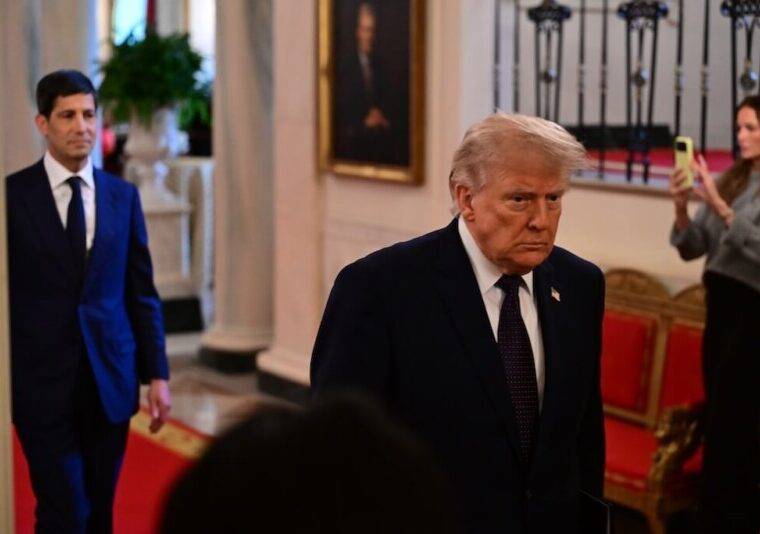
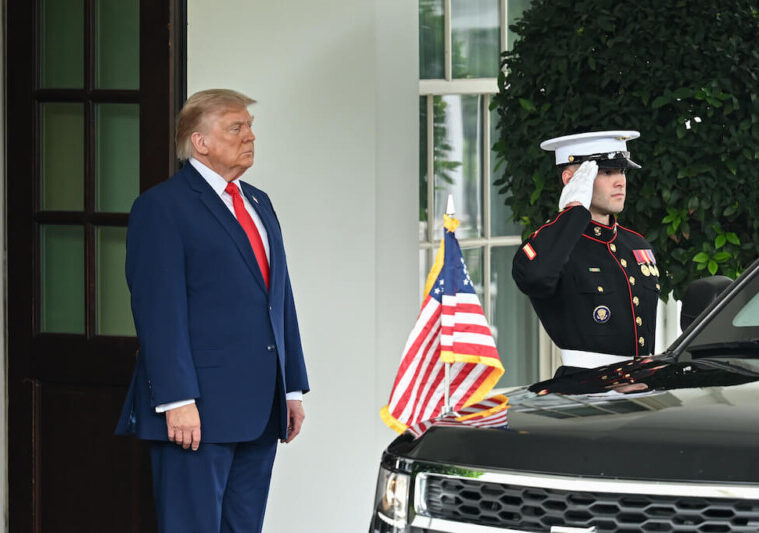
U.S. President Donald Trump is expected to receive a classified briefing on potential military strike options, according to a U.S. official. The plans reportedly aim to compel Iran to return to negotiations and reopen the waterway. While such options have long been under consideration, their renewed urgency reflects growing frustration in Washington over the impasse.
Trump has reiterated that Iran will not be allowed to develop nuclear weapons and expressed confidence that energy prices would fall sharply if the conflict ends. However, the prospect of further military action has raised concerns among analysts about the risk of rapid escalation.
Diplomatic efforts have so far failed to produce a breakthrough. Iranian Foreign Ministry spokesman Esmaeil Baghaei said expectations of a quick resolution were unrealistic, regardless of mediation efforts. His comments underscore the widening gap between the two sides as the conflict enters a more entrenched phase.
Recommended
Meanwhile, signs of continued military activity have emerged on the ground. Iranian media reported that air defense systems in Tehran engaged drones and other unmanned aerial vehicles late Thursday, highlighting the persistent volatility despite the ceasefire.
The broader regional impact is also becoming increasingly apparent. The United Arab Emirates has banned its citizens from traveling to Iran, Iraq and Lebanon, urging those already in those countries to return home immediately. The move reflects growing fears that the conflict could spill over beyond the Gulf.
Global economic concerns are mounting as the crisis drags on. Antonio Guterres warned that prolonged disruption in the Strait of Hormuz could have severe consequences, including slower global growth, rising inflation and increased poverty.
“The longer this vital artery is choked, the harder it will be to reverse the damage,” Guterres said, emphasizing the urgency of restoring stability to the waterway.
Despite mounting economic pressure, analysts say Iran appears capable of sustaining its position in the short term. While the U.S. blockade has sharply reduced Iranian oil exports, Tehran has shown resilience in past crises and may be prepared for a prolonged standoff.
For Trump, the coming days present a critical decision point. He faces a formal deadline to either end the conflict or seek congressional approval for a 30-day extension of military operations. Observers expect he may opt for the latter, or potentially bypass the deadline altogether.
As both sides dig in, the risk of miscalculation remains high. Any renewed military confrontation could not only destabilize the Gulf region but also trigger wider economic and geopolitical consequences.
For now, the standoff continues, with global markets, regional governments and international institutions watching closely for the next move.
(Source: Reuters)

Politics Today is dedicated to publishing insightful analyses in order to understand the changing nature of contemporary politics. It aims to contribute to the sound and constructive discussion of international affairs.
You can see how this popup was set up in our step-by-step guide: https://wppopupmaker.com/guides/auto-opening-announcement-popups/

Stay informed by subscribing to
our weekly newsletter.
You can see how this popup was set up in our step-by-step guide: https://wppopupmaker.com/guides/auto-opening-announcement-popups/
You can see how this popup was set up in our step-by-step guide: https://wppopupmaker.com/guides/auto-opening-announcement-popups/
You can see how this popup was set up in our step-by-step guide: https://wppopupmaker.com/guides/auto-opening-announcement-popups/
You can see how this popup was set up in our step-by-step guide: https://wppopupmaker.com/guides/auto-opening-announcement-popups/