Iran-US Economic War: Global Markets Brace for Prolonged Crisis
The crisis has centered on the Strait of Hormuz, one of the world’s most strategically important waterways through which a significant share of global oil exports passes daily.
May 7, 2026
A
s tensions between United States and Iran continue to escalate, analysts warn that the confrontation is increasingly becoming a battle of economic endurance rather than a conventional military contest, with global markets and oil supplies emerging as key pressure points.
The crisis has centered on the Strait of Hormuz, one of the world’s most strategically important waterways through which a significant share of global oil exports passes daily. Continued instability in the region has already triggered volatility in energy markets and renewed concerns over inflation and economic disruption worldwide.
Although the United States has intensified naval patrols and expanded operations targeting Iranian-linked shipping, Tehran appears focused on using asymmetric tactics to raise the cost of the conflict for Washington and its allies.
US officials say dozens of vessels associated with Iranian trade networks have been intercepted since the beginning of the maritime blockade. Yet despite heavy military pressure, Iranian forces continue to operate small fast-attack boats near the strait, targeting cargo vessels and commercial tankers in what analysts describe as a campaign designed to undermine confidence in regional shipping security.
Observers note that Iran’s strategy does not rely on achieving military superiority over the United States. Instead, Tehran appears determined to sustain enough disruption to global energy flows to increase international pressure for negotiations and concessions.
Oil prices remain highly sensitive to developments in the Gulf. Even limited attacks or threats against shipping routes and energy facilities can sharply increase transportation and insurance costs, affecting economies across Europe, Asia, and North America.
Iranian state-linked media outlets have also escalated rhetoric in recent days by discussing possible future targets across the Gulf region. The semi-official Tasnim news agency highlighted the vulnerability of undersea communication cables concentrated in narrow sections of the Gulf seabed, suggesting that Tehran could expand its tactics beyond direct attacks on ships.
Regional energy infrastructure has also been referenced in Iranian statements and commentary. Facilities such as the Ruwais Refinery in the United Arab Emirates and the Abqaiq Oil Processing Facility in Saudi Arabia have emerged as potential flashpoints.
Security analysts say such threats are intended not only to intimidate regional rivals but also to deepen uncertainty in international financial markets. Previous attacks on Gulf oil facilities caused temporary disruptions in production and triggered sharp reactions in global energy prices.
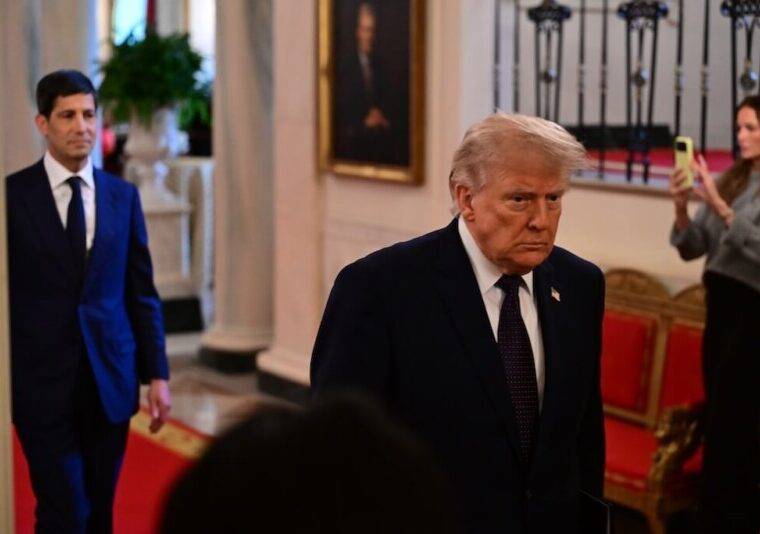
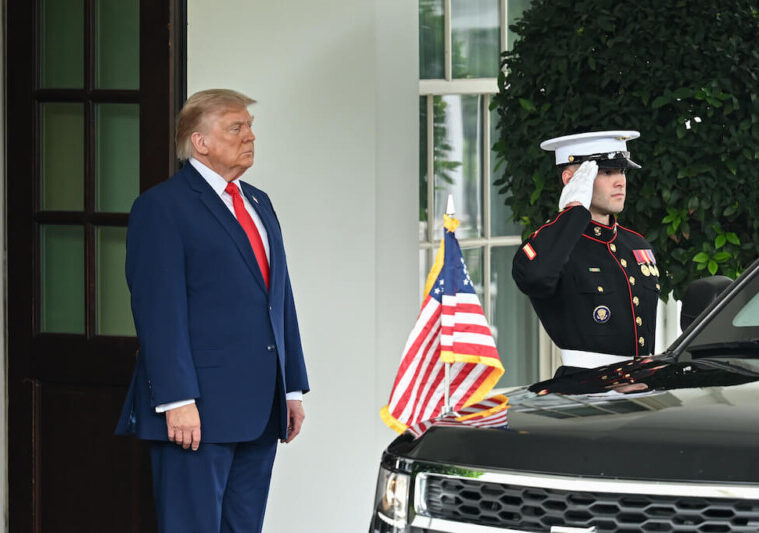
Meanwhile, US President Donald Trump has continued to publicly project confidence, insisting that Iran is under mounting pressure and that Washington can sustain the confrontation for as long as necessary.
However, economic concerns are beginning to weigh heavily on governments and investors. Rising fuel prices threaten to intensify inflationary pressures at a time when many economies are still struggling with slowing growth and supply chain challenges.
Recommended
Efforts to restart negotiations have so far failed to produce a breakthrough. Planned talks in Islamabad reportedly stalled after Iranian representatives failed to attend scheduled meetings, fueling concerns that both sides remain far apart on core demands.
Despite the diplomatic deadlock, analysts familiar with Iran’s negotiating history say Tehran has often relied on patience and gradual pressure during international disputes. Comparisons have been drawn to the lengthy negotiations that led to the Joint Comprehensive Plan of Action, when Iranian negotiators spent years maneuvering diplomatically while resisting Western pressure.
For now, neither Washington nor Tehran appears willing to publicly compromise. Behind the scenes, however, regional mediators are believed to be maintaining quiet contacts in an effort to prevent the crisis from escalating into a wider regional conflict.
As military tensions continue and markets remain volatile, analysts say the conflict is increasingly becoming a test of political stamina and economic resilience. The coming weeks may determine whether the United States can maintain pressure without suffering significant domestic political costs, or whether Iran can continue enduring economic hardship while sustaining disruption in one of the world’s most critical energy corridors.
(Source: CNN)

Politics Today is dedicated to publishing insightful analyses in order to understand the changing nature of contemporary politics. It aims to contribute to the sound and constructive discussion of international affairs.
You can see how this popup was set up in our step-by-step guide: https://wppopupmaker.com/guides/auto-opening-announcement-popups/

Stay informed by subscribing to
our weekly newsletter.
You can see how this popup was set up in our step-by-step guide: https://wppopupmaker.com/guides/auto-opening-announcement-popups/
You can see how this popup was set up in our step-by-step guide: https://wppopupmaker.com/guides/auto-opening-announcement-popups/
You can see how this popup was set up in our step-by-step guide: https://wppopupmaker.com/guides/auto-opening-announcement-popups/
You can see how this popup was set up in our step-by-step guide: https://wppopupmaker.com/guides/auto-opening-announcement-popups/