Israel and Lebanon Agree to Implement Ceasefire, Hopes Rise for Iran Deal
A previous ceasefire announced last month failed to halt fighting, with clashes continuing after Israel launched operations in Lebanon in March against Hezbollah.
June 4, 2026
I
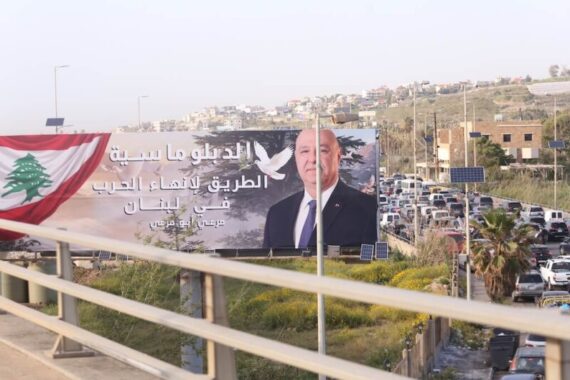
srael and Lebanon have agreed to implement a ceasefire aimed at ending months of hostilities, the Trump administration announced on Wednesday, raising hopes that a broader agreement to end the U.S.-Israeli conflict with Iran could be within reach.
The agreement, reached following negotiations in Washington, requires a complete cessation of hostilities by the Iran-backed Hezbollah and the withdrawal of its fighters from southern Lebanon’s Litani region, according to a joint statement issued by the United States Department of State.
The development comes despite continued violence across the region and mounting tensions involving Iran, Gulf states, and U.S. forces.
A previous ceasefire announced last month failed to halt fighting, with clashes continuing after Israel launched operations in Lebanon in March against Hezbollah, which had opened a front against Israel in support of Tehran.
The latest agreement is viewed as a key component of wider diplomatic efforts to end the regional conflict that erupted following U.S. and Israeli strikes on Iran earlier this year.
Even as diplomatic efforts advanced, regional tensions remained high.
Kuwaiti authorities said Iranian missile and drone attacks damaged facilities at Kuwait International Airport, killing one person and injuring more than 60 others. Airport operations were temporarily suspended before flights resumed later in the day following emergency safety measures.
Iran’s Islamic Revolutionary Guard Corps denied targeting the airport directly, claiming the damage was caused by failed U.S. interceptor missiles. The U.S. military rejected that account, saying Iranian drones deliberately targeted the airport.
At the same time, the United States Central Command reported carrying out defensive strikes against missile launch sites and naval assets in southern Iran. U.S. forces also struck targets on Qeshm Island near the strategically important Strait of Hormuz after what officials described as attempted Iranian attacks.
The Strait of Hormuz, a critical route for global oil and gas shipments, remains largely closed more than three months after the conflict began. Oil prices rose nearly 2% on concerns about continuing disruptions to energy supplies.
Recommended
The ceasefire announcement comes amid ongoing efforts to secure a broader agreement between Washington and Tehran.
Iran has linked progress in negotiations to an end to fighting in Lebanon and is seeking access to frozen oil revenues, sanctions relief, an end to restrictions on its ports, and guarantees regarding future access to the Strait of Hormuz.
Abbas Araqchi said negotiations with the United States had not been suspended but acknowledged that no significant progress had been made in recent days.
Meanwhile, President Donald Trump expressed optimism that developments could occur soon.
“If it happens, it could happen over the weekend,” Trump told reporters at the White House, without providing further details.
Trump also indicated that negotiators were attempting to separate discussions about reopening the Strait of Hormuz from the conflict in Lebanon.
Despite the ceasefire announcement, violence continued on Wednesday. Lebanese security sources reported Israeli drone strikes that killed at least six people in southern Lebanon and targeted areas near Beirut. Israel said it had intercepted a hostile aircraft believed to have been launched by Hezbollah.
Araqchi warned that Iran would respond decisively if Israel expanded military operations against Beirut.
The conflict has killed thousands of people, primarily in Iran and Lebanon, while disrupting global trade and energy markets. Although the Israel-Lebanon ceasefire has raised hopes for a wider diplomatic breakthrough, ongoing military incidents underscore the fragility of the situation and the challenges facing negotiators seeking a broader regional settlement.
(Source: Reuters)

Politics Today is dedicated to publishing insightful analyses in order to understand the changing nature of contemporary politics. It aims to contribute to the sound and constructive discussion of international affairs.
You can see how this popup was set up in our step-by-step guide: https://wppopupmaker.com/guides/auto-opening-announcement-popups/

Stay informed by subscribing to
our weekly newsletter.
You can see how this popup was set up in our step-by-step guide: https://wppopupmaker.com/guides/auto-opening-announcement-popups/
You can see how this popup was set up in our step-by-step guide: https://wppopupmaker.com/guides/auto-opening-announcement-popups/
You can see how this popup was set up in our step-by-step guide: https://wppopupmaker.com/guides/auto-opening-announcement-popups/
You can see how this popup was set up in our step-by-step guide: https://wppopupmaker.com/guides/auto-opening-announcement-popups/