Poll: Only One in Three Americans Support Iran War
Overall, 69% of respondents—including roughly 40% of Republicans—said Trump has not clearly explained why the United States is fighting in Iran.
July 28, 2026
O
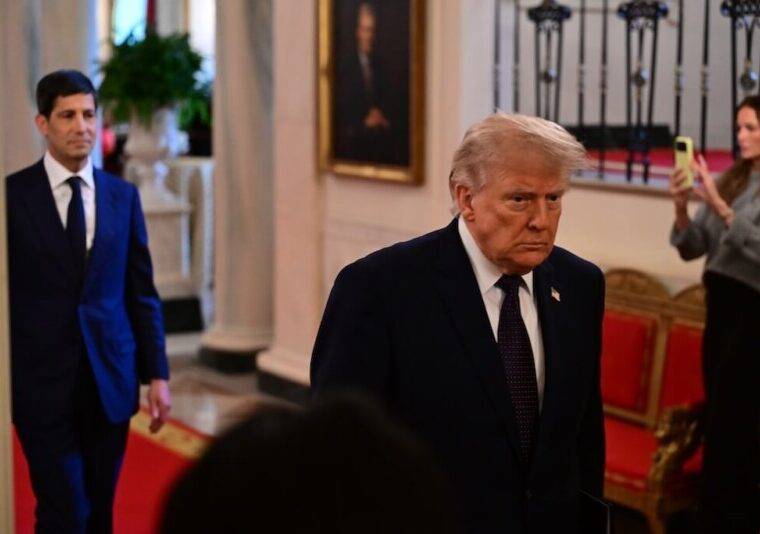
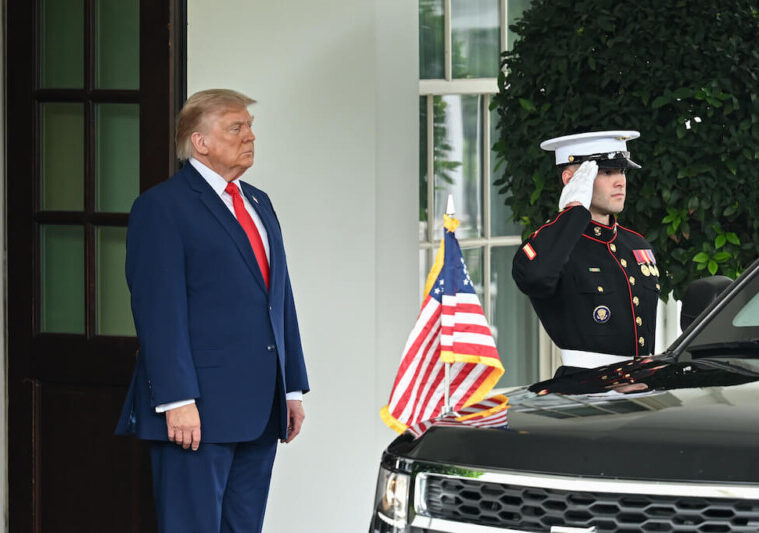
nly one in three Americans support the U.S. war with Iran, while a large majority believe President Donald Trump has failed to clearly explain the conflict’s objectives, according to a new Reuters/Ipsos poll.
The nationwide survey, conducted from July 24 to 26 among 1,246 U.S. adults, found that support for the war has fallen to its lowest level since the conflict began five months ago. Only about one-third of respondents said they back the military campaign, while support has remained below 40% for five consecutive months.
Despite declining support for the war, Trump’s overall job approval rating rose three percentage points from the previous month to 37%, although it remains historically low for his presidency.
The poll found widespread uncertainty about the administration’s objectives in Iran.
Overall, 69% of respondents—including roughly 40% of Republicans—said Trump has not clearly explained why the United States is fighting in Iran.
Since the conflict began, Trump has cited multiple goals, including:
The White House defended the administration’s approach. Spokesperson Olivia Wales said Trump would not base decisions on “fluid opinion polls” and reiterated that preventing Iran from obtaining a nuclear weapon remains the administration’s central objective.
Reuters noted that public backing for the Iran conflict is substantially lower than support recorded during the early stages of previous American military campaigns.
According to historical Gallup polling:
By contrast, Reuters/Ipsos polling has shown support for military action against Iran never rising above 40% since the conflict began on February 28.
The survey suggests the war may become a significant political challenge for Republicans before November’s congressional midterm elections.
Independent voters surveyed by Reuters/Ipsos favored Democratic congressional candidates over Republicans by 36% to 20%. Independents also gave Democrats higher marks on economic issues, reflecting concern over rising living costs linked to the conflict.
The war has contributed to higher energy prices, with average U.S. gasoline prices climbing above $4 per gallon compared with about $3 before hostilities began.
Republican strategist Alex Conant, who served in President George W. Bush’s administration, said the conflict is making it harder for Republicans to focus on economic issues that they had hoped would dominate the election campaign.
Recommended
Several voters interviewed by Reuters expressed uncertainty about the reasons for the war.
Alex Womack, a retired Marine from Georgia who previously supported Trump, said he no longer understood the purpose of the conflict.
“It’s not clear why we started a war with them. I have no idea,” Womack said.
Another Georgia voter, Rhyan Anderson, who voted for Trump in 2024 after supporting former President Joe Biden in 2020, argued that the administration should focus more on domestic priorities than overseas conflicts.
“My biggest thing is just focus on the people who are actually in the country,” Anderson told Reuters.
According to Reuters, 18 U.S. service members have been killed since the conflict began, while thousands of people have died in Iran and in Lebanon, where fighting between Israeli forces and the Iran-backed Hezbollah has continued.
The combination of rising fuel prices, uncertainty over the war’s objectives and persistent public skepticism presents a growing political challenge for Trump as his administration seeks to sustain support for a conflict that has now entered its sixth month.
(Source: Reuters)

Politics Today is dedicated to publishing insightful analyses in order to understand the changing nature of contemporary politics. It aims to contribute to the sound and constructive discussion of international affairs.
You can see how this popup was set up in our step-by-step guide: https://wppopupmaker.com/guides/auto-opening-announcement-popups/

Stay informed by subscribing to
our weekly newsletter.
You can see how this popup was set up in our step-by-step guide: https://wppopupmaker.com/guides/auto-opening-announcement-popups/
You can see how this popup was set up in our step-by-step guide: https://wppopupmaker.com/guides/auto-opening-announcement-popups/
You can see how this popup was set up in our step-by-step guide: https://wppopupmaker.com/guides/auto-opening-announcement-popups/
You can see how this popup was set up in our step-by-step guide: https://wppopupmaker.com/guides/auto-opening-announcement-popups/