A
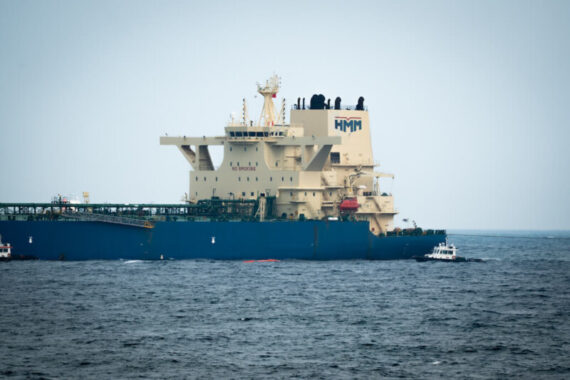
proposed agreement being discussed by Iran and Oman to help end five months of conflict between Iran and the United States would give Tehran authority over commercial vessels entering the Gulf through the Strait of Hormuz, according to Iranian and regional sources, potentially marking one of the most significant shifts in Gulf maritime security in decades.
The proposal, if finalized, would grant Iran oversight of inbound shipping through the strategic waterway, through which roughly one-fifth of the world’s oil trade passed before the conflict disrupted maritime traffic. Regional officials said negotiations remain ongoing, with key issues still unresolved, despite Iranian officials reporting substantial progress.
There was no immediate comment from Washington on the reported proposal. U.S. officials have consistently maintained that they would not accept Iranian control over navigation through the Strait of Hormuz, despite President Donald Trump’s recent assertions that an agreement to reopen the waterway could be close.
The talks are taking place amid broader diplomatic efforts to end the conflict that erupted in late February, when U.S. and Israeli military operations against Iran triggered months of fighting across the region.
According to a senior Iranian source and two regional officials familiar with the negotiations, the draft arrangement would require commercial vessels entering the Gulf to transit through Iranian-controlled waters, giving Tehran an unprecedented administrative role over maritime traffic.
Some form of control
One regional official described the proposal as representing “some form of control” already conceded in principle, though negotiators remain divided over how that authority would be implemented in practice.
“The concession has already been made regarding some form of control over Hormuz,” one regional source said, adding that details regarding inspections and oversight remain under discussion.
Another regional source said Gulf states are seeking a framework in which regional countries would supervise any inspections of commercial vessels and ensure that any payments required from shipping companies remain voluntary.
A senior Iranian official said Tehran is seeking to levy fees of between 5% and 7% of cargo values on ships using the strait, while Oman has proposed charges closer to 3%. The United States, however, continues to oppose any transit fees, insisting that Hormuz remain an international waterway with unrestricted access.
Iranian Deputy Foreign Minister Kazem Gharibabadi said negotiations with Oman had reached “fundamental understandings” and suggested an agreement was nearing completion.
Speaking to Iran’s official IRNA news agency, Gharibabadi said the proposed arrangement was designed so that commercial vessels would pass through Iranian territorial waters on both inbound and outbound voyages.
He added that discussions had reached “the verge of being finalized.”
However, regional officials cautioned that significant differences remain, particularly over whether Iran’s authority would extend equally to ships leaving the Gulf, as well as the legal basis for any administrative role Tehran would exercise.
Regional energy infrastructure
The negotiations come as Iran has simultaneously intensified its warnings to Gulf Arab states against supporting any renewed U.S. military action.
According to several regional sources, Tehran has privately warned neighboring Gulf countries that any future American attack on Iranian territory would trigger retaliation against critical regional energy infrastructure.
“The Iranian warning was unequivocal: if America targeted Iran’s infrastructure, they would retaliate by striking Gulf energy facilities and other regional targets,” one Gulf source said.
Since the conflict began, Iran has repeatedly targeted regional allies of the United States with missile and drone attacks while also disrupting commercial shipping through Hormuz.
Iran says more than 3,400 people have been killed since the war began, while the United States has reported the deaths of 18 military personnel.
President Trump has increasingly emphasized diplomacy after months of military operations failed to reopen the waterway fully or compel Tehran to accept Washington’s demands.
Addressing supporters in Las Vegas, Trump said he preferred a negotiated solution despite warning that military action remained an option.
“I’d rather make a deal because I don’t want to kill people,” Trump said. “I do not want to kill people, but at some point we’re gonna.”
The reported negotiations reflect a notable evolution in the conflict, which has increasingly centered on maritime access rather than direct military confrontation.
Iran has argued that previous flexibility in negotiations only encouraged greater pressure from Washington, leading its leadership to conclude that stronger leverage is necessary before meaningful talks can proceed.

Recommended
A major strategic shift from the pre-war status quo
The proposed arrangement would also represent a major strategic shift from the pre-war status quo, when commercial vessels transited the Strait of Hormuz without paying fees or seeking authorization from Iran.
The waterway remains one of the world’s most strategically important maritime corridors, serving as the primary export route for Gulf oil and liquefied natural gas.
Despite optimistic statements from Tehran and Washington about the prospects for diplomacy, officials involved in the talks stressed that no final agreement has been reached.
Political disagreements over shipping fees, inspection authority and the precise definition of Iranian control continue to complicate negotiations, while broader questions surrounding the future security architecture of the Gulf remain unresolved.
The talks also come as Trump faces growing domestic pressure to end a conflict that opinion polls suggest remains unpopular with American voters ahead of November’s congressional midterm elections.
Oil prices fell in recent days after Trump suspended plans for renewed military strikes, citing ongoing diplomatic efforts that he said could eventually lead to the reopening of the Strait of Hormuz.
(Source: Reuters)