Some US Senators Urge Caution as Iran Protests Intensify
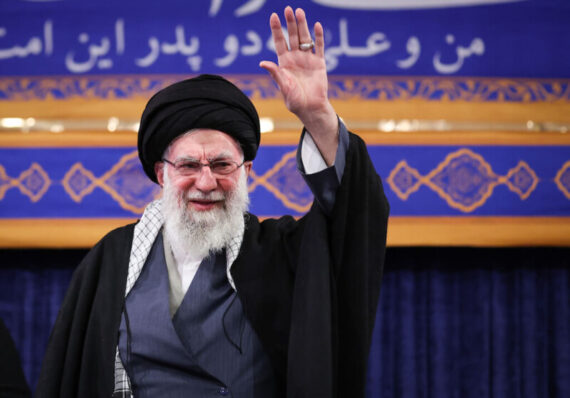
Iran’s Supreme Leader Ali Khamenei accused “foreigners” of exploiting the unrest, while officials have blamed the United States and Israel for backing violent protests.
January 12, 2026
S
ome U.S. senators from both major parties have expressed skepticism about potential military action against Iran, warning that such a move could backfire as nationwide anti-government protests enter their third week.
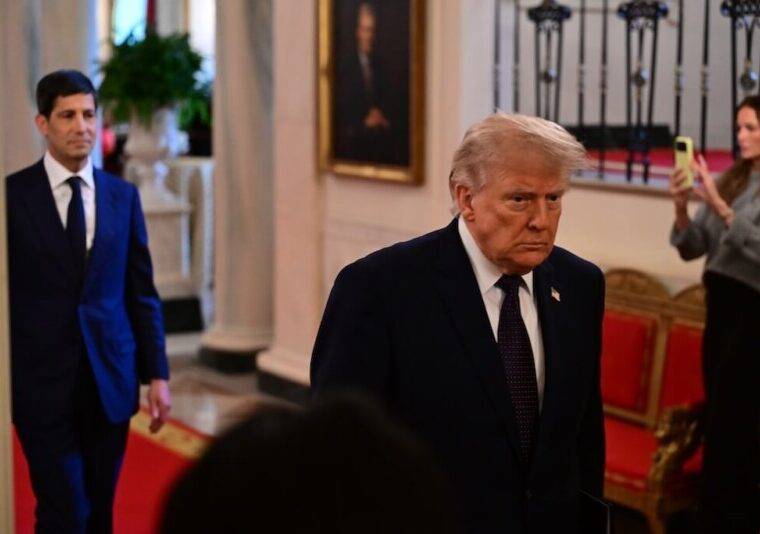
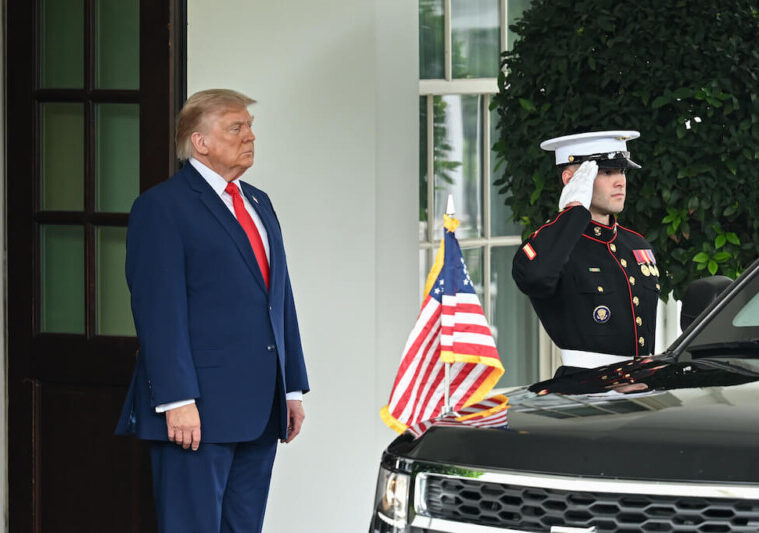
U.S. President Donald Trump has recently left open the possibility of American intervention in Iran, where the largest demonstrations in years have shaken the Islamic Republic amid economic collapse and growing public anger. Iranian authorities have blamed the unrest on terrorists and foreign interference, vowing to protect the ruling system.
At least two U.S. senators struck a cautious tone during television interviews on Sunday. Republican Senator Rand Paul said he doubted that military strikes would achieve Washington’s goals.
“I don’t know that bombing Iran will have the effect that is intended,” Paul said, warning that an attack could instead rally Iranians around their government.
Democratic Senator Mark Warner echoed the concern, arguing that military action could unify the Iranian population against the United States “in a way that the regime has not been able to.” Warner cited the 1953 U.S.-backed overthrow of Iran’s government as an example of how foreign intervention can have long-term destabilizing consequences.
Warner suggested sustained diplomatic pressure, backed by international partners, as a more effective approach.
Other lawmakers have taken a more aggressive position. Republican Senator Lindsey Graham said Trump should “embolden the protesters and scare the hell out of the regime,” openly calling for the removal of Iran’s leadership.
The Wall Street Journal reported that U.S. military and diplomatic officials are expected to brief Trump this week on a range of options, including cyber operations and possible military action. Iran has warned it would target U.S. military bases if attacked.
Meanwhile, Reza Pahlavi, the U.S.-based son of Iran’s last shah, said he was prepared to return to Iran to help lead a transition to a democratic system if the opportunity arose.
Inside Iran, demonstrations have continued into a third week, fueled by economic hardship, soaring inflation and the sharp depreciation of the rial. Shopkeepers across the country joined a nationwide strike, closing businesses in protest.
Authorities have imposed nationwide internet and phone blackouts for more than 72 hours, according to monitoring group NetBlocks, isolating much of the population. Clashes near Tehran reportedly left at least one police officer dead.
Human rights group HRANA estimates at least 544 people have been killed since the unrest began, with more than 1,000 injured and over 10,600 detained across 585 locations nationwide.
Recommended
Iran’s Supreme Leader Ali Khamenei accused “foreigners” of exploiting the unrest, while officials have blamed the United States and Israel for backing violent protests. President Trump has warned Tehran that Washington is “watching very carefully” and threatened severe consequences if protesters are killed.
Australia has urged its citizens to leave Iran as soon as possible, citing the risk of further escalation.
As protests continue and debate deepens in Washington, U.S. lawmakers remain divided over whether military pressure would weaken Iran’s leadership—or strengthen it at a critical moment.
(Source: Reuters and Anadolu)

Politics Today is dedicated to publishing insightful analyses in order to understand the changing nature of contemporary politics. It aims to contribute to the sound and constructive discussion of international affairs.
You can see how this popup was set up in our step-by-step guide: https://wppopupmaker.com/guides/auto-opening-announcement-popups/

Stay informed by subscribing to
our weekly newsletter.
You can see how this popup was set up in our step-by-step guide: https://wppopupmaker.com/guides/auto-opening-announcement-popups/
You can see how this popup was set up in our step-by-step guide: https://wppopupmaker.com/guides/auto-opening-announcement-popups/
You can see how this popup was set up in our step-by-step guide: https://wppopupmaker.com/guides/auto-opening-announcement-popups/
You can see how this popup was set up in our step-by-step guide: https://wppopupmaker.com/guides/auto-opening-announcement-popups/