Strikes on Iran Spark Regional Escalation, Spread to Lebanon
Israel launched air strikes on Beirut and towns in southern Lebanon after Hezbollah claimed responsibility for firing rockets into northern Israel.
March 2, 2026
T
ensions across the Middle East intensified overnight as Iran continued retaliatory strikes against U.S. assets and regional allies following joint U.S.–Israeli attacks that killed Supreme Leader Ayatollah Ali Khamenei and dozens of senior Iranian officials. Tehran has categorically rejected any prospect of negotiations with Washington, while Israel expanded its military campaign into Lebanon after rocket fire from Hezbollah.
Iranian missiles and drones targeted multiple locations across the Gulf, with at least one fatality reported in Bahrain. Explosions were also reported near a U.S. base outside Baghdad, and air raid sirens sounded repeatedly in Kuwait and Qatar.
Kuwaiti authorities said their air defense systems intercepted a “majority” of drones approaching the capital, adding that no casualties were reported. In Doha, loud blasts were heard as Qatari forces reportedly shifted to intercepting incoming projectiles over Gulf waters to minimize debris risks over populated areas.
The escalation follows the killing of Ayatollah Ali Khamenei in coordinated U.S.–Israeli strikes that also reportedly eliminated up to 40 senior Iranian officials, marking one of the most consequential blows to Iran’s leadership since the 1979 revolution.
Ali Larijani, secretary of Iran’s National Security Council, dismissed U.S. media reports suggesting Tehran was seeking renewed nuclear negotiations through Omani mediators.
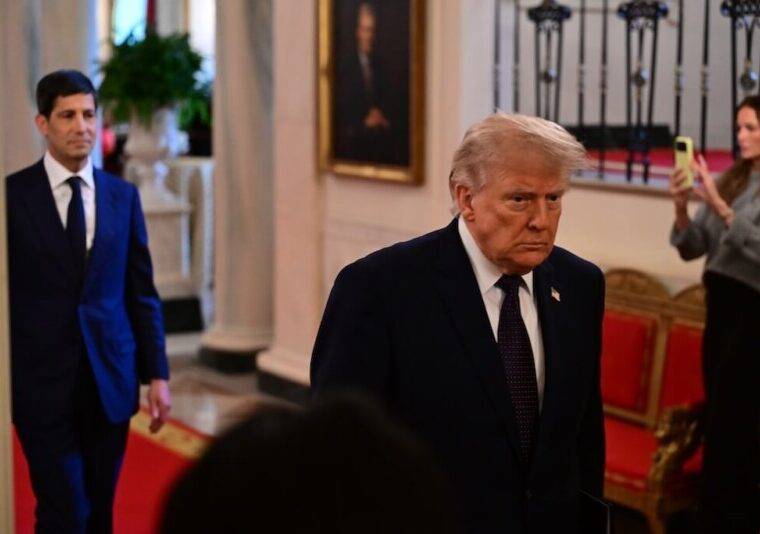
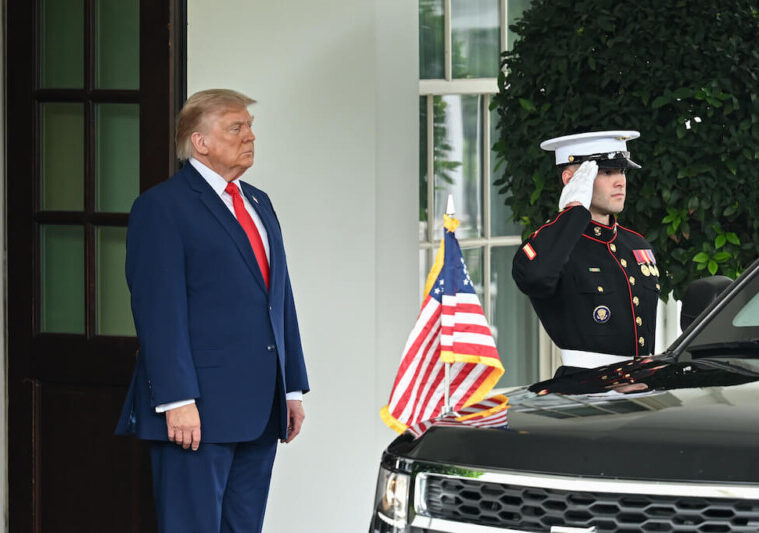
“We will not negotiate with the United States,” Larijani wrote on social media, accusing U.S. President Donald Trump of turning his “America First” policy into “Israel First” and sacrificing American lives for Israeli ambitions.
The rejection comes amid reports that U.S. officials briefed Congress in closed-door sessions that there was no intelligence indicating Iran was preparing to attack U.S. forces before the initial strikes. According to Reuters, Pentagon officials acknowledged that while Iran posed an imminent threat to U.S. interests, there was no evidence of a planned preemptive assault.
Meanwhile, Israel launched air strikes on Beirut and towns in southern Lebanon after Hezbollah claimed responsibility for firing rockets into northern Israel. The Israeli military issued displacement orders for residents of at least 53 Lebanese towns and villages, prompting what local media described as a “massive exodus.”
In Beirut’s southern suburbs, a Hezbollah stronghold known as Dahiyeh, hundreds of thousands of residents fled overnight. The escalation comes during Ramadan, compounding hardship for civilians scrambling for shelter before the day’s fast.
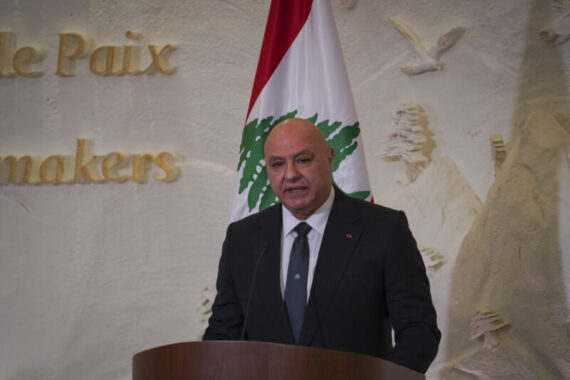
Lebanese President Joseph Aoun condemned both Hezbollah’s rocket fire and Israeli air strikes, warning that Lebanon must not be used as a platform for regional wars and cautioning that renewed conflict could drag the country into deeper instability.
The conflict is reverberating beyond the immediate combat zones. Cyprus confirmed that a drone strike caused limited damage to the UK’s Akrotiri military base, though no casualties were reported. Britain had recently agreed to allow the U.S. to use its bases for operations targeting Iran.
Oil markets reacted sharply, with Brent crude surging as much as 13 percent in early Asian trading before settling about 5 percent higher at around $76 per barrel. Major Asian stock indices fell, and U.S. futures pointed to potential volatility on Wall Street.
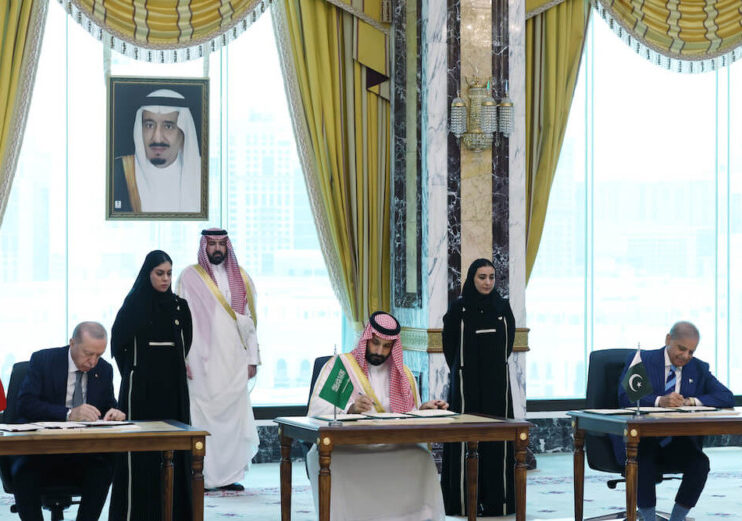
A joint statement issued by the U.S., Bahrain, Jordan, Kuwait, Qatar, Saudi Arabia and the United Arab Emirates condemned Iran’s attacks and affirmed their right to self-defense.
Recommended
The military escalation has exposed divisions in the United States. A Reuters/Ipsos poll found only one in four Americans support the strikes on Iran, with 43 percent opposed and the remainder undecided. Support among Republicans was stronger but still divided, particularly if U.S. troop casualties mount.
Several U.S. lawmakers, including Senator Adam Schiff, announced plans to push for a war powers resolution requiring congressional authorization for further military action. Under the U.S. Constitution, only Congress has the authority to declare war, though any such resolution could face a presidential veto.
Analysts warn the conflict could widen further. Trita Parsi of the Quincy Institute suggested the U.S.–Israeli strategy aimed to decapitate Iran’s leadership in hopes of forcing capitulation, but cautioned that Iran’s ruling establishment may fear surrender more than war.
With missiles flying across multiple borders, oil markets jittery, and civilians fleeing homes in Lebanon and beyond, the region faces one of its most volatile moments in decades. Whether diplomatic channels can reopen—or whether the conflict spirals into a broader regional war—remains uncertain.
(Source: Aljazeera)

Politics Today is dedicated to publishing insightful analyses in order to understand the changing nature of contemporary politics. It aims to contribute to the sound and constructive discussion of international affairs.
You can see how this popup was set up in our step-by-step guide: https://wppopupmaker.com/guides/auto-opening-announcement-popups/

Stay informed by subscribing to
our weekly newsletter.
You can see how this popup was set up in our step-by-step guide: https://wppopupmaker.com/guides/auto-opening-announcement-popups/
You can see how this popup was set up in our step-by-step guide: https://wppopupmaker.com/guides/auto-opening-announcement-popups/
You can see how this popup was set up in our step-by-step guide: https://wppopupmaker.com/guides/auto-opening-announcement-popups/
You can see how this popup was set up in our step-by-step guide: https://wppopupmaker.com/guides/auto-opening-announcement-popups/