Trump-Backed Asfura Declared Winner of Honduras Election
Asfura secured 40.3% of the vote, narrowly defeating center-right Liberal Party candidate Salvador Nasralla, who received 39.5%.
December 26, 2025
N
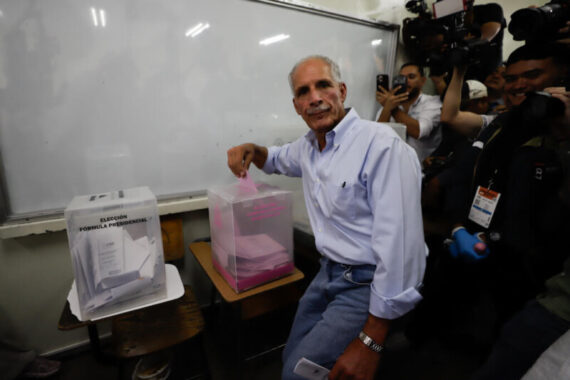
asry Asfura, the conservative candidate backed by U.S. President Donald Trump, has been declared the winner of Honduras’ presidential election, following weeks of delays, technical failures and allegations of fraud surrounding the November 30 vote.
The National Electoral Council (CNE) announced Wednesday that Asfura secured 40.3% of the vote, narrowly defeating center-right Liberal Party candidate Salvador Nasralla, who received 39.5%. The ruling LIBRE party’s candidate, Rixi Moncada, finished a distant third.
Asfura is set to assume office on January 27, serving a 2026–2030 term.
The vote count was marred by widespread technical problems that forced authorities to manually count around 15% of tally sheets, representing hundreds of thousands of ballots. The prolonged process sparked political unrest, with the ruling LIBRE party calling for protests it described as opposition to an “electoral coup.”
Demonstrations at times blocked election officials from accessing vote storage facilities, further delaying the count. The final results were approved by two electoral council members and one deputy, while a third council member, Marlon Ochoa, was absent during the announcement.
Nasralla rejected the declaration of results, claiming valid ballots were excluded from the final tally. While urging supporters to remain peaceful, he described the outcome as illegitimate.
“I will not accept a result based on omissions,” Nasralla said, calling the outcome “the saddest Christmas for the Honduran people.” This marks his third unsuccessful bid for the presidency.
Congress President Luis Redondo, a member of the ruling LIBRE party, also rejected the results, calling them “outside the law” and “without value.”
Recommended
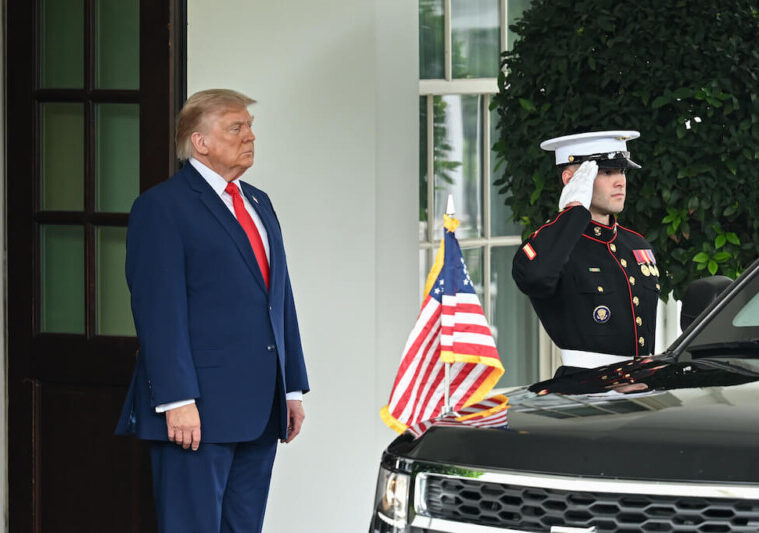
Trump openly endorsed Asfura before the election, calling him the “only real friend of freedom in Honduras” and warning of consequences if preliminary results were altered. He also threatened to cut U.S. financial support to Honduras if Asfura lost and pardoned former Honduran President Juan Orlando Hernández, a member of Asfura’s party who had been imprisoned in the U.S. on drug trafficking charges.
Opposition figures accused Trump of election interference, arguing his last-minute involvement influenced the outcome.
Following the announcement, U.S. Secretary of State Marco Rubio congratulated Asfura and urged all parties to accept the results to ensure a peaceful transition. The Organization of American States (OAS) said it would issue a report on the election, noting unresolved issues in the vote count.
Asfura, 67, is a former mayor of Tegucigalpa and a businessman of Palestinian descent. Known by the nickname “Papi, at your service,” he built his reputation on infrastructure projects and a low-profile governing style.
He campaigned on a pro-business platform, emphasizing job creation, education and security, and has signaled he may reconsider Honduras’ diplomatic recognition of Taiwan.
Asfura is currently under investigation for alleged corruption linked to his tenure as mayor, charges he denies, calling them politically motivated.
“People don’t care about ideology,” Asfura said during the campaign. “They want solutions.”
(Source: Reuters)

Politics Today is dedicated to publishing insightful analyses in order to understand the changing nature of contemporary politics. It aims to contribute to the sound and constructive discussion of international affairs.
You can see how this popup was set up in our step-by-step guide: https://wppopupmaker.com/guides/auto-opening-announcement-popups/

Stay informed by subscribing to
our weekly newsletter.
You can see how this popup was set up in our step-by-step guide: https://wppopupmaker.com/guides/auto-opening-announcement-popups/
You can see how this popup was set up in our step-by-step guide: https://wppopupmaker.com/guides/auto-opening-announcement-popups/
You can see how this popup was set up in our step-by-step guide: https://wppopupmaker.com/guides/auto-opening-announcement-popups/
You can see how this popup was set up in our step-by-step guide: https://wppopupmaker.com/guides/auto-opening-announcement-popups/