A
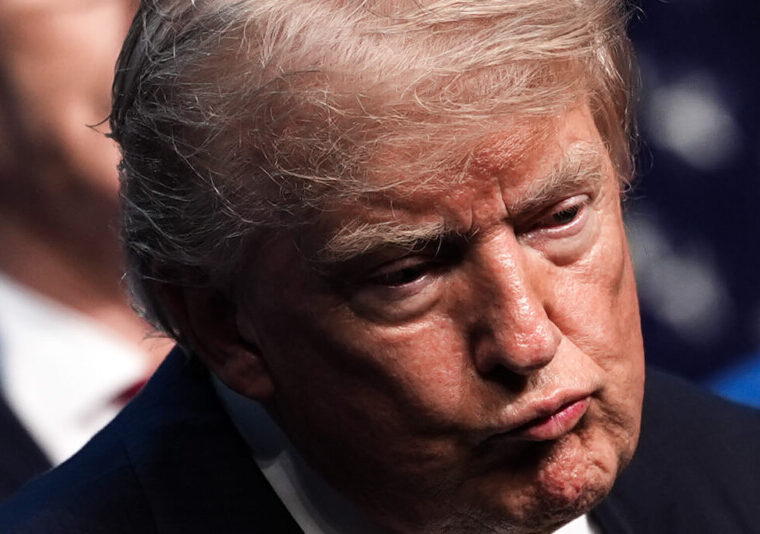
merican President Donald Trump’s decision to launch a war against Iran, his handling of rising living costs and a series of campaign missteps contributed to a sweeping Republican defeat in the midterm elections, leaving the party facing an uncertain future and the president politically weakened, according to a report by CNN.
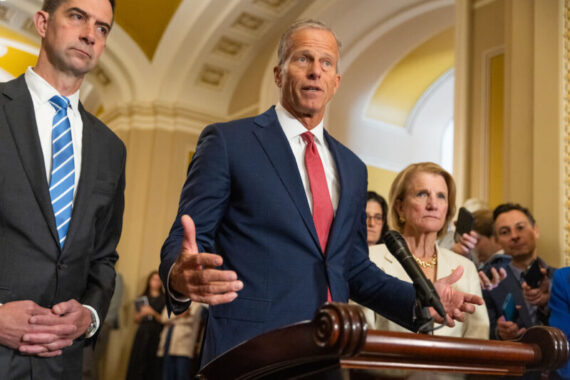
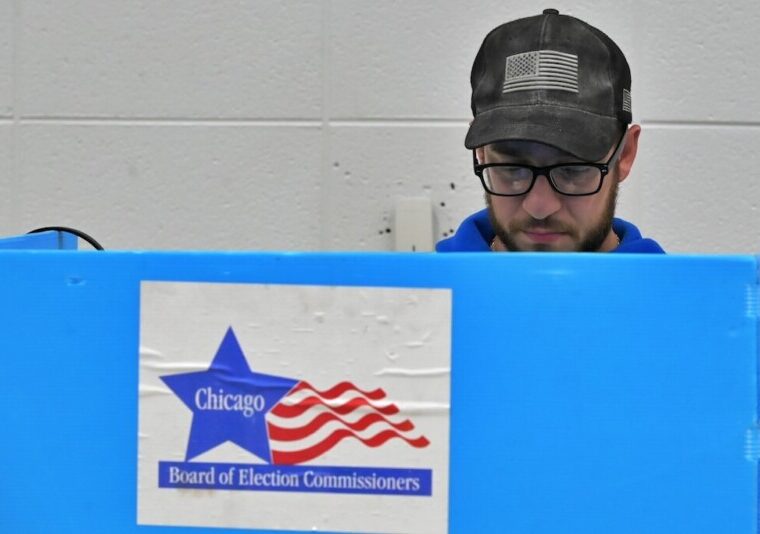
Republicans lost control of both the House of Representatives and the Senate after Democrats made significant gains, including in states and congressional districts that had long been considered conservative strongholds.
The scale of the defeat stunned Republican officials, many of whom had spent months attempting to limit the damage from Trump’s declining approval ratings and growing voter frustration.
In the weeks before the election, Trump repeatedly asked associates how the Republican Party had reached such a difficult position, according to people familiar with private conversations cited by CNN.
The president had embarked on an intensive campaign tour, visiting multiple states in an effort to mobilize Republican voters and rescue vulnerable candidates. But his appearances failed to reverse the political momentum, as economic concerns and opposition to the Iran war dominated the campaign.
Republican strategists interviewed by CNN described a series of strategic mistakes, including overly optimistic electoral calculations, inconsistent messaging and the selection of candidates who struggled to appeal beyond Trump’s political base.
But many ultimately pointed to the president himself as the central reason for the party’s collapse.
“Honestly, there’s just one person to blame,” Arizona Republican strategist Barrett Marson told CNN, arguing that the election would have looked very different had the war not taken place.
A White House official rejected the suggestion that Trump was responsible, arguing that individual candidates had failed to promote themselves effectively.
Iran war and rising prices undermine Republican campaign
The Republican strategy initially rested on the expectation that Trump’s popularity among his supporters, a major tax and spending package and improving economic conditions would help the party retain its narrow congressional majorities.
Senior Trump aides, including political adviser James Blair and White House chief of staff Susie Wiles, had urged Republican lawmakers to maintain a disciplined economic message focused on the administration’s achievements.
The strategy also relied on an extensive redistricting effort intended to make more than a dozen congressional districts safer for Republicans and reduce the number of competitive races.
However, the political calculations changed dramatically after Trump ordered a surprise attack on Iran less than two weeks after the party’s campaign strategy began taking shape.
The military operation, intended to weaken Iran’s leadership and bring about a rapid political victory, instead escalated into a prolonged conflict. Iranian resistance, the deaths of American service members and the disruption of oil shipments through the Strait of Hormuz contributed to a global energy crisis.
Oil prices surged, gasoline became more expensive and inflationary pressures intensified, undermining the administration’s promises to reduce household costs.
Trump and senior officials initially played down the economic consequences, describing the conflict as nearly won and suggesting it would last only four to six weeks. But privately, some advisers feared the war could destroy months of electoral preparation.
By the summer, the conflict had become a defining issue of the midterm campaign. A ceasefire that collapsed in June further complicated the Republican message, while gasoline prices climbed above $4 per gallon and grocery costs continued to rise.
The administration attempted to ease the pressure through measures including support for cheaper gasoline, tax-free diesel access for truckers and financial assistance for farmers. Trump also approved roughly $15 billion in payments to agricultural producers.
Those efforts failed to offset public dissatisfaction. A decision to temporarily increase beef imports, intended to reduce grocery prices, also angered Republican constituencies in the Midwest.
Republican lawmakers were reluctant to distance themselves from Trump, despite growing concerns about the war and his economic policies. Some feared that criticizing the president would alienate his loyal MAGA supporters, while others believed that abandoning him late in the campaign would undermine their credibility with independent voters.
Recommended
Weak candidates and campaign missteps deepen Republican losses
The Iran war was not the only factor behind the Republican defeat. Trump’s involvement in candidate selection and the party’s campaign strategy also contributed to the widening electoral map.
In Texas, Trump backed Ken Paxton for the Senate nomination despite objections from senior Republican lawmakers. Paxton’s performance raised concerns among party operatives, who questioned whether he could win the race.
In North Carolina, Michael Whatley, a close Trump ally, struggled to build momentum despite support from the president’s advisers. In South Carolina, Darline Graham, whom Trump endorsed to replace her late brother, Senator Lindsey Graham, was criticized by some Republicans as politically inexperienced.
Several Republican lawmakers in traditionally safe districts also underestimated the strength of their Democratic challengers.
The party’s campaign resources were another source of internal frustration. Trump had accumulated approximately $400 million in his MAGA Inc. political action committee, much of it from wealthy donors and corporations. But the money was held back for months as officials debated where it should be spent.
Trump eventually approved a major spending push during the final two months of the campaign, allowing Republican political groups to direct hundreds of millions of dollars toward vulnerable races.
By then, however, the party was struggling to find an effective message.
Trump’s aides had initially planned a broad campaign highlighting tax cuts, economic achievements and lower drug prices. The strategy eventually narrowed into an effort to mobilize his most loyal supporters.
The president’s own campaign appearances often reinforced the difficulties. He urged voters to imagine that he was personally on the ballot, but continued to dismiss affordability concerns and defend policies that had become unpopular.
At one point, he described the focus on living costs as a political “hoax,” remarks that forced aides to try to repair the damage. He also devoted considerable attention to construction projects in Washington, which critics viewed as disconnected from voters’ immediate concerns.
His final campaign appearances did little to change the trajectory. On the eve of the election, Trump devoted much of a speech near the Lincoln Memorial Reflecting Pool to discussing its maintenance and renovation.
The Democratic victories now leave Trump facing a Congress controlled by his political opponents, with the prospect of investigations and legislative resistance threatening to stall his agenda.
For Republicans, the defeat has triggered a period of uncertainty and internal recriminations. Party officials must now determine whether the losses reflected temporary dissatisfaction with the president’s policies or a deeper erosion of the coalition that brought Trump back to the White House.
The election has also exposed the limits of Trump’s influence over Republican candidates. Despite his intensive campaign tour and financial resources, his endorsement and rallies were not enough to overcome voter anger over the war and the economy.
With two years remaining in his presidency, Trump faces a weakened political position, while Republicans confront difficult questions about their leadership, strategy and identity ahead of the next national election.
(Source: CNN)