UAE to Exit OPEC, Shaking Global Oil Market Amid Iran War
The UAE, one of OPEC’s largest producers and among the few with significant spare capacity, has long been bound by the group’s production quotas designed to manage oil prices.
April 29, 2026
T
he United Arab Emirates has announced it will leave OPEC effective May 1, in a move that could reshape global energy dynamics and weaken the oil producers’ group at a time of mounting geopolitical tensions in the Gulf.
The decision comes as an escalating conflict involving Iran disrupts energy flows through the strategically vital Strait of Hormuz, a chokepoint that typically handles about a fifth of the world’s crude oil and liquefied natural gas shipments. Ongoing threats and attacks on vessels have significantly constrained exports, adding strain to global energy markets already facing volatility.
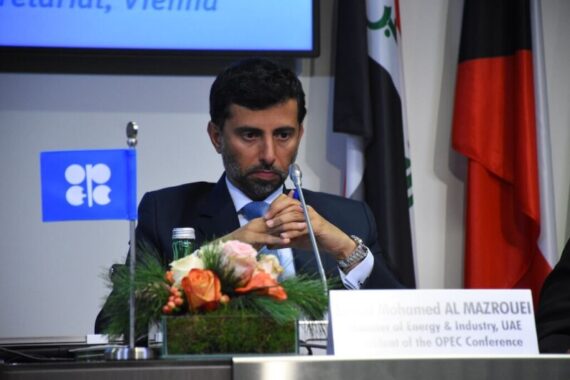
UAE Energy Minister Suhail Mohamed al-Mazrouei said the decision to exit the group followed a comprehensive review of the country’s long-term energy strategy. In remarks to Reuters, he described the move as a “policy decision” based on current and future production considerations, emphasizing that it was made independently and without consultation with other member states.
“This is a policy decision, taken after a careful look at current and future production policies,” Mazrouei said, adding that global energy demand is expected to rise, positioning the UAE to play a larger role in meeting supply needs.
The UAE, one of OPEC’s largest producers and among the few with significant spare capacity, has long been bound by the group’s production quotas designed to manage oil prices. Its departure will free Abu Dhabi to increase output once logistical constraints ease, potentially boosting its share of global markets.
Analysts say the move could undermine OPEC’s ability to regulate supply and stabilize prices. According to data from the International Energy Agency, the broader OPEC+ alliance — which includes non-OPEC producers — saw its share of global oil output fall to 44% in March from about 48% in February. That figure is expected to decline further in the coming months as disruptions intensify and the UAE formally exits the group.
“This opens the door for the UAE to expand its production and capture greater market share,” said Monica Malik, chief economist at Abu Dhabi Commercial Bank. “It also raises questions about the future cohesion and influence of OPEC.”
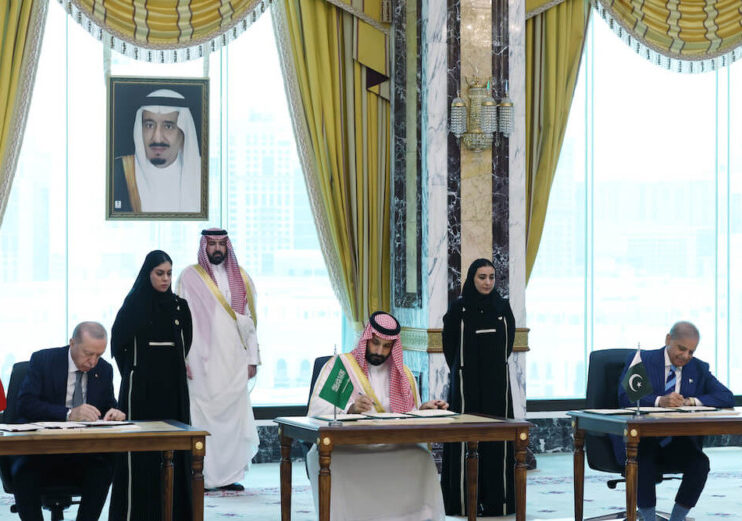
The exit highlights a growing rift between the UAE and Saudi Arabia, OPEC’s de facto leader and the world’s largest oil exporter. Once close allies, the two Gulf powers have increasingly diverged on energy policy, regional strategy, and economic priorities.
Tensions have been fueled by competition over foreign investment, regional influence, and differing approaches to managing oil output. While Riyadh has often favored tighter supply controls to support prices, Abu Dhabi has signaled a willingness to expand production capacity and pursue a more flexible strategy.
The geopolitical backdrop has further complicated the situation. Gulf nations have faced a wave of missile and drone attacks since the United States and Israel launched military operations against Iran earlier this year. In response, regional leaders have held emergency consultations to coordinate security and economic responses.
Recommended
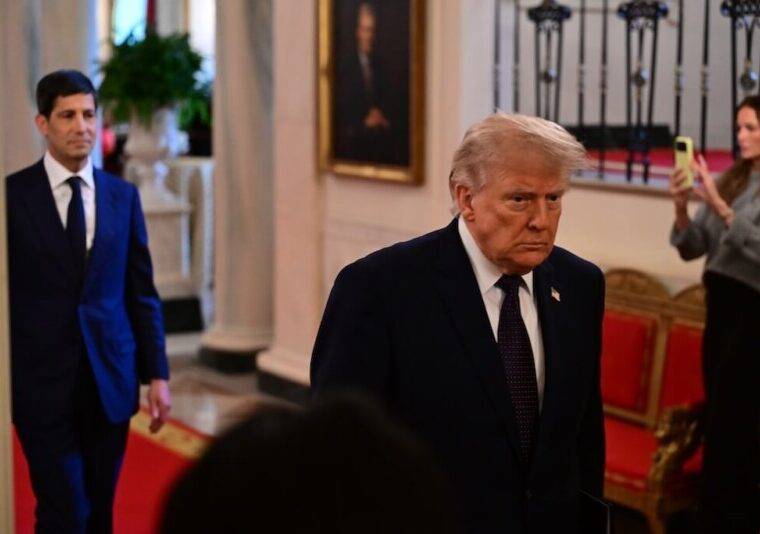
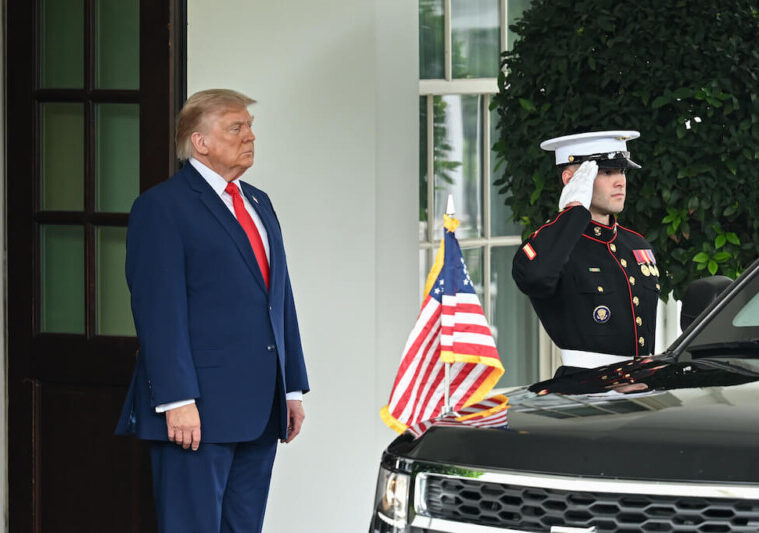
The UAE, which normalized relations with Israel under the Abraham Accords, has also strengthened ties with Washington, positioning itself as a key regional partner. Its exit from OPEC may align with long-standing U.S. criticism of the group, particularly from President Donald Trump, who has accused the organization of artificially inflating oil prices.
Trump has repeatedly linked U.S. security commitments in the Gulf to oil pricing policies, arguing that producers benefit from American military protection while maintaining high prices. Analysts suggest the UAE’s move could be seen as a partial response to such pressure, while also advancing its own strategic interests.
Despite the announcement, immediate market reactions have been muted. Oil prices trimmed earlier gains following the news, with traders focusing more on supply disruptions in the Gulf than on structural shifts within OPEC. Mazrouei said he did not expect significant short-term impacts, citing ongoing export constraints through the Strait of Hormuz.
Still, longer-term implications could be substantial. With greater autonomy over production, the UAE may increase output rapidly once regional tensions ease, adding supply to global markets and potentially putting downward pressure on prices.
For OPEC, the departure represents a significant challenge to its cohesion and influence. As one of the group’s most capable producers steps away, questions are mounting about the sustainability of the alliance’s strategy — and about Saudi Arabia’s role as the central stabilizing force in global oil markets.
As the energy crisis deepens and geopolitical risks persist, the UAE’s decision marks a pivotal moment for the global oil industry, signaling a shift toward a more fragmented and competitive landscape.
(Source: Reuters)

Politics Today is dedicated to publishing insightful analyses in order to understand the changing nature of contemporary politics. It aims to contribute to the sound and constructive discussion of international affairs.
You can see how this popup was set up in our step-by-step guide: https://wppopupmaker.com/guides/auto-opening-announcement-popups/

Stay informed by subscribing to
our weekly newsletter.
You can see how this popup was set up in our step-by-step guide: https://wppopupmaker.com/guides/auto-opening-announcement-popups/
You can see how this popup was set up in our step-by-step guide: https://wppopupmaker.com/guides/auto-opening-announcement-popups/
You can see how this popup was set up in our step-by-step guide: https://wppopupmaker.com/guides/auto-opening-announcement-popups/
You can see how this popup was set up in our step-by-step guide: https://wppopupmaker.com/guides/auto-opening-announcement-popups/