Undeterred by Midterms Defeat, Trump Unveils New Tariffs
The new tariff push comes despite Republican losses in the midterm elections, which some analysts had expected to temper Trump's trade agenda.
November 27, 2026
A
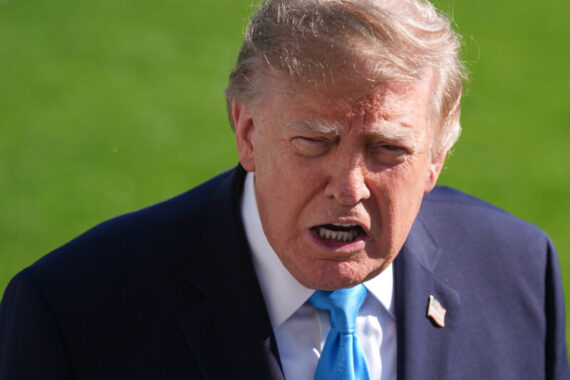
merican President Donald Trump fired a new tariff salvo on Wednesday targeting 14 major trading partners including China, Japan and the European Union, undeterred in his protectionist push by the losses his Republican Party suffered in US midterm elections.
The administration proposed new maximum potential rates on imports from the 14 partners, arguing that excess industrial capacity abroad is distorting global markets and undercutting American manufacturers. The move marks a fresh escalation of Trump’s tariff-driven trade policy despite the political headwinds from this month’s midterm results, which saw Republicans lose ground in Congress.
The proposed duties would not exceed ceilings established under existing trade agreements, US Trade Representative Jamieson Greer said, seeking to reassure markets and trading partners that the new measures would remain within previously negotiated bounds. Greer said the administration was acting within the framework of existing deals while pressing partners to address what Washington characterizes as structural overcapacity in sectors such as steel, aluminum, electric vehicles and legacy semiconductors.
“Our partners have had years to address these distortions,” Greer told reporters at the US Trade Representative’s office. “The president is determined to use every tool available to ensure American workers and producers are not disadvantaged by state-driven overcapacity.”
The announcement names China, Japan and the European Union among the 14 partners subject to the proposed maximum rates, though officials did not immediately publish a full list or detail the product categories covered. The proposed rates would be subject to a comment period and could be adjusted before taking effect, officials said, a process that in past rounds has taken several months.
China swiftly rejected the overcapacity justification, calling the claims a “false issue” and signaling that it would respond if the measures proceed. A spokesperson for China’s commerce ministry said the allegations lacked factual basis and warned that unilateral tariff action would damage global trade rules and destabilize supply chains.
“The so-called overcapacity narrative is a false issue manufactured to justify protectionism,” the spokesperson said in a statement. “China will take all necessary measures to safeguard its legitimate rights and interests.”
The European Union and Japan did not immediately respond to requests for comment. Both have previously criticized US tariff actions as inconsistent with World Trade Organization rules, and Brussels has maintained a list of retaliatory measures ready in past disputes.
The new tariff push comes despite Republican losses in the midterm elections, which some analysts had expected to temper Trump’s trade agenda. Instead, the administration appears to be accelerating its protectionist posture, betting that tariff action retains broad appeal among working-class voters and key industrial constituencies.
“He’s not reading the midterms as a mandate to moderate,” said one Washington-based trade analyst, who spoke on condition of anonymity. “He’s reading it as a signal that his base wants him to double down.”
Separately, the US imposed new duties on Brazilian aircraft and sugar imports amid an ongoing dispute tied to a separate trade investigation. The measures add another front to the administration’s expanding tariff campaign and come as Washington and Brasilia remain at odds over the probe, which officials have not fully detailed publicly.
Brazil’s government criticized the new duties, saying they were unrelated to the overcapacity action and appeared to be retaliation linked to the separate investigation. Officials in Brasilia said they were evaluating options, including a challenge at the WTO.
Recommended

The expanded tariff actions are likely to draw scrutiny from US trading partners and could complicate ongoing negotiations on several fronts. Business groups have warned that broadening tariff coverage risks raising costs for US manufacturers that rely on imported components and could invite retaliation against American exports.
The USTR said it would publish the full list of covered products and proposed rates in the Federal Register in the coming days, opening a public comment period. Officials declined to say when the new rates might take effect or whether any partners had been granted exemptions.
Markets showed limited immediate reaction, with major US indexes little changed in afternoon trading as investors awaited details on the scope of the proposed measures. Currency markets were similarly muted, though the dollar edged higher against several emerging-market currencies.
The announcement follows a series of tariff actions by the administration over the past year, including duties on steel, aluminum, automobiles and a range of consumer goods. Trading partners have repeatedly warned that the accumulating measures risk fragmenting global trade and slowing growth.
Trump is scheduled to discuss the tariff action at a rally later this week, where he is expected to cast the measures as a defense of American industry. Administration officials said further announcements on trade enforcement could follow in the coming weeks.
(Source: Reuters)

Politics Today is dedicated to publishing insightful analyses in order to understand the changing nature of contemporary politics. It aims to contribute to the sound and constructive discussion of international affairs.
You can see how this popup was set up in our step-by-step guide: https://wppopupmaker.com/guides/auto-opening-announcement-popups/

Stay informed by subscribing to
our weekly newsletter.
You can see how this popup was set up in our step-by-step guide: https://wppopupmaker.com/guides/auto-opening-announcement-popups/
You can see how this popup was set up in our step-by-step guide: https://wppopupmaker.com/guides/auto-opening-announcement-popups/
You can see how this popup was set up in our step-by-step guide: https://wppopupmaker.com/guides/auto-opening-announcement-popups/
You can see how this popup was set up in our step-by-step guide: https://wppopupmaker.com/guides/auto-opening-announcement-popups/